
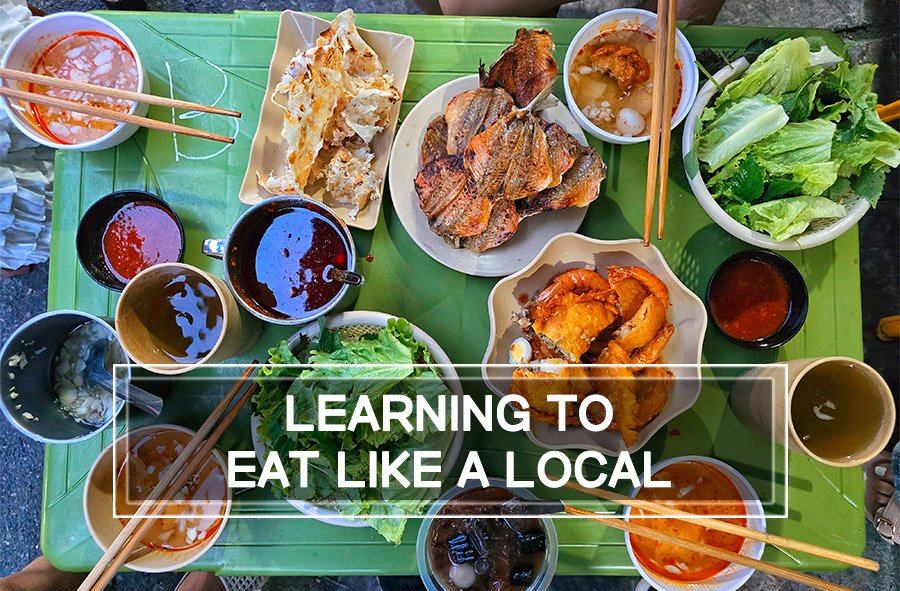
 Can you eat Vietnamese food? Even Mắm tôm??
Faces turn curious whenever I’m sitting at a restaurant table with some of my local friends. They all seem convinced there’s always one traditional dish a foreigner won’t eat.
I remember I wasn’t brave enough. Or maybe I simply wasn’t willing to step beyond what I already knew and try unfamiliar food.
When I started traveling, I’d always end up with a simple plate of chicken and rice, a bowl of pork noodles, or anything that looked familiar, avoiding whatever looked too spicy because I simply couldn’t handle it. The colours and smells coming from the other tables fascinated me, but my curiosity was drawn more to temples, architecture and neon lights than to discovering what those dishes actually tasted like.
Slowly, as I made local friends and they started introducing me to the dishes they loved most, I began to understand that food is a wide-open door into a country’s culture.
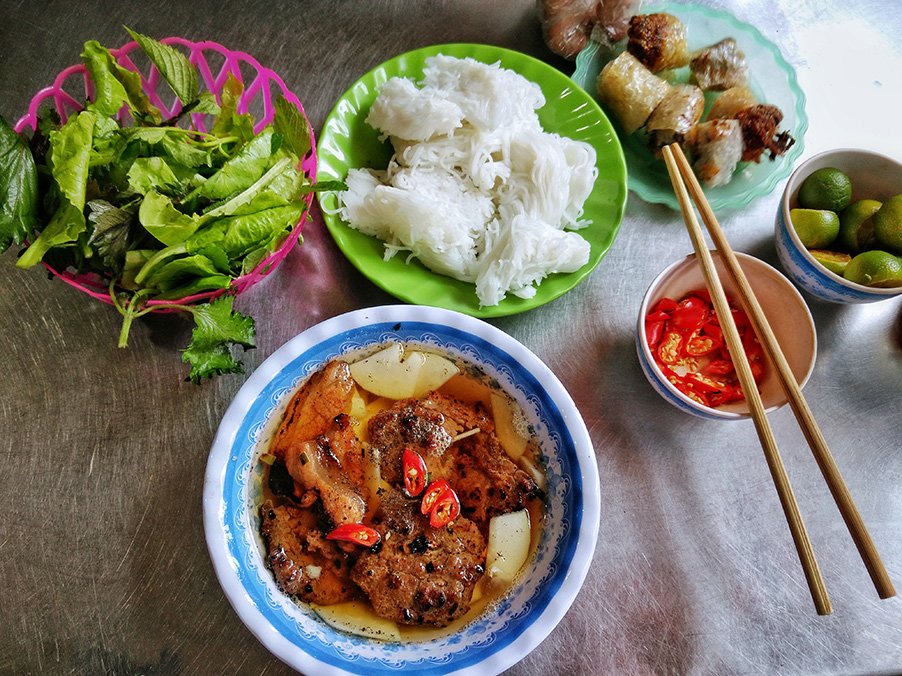
It didn’t happen overnight. Looking back, I think Malaysia and Thailand had a lot to do with it. Their irresistible bold flavours pulled me further in. But China was probably the place that changed my perspective the most, and for good.
I was at a family gathering in the Hangzhou countryside. The Lazy Susan kept spinning, bringing one dish after another in front of me.
Then one bowl caught my attention. I don’t know why, but I had the feeling it wasn’t something many people would willingly eat, which, of course, made me want to try it.
My friend quickly stopped me. “No, no… you don’t need to.”
I asked him what it was.
“Dog.”
For a moment, I felt like I was standing at a crossroads. I could easily refuse because of the culture I grew up in, or I could do what everyone else around the table was doing.
So I picked it up.
If they can eat it, why not?
That bite changed the way I looked at food. From then on, I became fascinated by what locals eat, but even more by what they choose to share with me.
From eating little more than steak, pasta and pizza, I slowly started exploring the less familiar parts of the animal: organs, intestines, skin, feet, even blood.
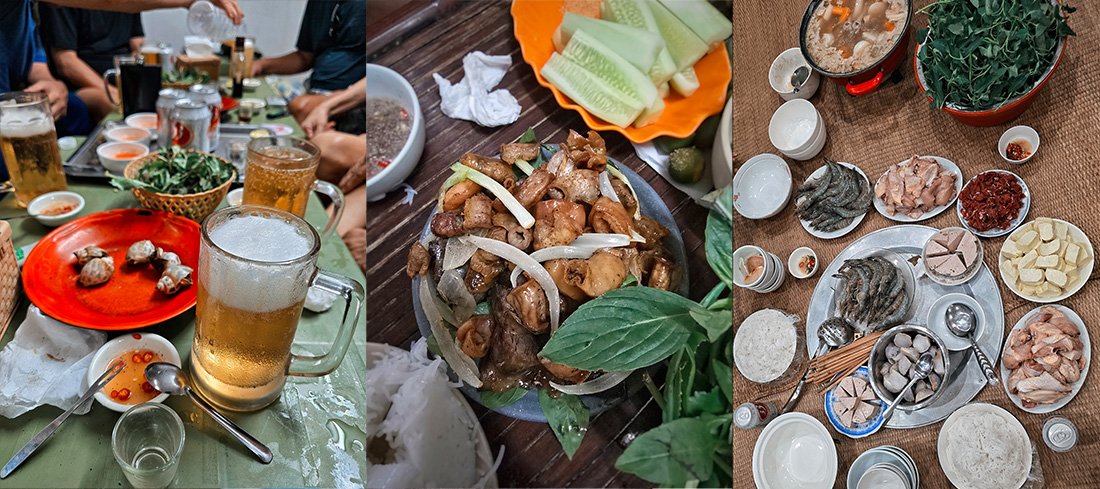
The biggest change wasn’t the meat. It was learning to appreciate the sauces, broths, condiments and herbs that gave them their character. Fermented shrimp paste, chili pastes, pungent seasonings, preserved bean curd, fish sauce, fermented soybeans… little by little, my palate changed. Those small bowls of fire and funk placed beside every meal became part of the experience.
I had already tried Sichuan málà in China (I still remember saying “bú yào là” or “no spicy please” a few times before finally giving up), along with Malaysia’s sambal belacan, Sri Lankan curries and the fiery dishes of Thailand’s Isan region. But Korea was probably where I really learned to appreciate spicy food. Gochugaru and gochujang bring so much character to Korean cuisine that I simply had to adapt because I didn’t want to miss those flavours. The first few meals left me with tears in my eyes and coughing after every bite, but after a while, the burn started to feel like it belonged.
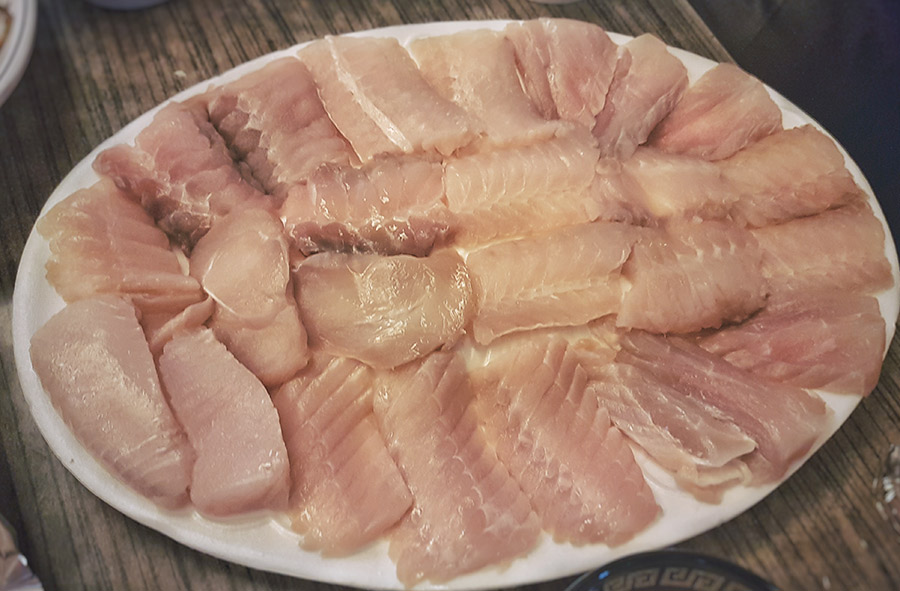
Still in Korea, there’s one dish that keeps defeating me: hongeo. Every bite fills my nose with the sharp smell of ammonia that I still struggle to appreciate. But my local friends keep telling me the same thing: “You’ll start liking it after the third try.” So… let’s see what happens next time.
Cooks and locals are often skeptical about what I can eat, but once they see me enjoying their national dishes, a satisfied smile appears on their faces.
And that’s when they bring out the next unusual dish on the menu.
“Let’s see if you can eat this.”