


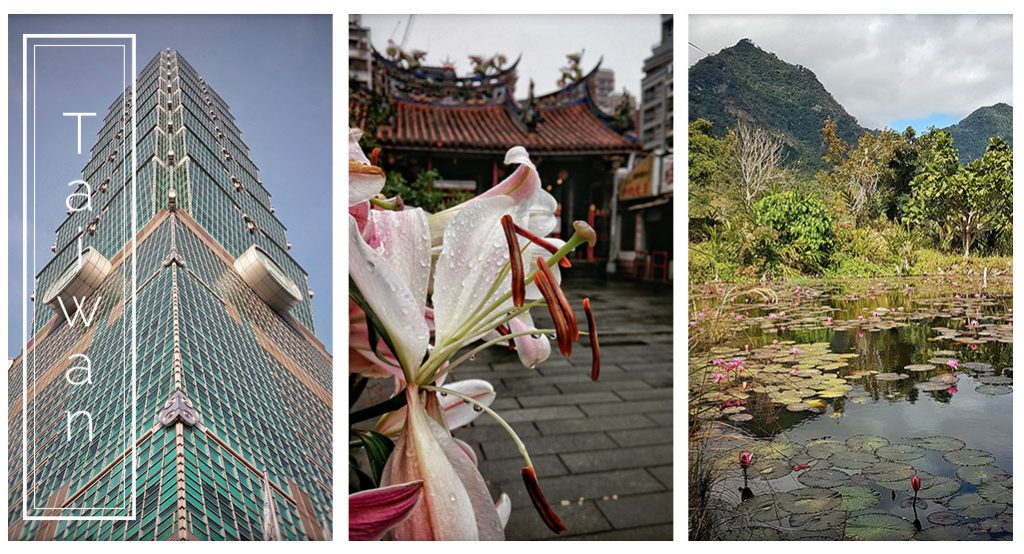
…through culture, history, food and everyday life, drawn from years of living, travelling, and experiencing this corner of Asia since 2010.
The call of Taiwan: beyond expectations
If a part of my heart remained in Asia, a significant slice belongs to Taiwan, an island I love to remember as a place of quiet intensity, still relatively far from the routes of mass tourism.
I remember the first time I arrived here, upon the suggestion of a friend I met in Malaysia who was originally from this island. She spoke to me about Taiwan with a discreet enthusiasm, inviting me to try it, to give it a chance. I thought I would only stay for two or three weeks, partly because the costs were higher compared to other parts of Asia, but I ended up using the entire three months of my visa. And since then I kept going back, and I still continue to feel the call of this island.
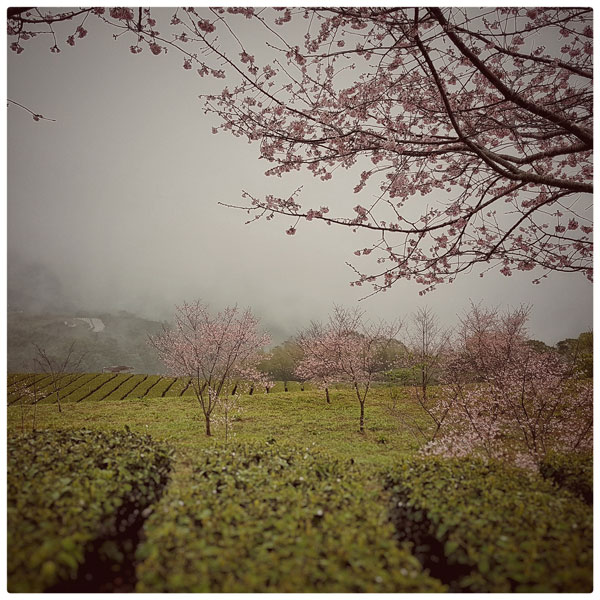
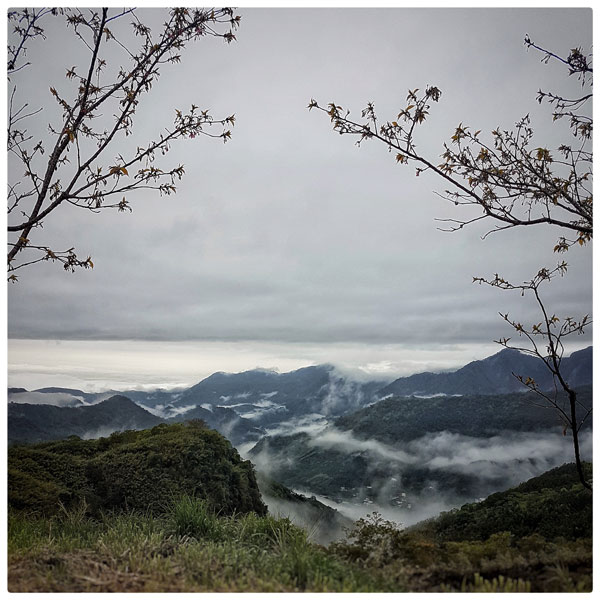
Despite being geographically small, Taiwan encompasses a surprising variety of landscapes. Here the land changes its face with an almost silent naturalness: high mountains that seem to brush the clouds, cliffs that drop straight into the ocean, tea plantations swaying slowly in the wind, hot springs hidden among the valleys, and modern cities pulsing with technology and urban life.
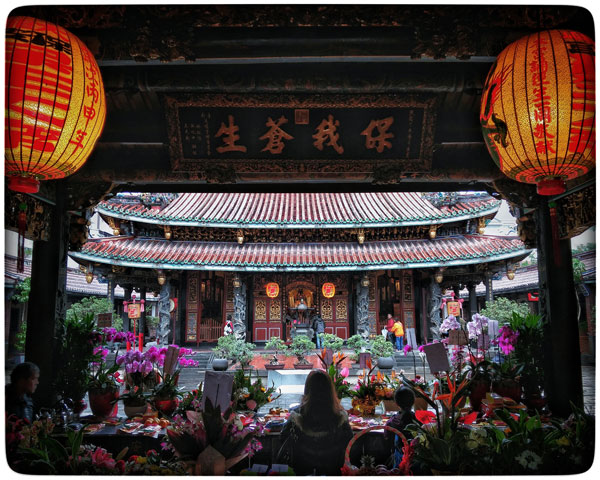
It is a territory where high technology coexists with incense-soaked temples and spiritual traditions that still rhythm the day of many people. Alongside the population of Chinese origin, there is also a minority of Taiwanese aboriginal communities, guardians of ancient cultures that tell another story of the island, deeper and less visible to the distracted gaze of the traveler.
Taiwanese culture stems from Chinese tradition, but over time it has developed its own identity, a delicate balance between historical heritage and contemporary freedom. Taiwan is an island that conveys a feeling of safety and welcoming, a place where getting lost becomes easy and at the same time reassuring.
Hitchhiking, rain, and coffee: experiencing the island
I remember one of the most beautiful experiences I ever had here: hitchhiking around the island. At that time, I met many people willing to help me. Often the journey turned into a shared lunch or a small detour to show me a place they considered special, as if they wanted to participate in my journey for a stretch of the road.
I lived for a period in the north, in Keelung, one of the rainiest areas I have ever encountered. The rain here has an almost constant presence, a veil of water that envelops the streets and the port with a gentle melancholy.
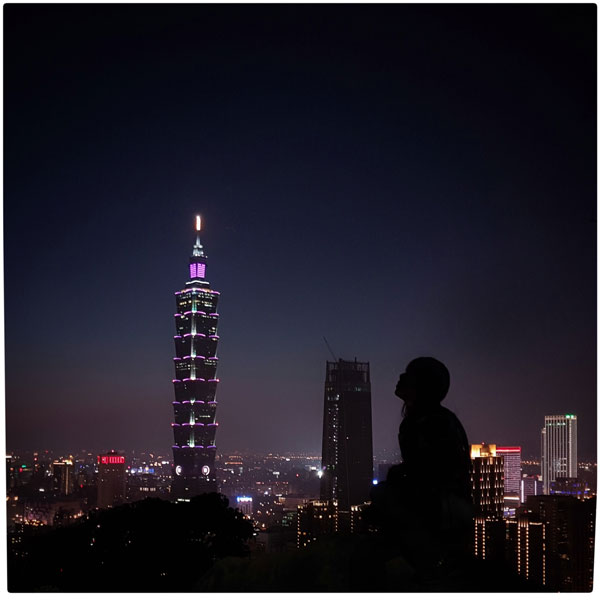
In Taipei, I usually spend my time working on my computer in the Louisa Coffee shops scattered around the city, places where the clinking of cups and low conversations become a daily soundtrack as I watch life flow by beyond the glass panes. Every now and then I look up from the keyboard and between the buildings the silhouette of Taipei 101 appears, like an old friend to greet every time I return to the city.
A see you later, never a goodbye
The last time I visited the island, living costs had become quite high and finding accommodation for short stays was complicated. After a few attempts, I temporarily gave up, leaving the island with a silent promise to return as soon as possible.
Taiwan is one of those places that doesn’t try to impress you at all costs, and perhaps that’s exactly why it ends up staying with you. An island that doesn’t overwhelm you, but accompanies you slowly, day after day, until you realize that its streets, its night markets, its mountains, and its light rains have become part of how you look at Asia. And when the time comes to leave, you already know that sooner or later you will find an excuse to return.
Curated experiences: what not to miss in Taiwan, according to me
Taipei, between clouds and traditions: Explore the modern capital, full of contrasts. Take a photo under the iconic Taipei 101 skyscraper or in front of the majestic Chiang Kai-shek Memorial Hall. For the perfect sunset, climb the nearby Elephant Mountain (Xiangshan): the view of the illuminated metropolis will reward your effort.
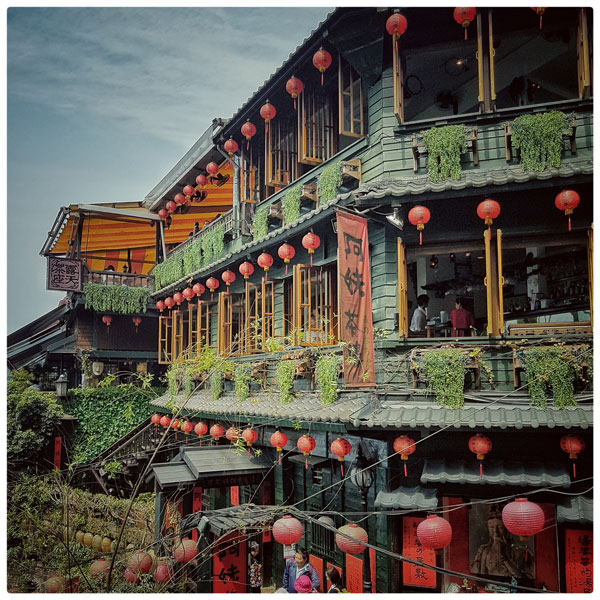
Getting lost in time in Dihua and Jiufen: In Taipei, stroll along the ancient Dihua Street among traditional pharmacies, temples, and shops (if you happen to be there during the Lunar New Year, the market is crazy). Then take a day to explore Jiufen, the charming mountain village famous for its red lanterns and teahouses, which looks like something straight out of a Miyazaki film.
On pedals and trails: Taiwan is incredibly green. Rent a YouBike (the iconic shared bicycles found everywhere) and explore the cities on two wheels. If you love walking, the surroundings of Taipei offer mountains, hot springs, and beautiful waterfalls, all easily accessible with a subway (MRT) ride.
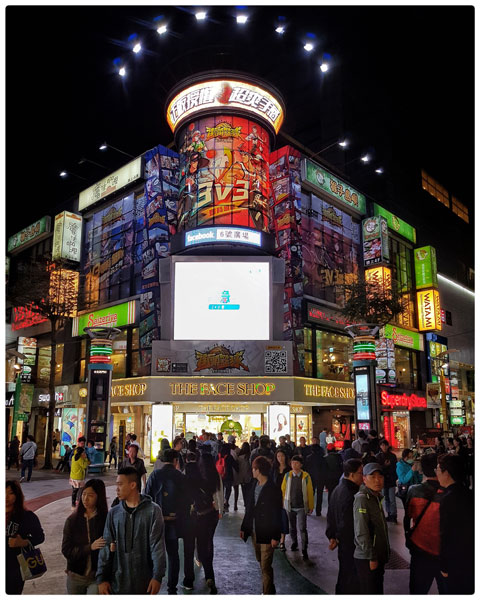
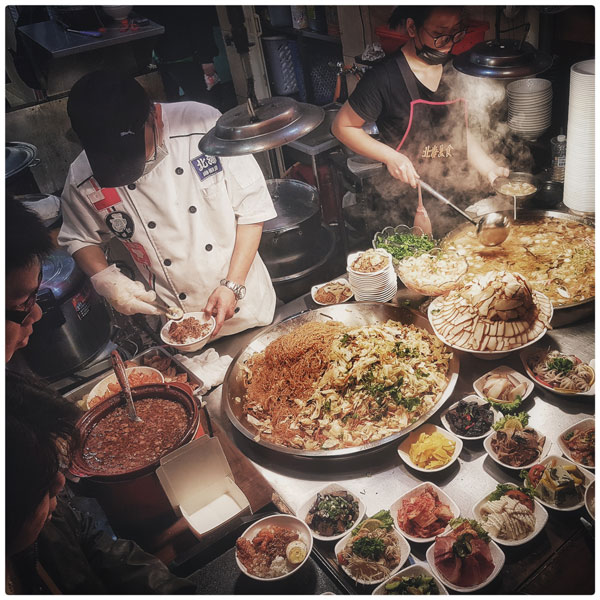
The flavors of the night: Dine in one of the many lively Night Markets scattered in every city. Taiwan is world-famous for its delicious street food. A challenge for bold palates? Hold your nose and try the famous stinky tofu: the taste is much better than the smell!
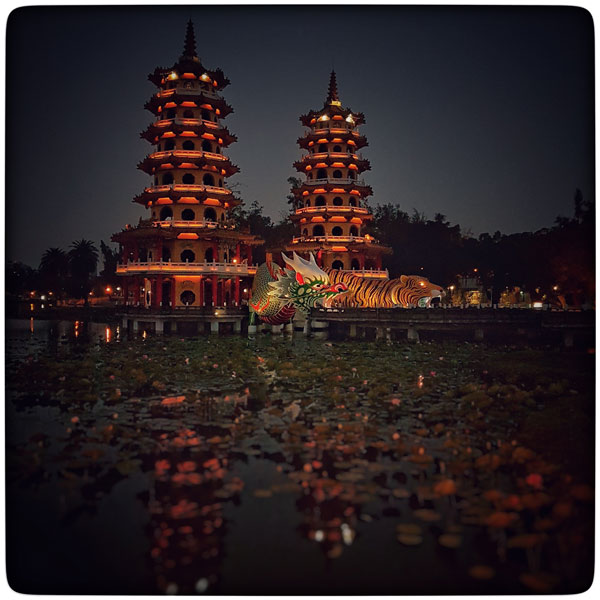
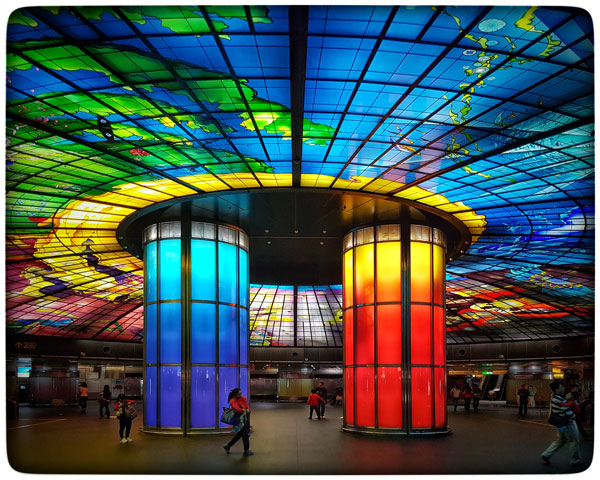
The charm of the South (Kaohsiung and Tainan): Head south. In Kaohsiung (the island’s second-largest city), stroll among the contemporary art of the Pier-2 Art Center, climb to the top of the picturesque Dragon and Tiger Pagodas, and go down into the Formosa Boulevard subway station to admire the Dome of Light, the largest stained glass artwork in the world, created by an Italian artist. Don’t miss Tainan, the oldest city on the island, to get lost in historic streets, find culinary delights unavailable elsewhere, and visit the serene Confucius Temple.
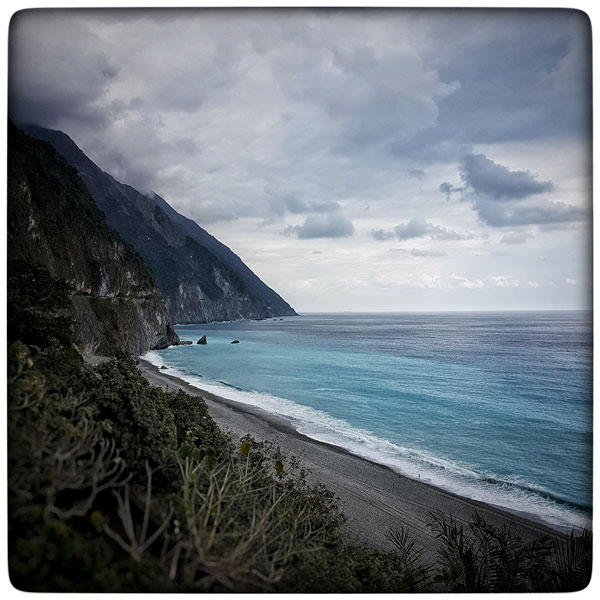
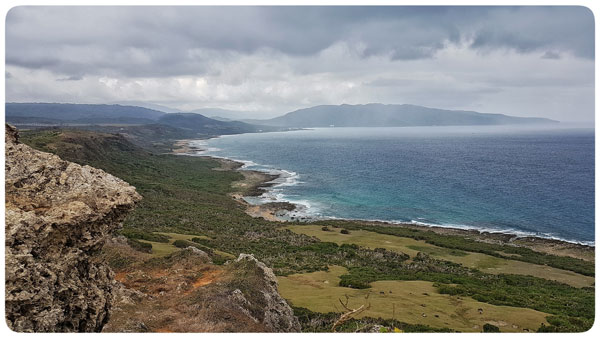
The wild East Coast: For surf and nature enthusiasts, the Pacific coast between Hualien, Dulan, and Taitung is paradise. Here the mountains literally plunge into the deep blue ocean.
Mountains and clouds: Push into the central mountains. Explore the Alishan National Scenic Area with its ancient trees and views over the sea of clouds, or venture into the dizzying marble canyons of Taroko National Park (N.B. Following the strong earthquake in 2024, always check the status of the various trails before going!).
Some info about Taiwan:
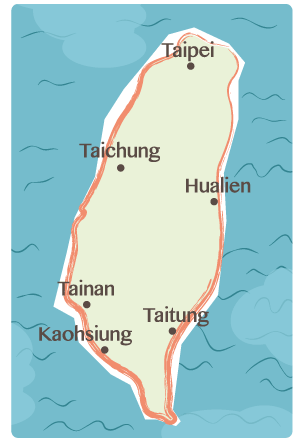
Although the island is self-governed China continues to proclaim that Taiwan is part of their republic, unfortunately only some nations recognize the island as independent.
Capital of Taiwan: Taipei
Population: 23,5 millions.
Official language: Chinese + some dialects.
Currency: New Taiwan Dollar.
Calling Code for Taiwan: +886
Tourist Visa: Great news for Italian citizens: you get a 90-day visa exemption upon arrival in the country, completely free of charge. Your passport must have at least 6 months of remaining validity.
Connectivity and Transport: Buying a tourist SIM card at the airport is incredibly easy, and data plans are often unlimited and extremely fast. Wi-Fi is ubiquitous. Transportation is sci-fi level: the Taipei Metro (MRT) is one of the best in the world, and the High-Speed Rail (HSR) allows you to travel from the north to the south of the island in a couple of hours.
N.B. Always check official sources before leaving for any last-minute updates!
Taiwan, when to go?
The island’s climate is subtropical in the north and tropical in the south, which means humidity is a constant travel companion. It can rain at any time (even for days on end), but there are ideal weather windows:
The best seasons (April-June and September-November): Spring and autumn are the perfect times. Temperatures are pleasant, the sky is often clear, and the landscapes are at their best.
Summer (June-September): Very hot, extremely humid, and muggy. It is also typhoon season, which can bring heavy rains and intense winds, halting transportation for a day or two.
Winter (December-March): In the south, temperatures remain pleasant and mild, while in the north (including Taipei), the weather becomes cool, gray, and often drizzly.
Taiwan: Visual Archive
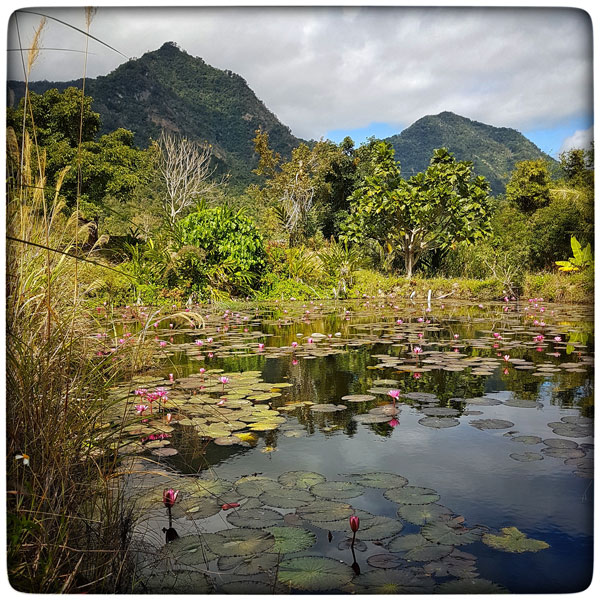
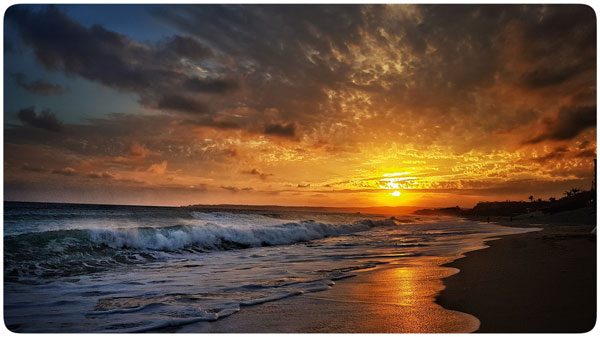
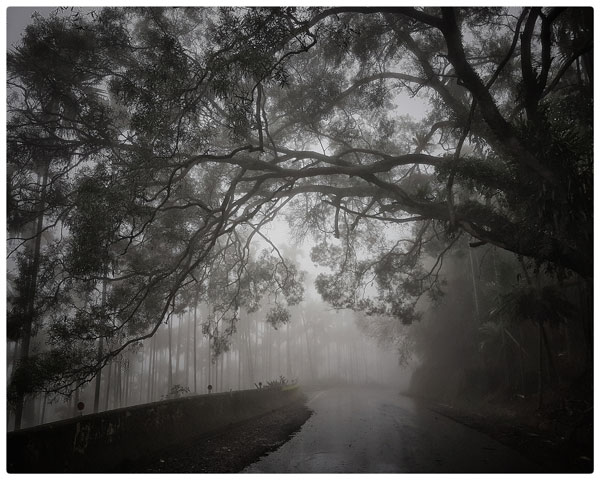
These images are a small selection from a larger archive built over years of documenting Taiwan through its landscapes, communities, food culture and the details that rarely make it into guidebooks.
If your project requires imagery or destination knowledge from a specific region, subject or visual perspective, I’d be happy to discuss how I can help.
Available for travel brands
These stories, photographs and field notes are part of a wider archive built through years of living in and experiencing Asia.
I work with travel brands, tour operators, DMCs and creative teams to develop destination narratives, research and content that go beyond standard itineraries.