


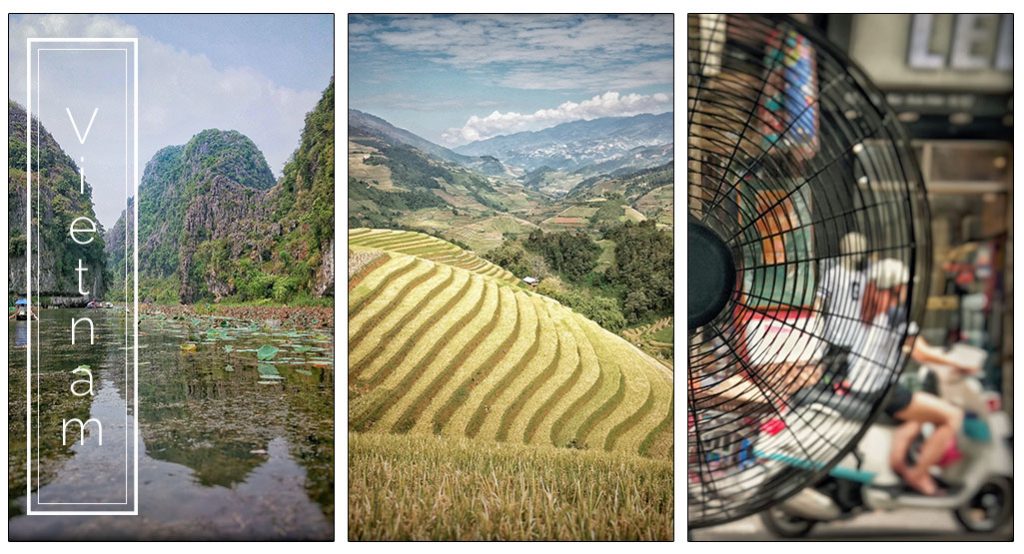
…through culture, history, food and everyday life, drawn from years of living, travelling, and experiencing this corner of Asia since 2010.
The Dragon’s Energy: a living current
Vietnam possesses an energy that strikes you immediately, as soon as the airport doors open and the humid air of Asia envelops you. It is a living current that runs through the country from North to South, a continuous flow of cultures, landscapes, and flavors that change kilometer after kilometer, ultimately surprising even those who think they are prepared.
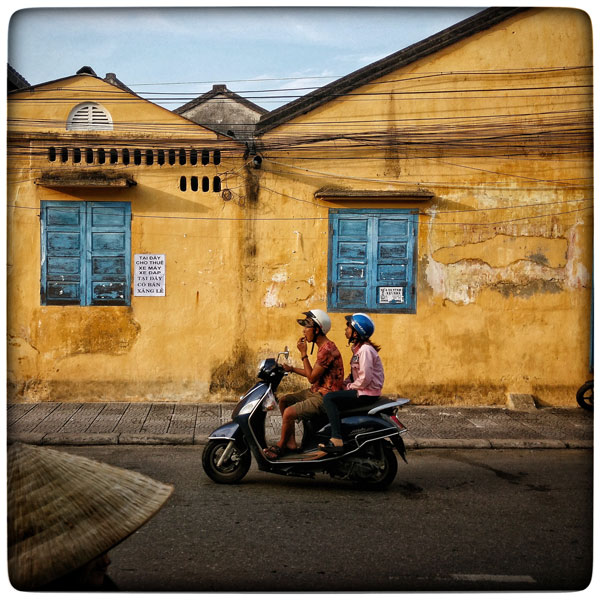
It is a land of obvious and often bewildering contrasts. Overwhelming cities and villages that seem suspended in time. Streets pulsing with scooters and markets where life flows with an ancient calm. Saigon runs fast, projected towards the future with its metropolitan energy, while Hanoi retains a more traditional soul, made of alleys, workshops, and daily gestures that seem to repeat themselves for generations.
Vietnam is one of those countries where I have stayed the longest, long enough to understand that each region tells a different story. The North has a rough, mountainous character, deeply tied to the earth. The Center lives suspended between the sea and tropical storms. The South, instead, opens up in the great breath of the Mekong Delta, where life follows the slow rhythm of the water.
Spectacular landscapes: mountains, rice paddies, and typhoons
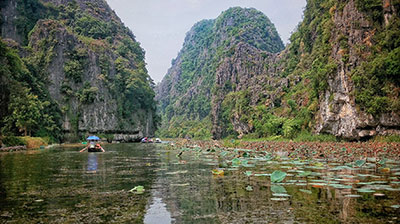
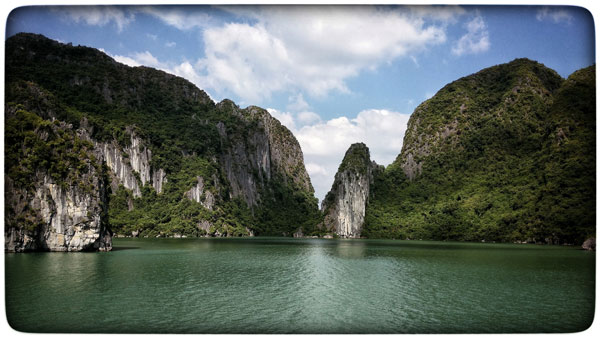
And then there are the landscapes, among the most extraordinary in all of Southeast Asia. In the North, limestone mountains emerge from the earth and the sea in almost surreal shapes. You encounter them in the valleys of Ha Giang, where the road climbs among remote villages, or in Halong Bay, where hundreds of stone panettones surface from the water like an ancient mythological landscape.
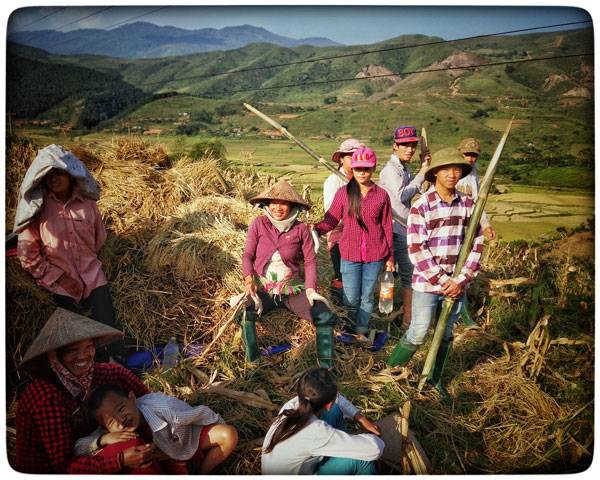
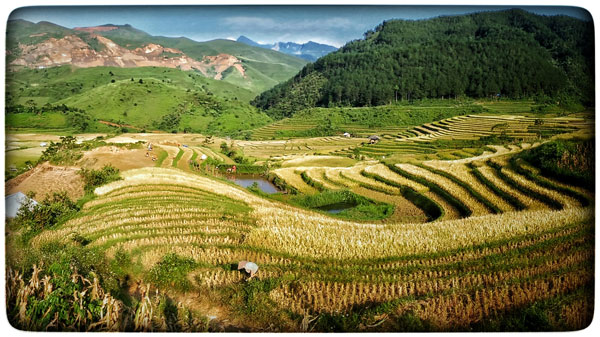
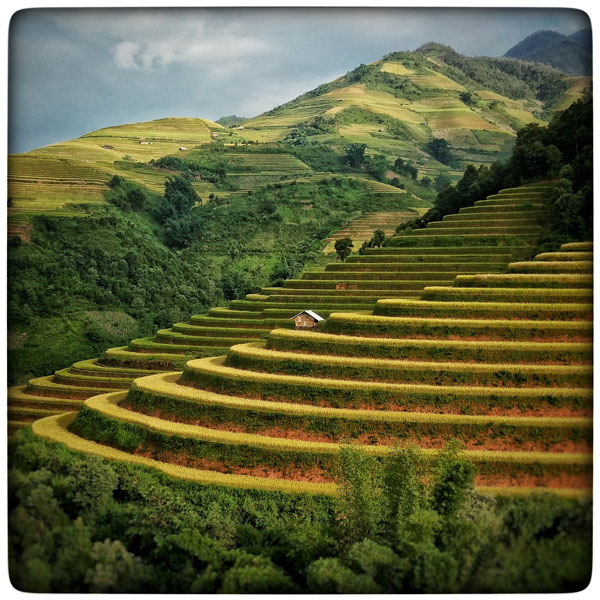
The terraced rice paddies tell another story. In Sapa, they attract travelers from all over the world, but the ones I remember most fondly are those of Mu Cang Chai. It was harvest time, probably October. The hills shone with an intense yellow, and I rode through them on a small scooter with a friend sitting behind me, gliding slowly between wooden villages, curious children, and dishes I had never tasted before.
Vietnam can also be harsh. I remember a trip towards Da Nang and the central coast during typhoon season. Incessant rain, water everywhere, roads turned into rivers. I had never seen so much rain fall for so many days in a row. Yet, even in that liquid chaos, life continued to flow with surprising determination.
From the Mekong to the coastal cities: the changing Vietnam
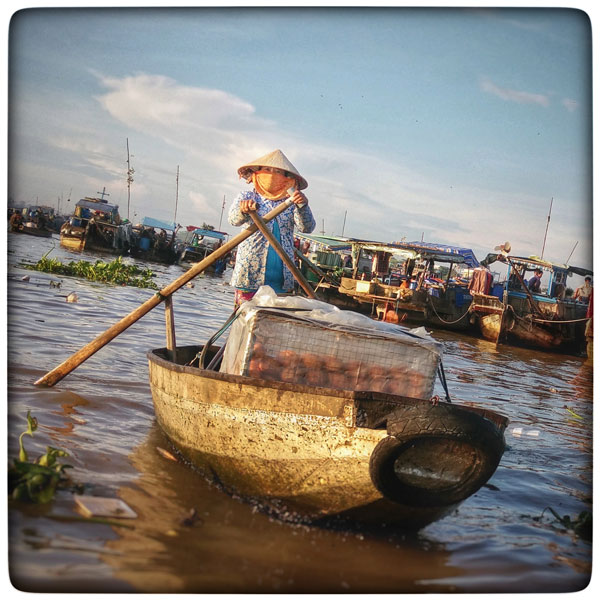
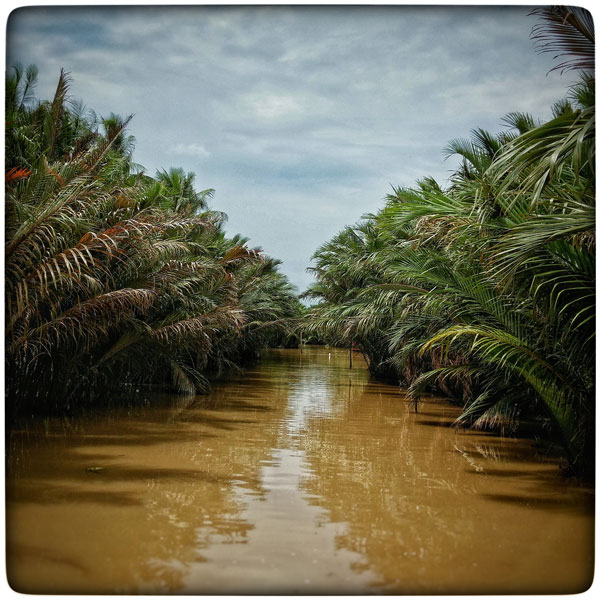
Then come the coastal cities, the light of the sea, and finally the great labyrinth of the Mekong Delta, where villages overlook the canals and for years the floating markets have been the commercial heart of the region. Today, many of those markets have changed; some have become tourist attractions, but if you step a bit off the beaten path, you can still catch a glimpse of the authentic life that made them famous.
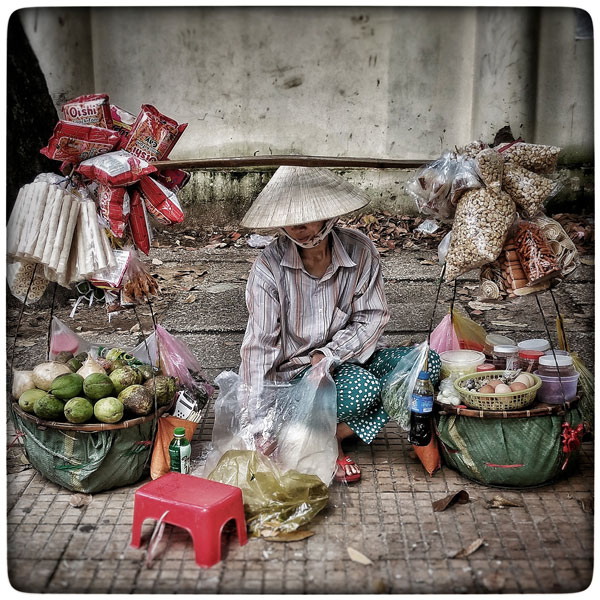
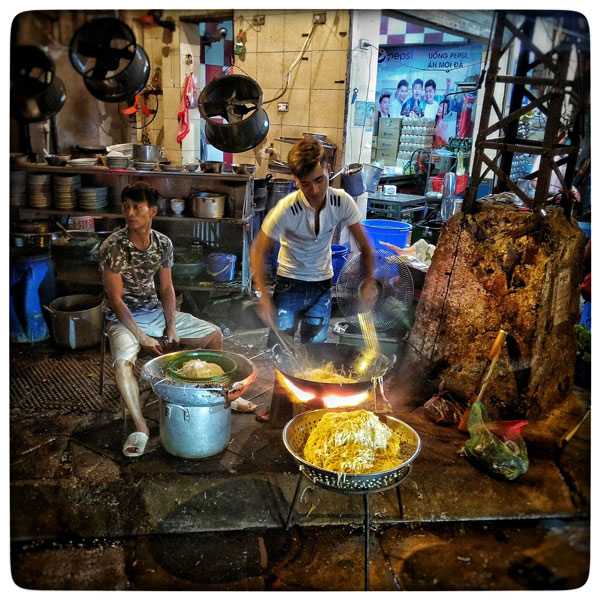
And everywhere, among the rice paddies and rivers, among the cities and villages, the same small details that define the country always return: the conical straw hats, the roadside vendors, the constant noise of scooters, the smell of broth slowly simmering in street kitchens.
Vietnam is one of those places that, after a while, you realize is changing the way you look at things. And when you leave, a part of that energy continues to move within you, waiting to return as soon as possible
Curated experiences: what not to miss in Vietnam, according to me
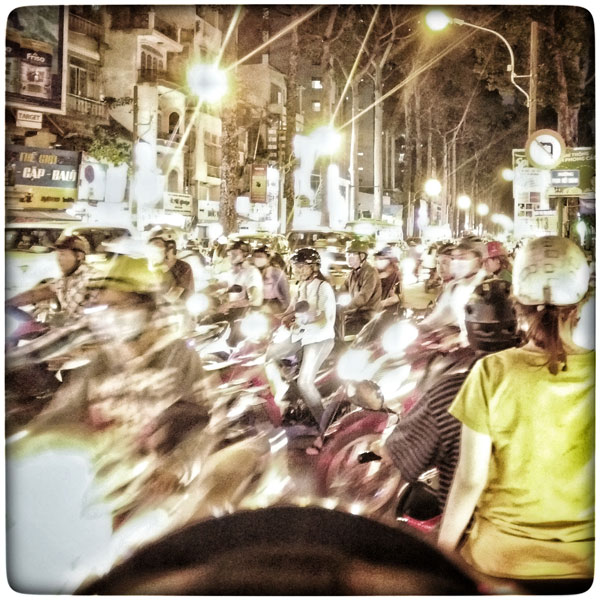
The philosophy of the sidewalk: Sit on a tiny plastic stool at a street cafe. Order a thick Vietnamese coffee (perhaps with condensed milk, salt, or egg) and just watch the show: an explosion of vitality and an uninterrupted, frantic river of scooters moving as a single organism.
Green geometries: Visit the northern countryside and the wonderful terraced rice paddies of Sapa or Mu Cang Chai. If you can, plan your trip during the rice harvest, when the hills are dyed in blinding gold.
On the water: Take a couple of days’ cruise in Halong Bay, navigating through a surreal landscape of thousands of limestone pinnacles emerging from the sea, or explore by boat the intricate labyrinth of floating markets in the Mekong Delta.
The “two capitals”: Hanoi is the true capital, fascinating and elegant: explore the Old Quarter and the large Tay Ho lake, and don’t miss the picturesque Truc Bach lake! Saigon (Ho Chi Minh City) is not the political capital but it is certainly the economic one: much more modern and with a more frantic pace. Take a stroll in Bui Vien for a beer in the evening and get lost in its beautiful Chinatown (Cholon), or enjoy an evening walk along the river.
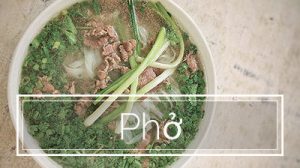
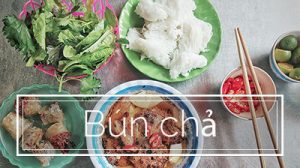
The taste of the street: Vietnamese cuisine is extraordinary: delicate, fresh flavors, incredibly rich in herbs. Taste the famous Pho or Bún chả on the street. And if you are adventurous, culinary “oddities” are not lacking… some really push the extremes! To quench your thirst, dive into Hanoi’s old quarter in the evening for a Bia hơi, the very light and incredibly cheap local draft beer, strictly drunk on the street.
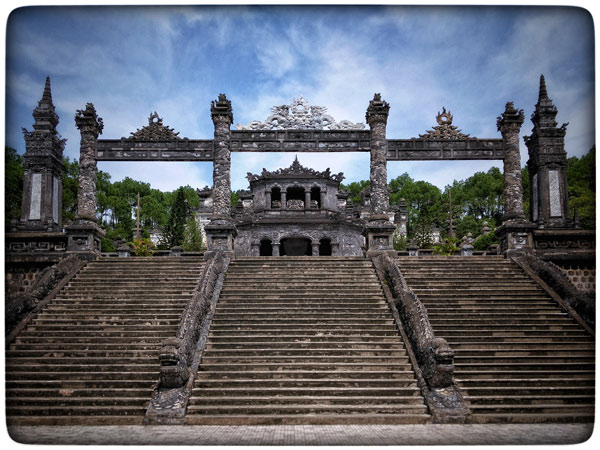
History and scars: Explore the ancient charm of historical cities like Hue (perhaps renting a motorcycle driver to tour the imperial tombs) and the magic of Hoi An’s lanterns. But above all, don’t miss the War Remnants Museum in Ho Chi Minh City: it’s a real punch to the gut, raw and painful, but essential to understanding the wounded and proud soul of this people.
The coast: Da Nang is becoming an increasingly important and modern destination. There are obviously other famous places like Mui Ne or Nha Trang with their beautiful beaches, not forgetting the tropical escape on the island of Phu Quoc, in the south.
Madness on two wheels: If you are an experienced (and brave!) rider, rent a scooter and throw yourself into the metropolis traffic. It will be an adrenaline-fueled experience you will never forget. Otherwise, simply get lost on foot in the alleys of Hanoi or Ho Chi Minh; your phone’s GPS will always get you back home.
Encounters: Stop and chat with Vietnamese students in the parks (they often approach you near Hoan Kiem lake in Hanoi). They just want to practice a bit of English, and it’s the best way to exchange two genuine smiles.
Some info about Vietnam:
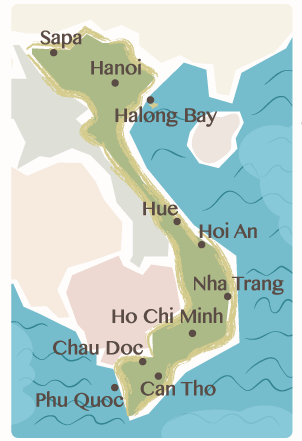
Capital of Vietnam: Hanoi
Population: 100 milions
Official language: Vietnamita
Currency: Dong (VND)
Calling Code for Vietnam: +84
Tourist Visa – 2026 ESSENTIAL UPDATE: The rules have changed drastically for the better! Today, Italian citizens enjoy a 45-day visa exemption upon arrival in the country (completely free). If you plan to stay longer, you can apply for an official online e-Visa that will cover you for up to 90 days (multiple entries). Your passport must have at least 6 months of validity.
Connectivity and Transport: Buying a local SIM card is extremely easy and essential (Viettel and Mobifone are among the best operators). Wi-Fi is literally everywhere: from hotels to small cafes, even on some long-distance buses.
N.B. Always check official channels before leaving for any last-minute updates on customs regulations!
I wrote an article with more details about the destinations and what to visit during a trip to Vietnam: Vietnam: what to see!
Vietnam, when to go?
You can visit Vietnam all year round, but being very long it has a highly variable climate: when it rains in one part, the sun shines in another. In general, the best seasons to travel across the whole country are autumn (September-November) and spring (February-April).
The North (Hanoi/Sapa): Cold winter (it can snow in Sapa!) and very hot, rainy summer.
The Center (Hue/Hoi An/Da Nang): Be careful between October and November, a period when heavy rains and typhoons are concentrated.
The South (Saigon/Mekong): Hot all year round, divided between the dry season (December-April) and the wet season (May-November).
Vietnam, what to eat?
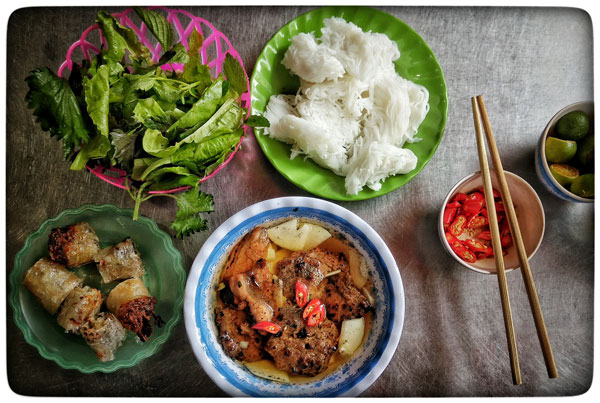
Extraordinary cuisine with delicate flavors, rich in vegetables and herbs. From north to south of the country, foods will enchant you with their unique and natural tastes.
Vietnam: Visual Archive
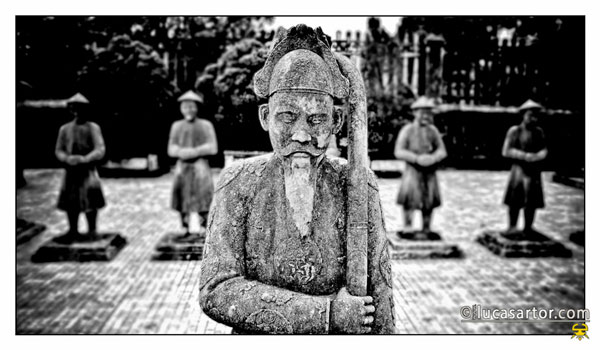
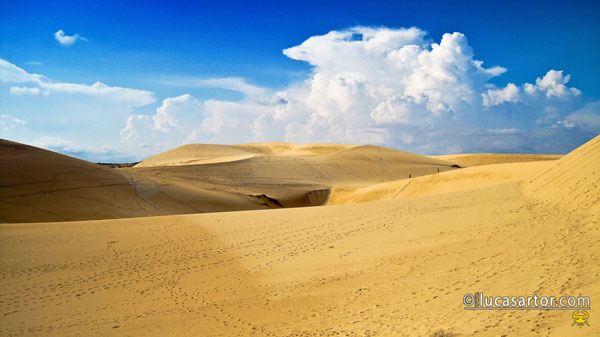
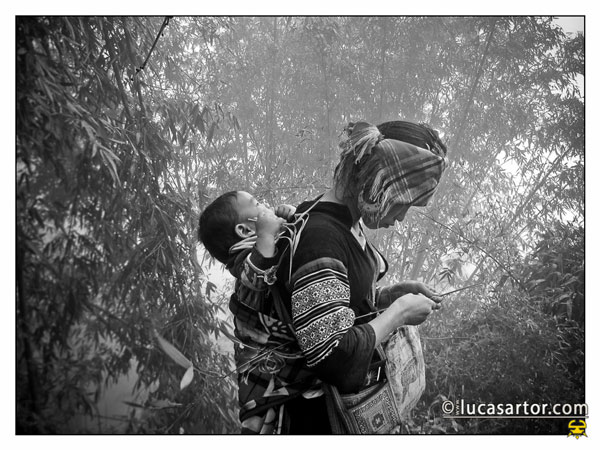
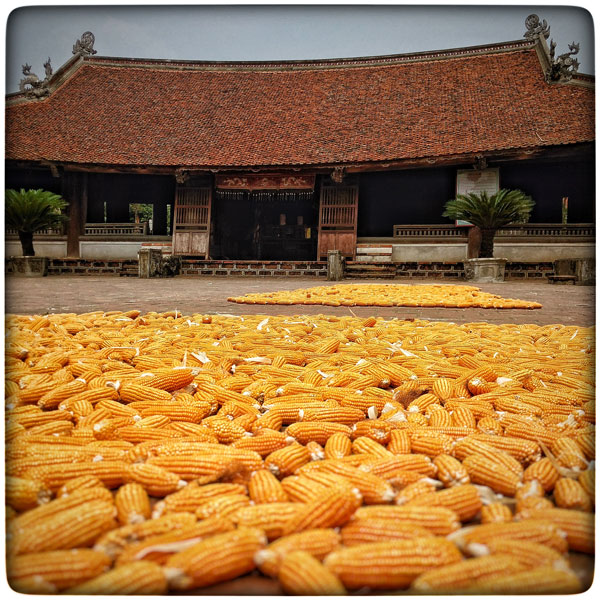
These images are a small selection from a larger archive built over years of documenting Vietnam through its landscapes, communities, food culture and the details that rarely make it into guidebooks.
If your project requires imagery or destination knowledge from a specific region, subject or visual perspective, I’d be happy to discuss how I can help.
Available for travel brands
These stories, photographs and field notes are part of a wider archive built through years of living in and experiencing Asia.
I work with travel brands, tour operators, DMCs and creative teams to develop destination narratives, research and content that go beyond standard itineraries.