Beyond the Chaos: Like Fingers in a Power Socket
How do you summarise an immense country like India in a few lines? The only word that comes to mind is: adventure, with everything that entails. It’s not the easiest place to visit, but it’s not impossible either: it just requires an endless supply of patience.
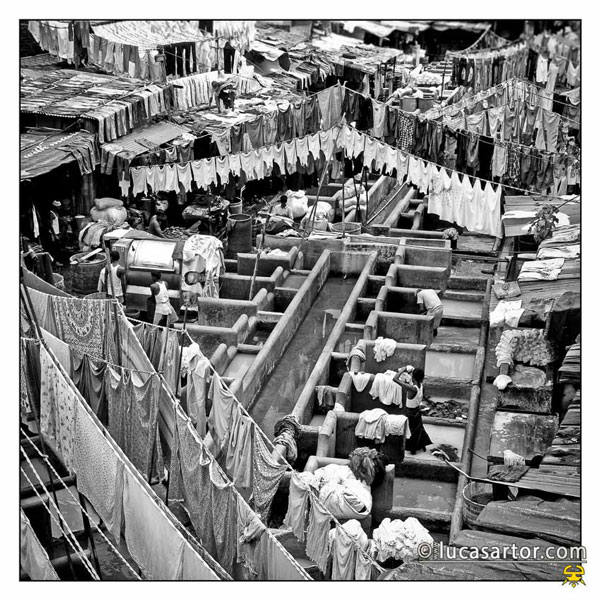
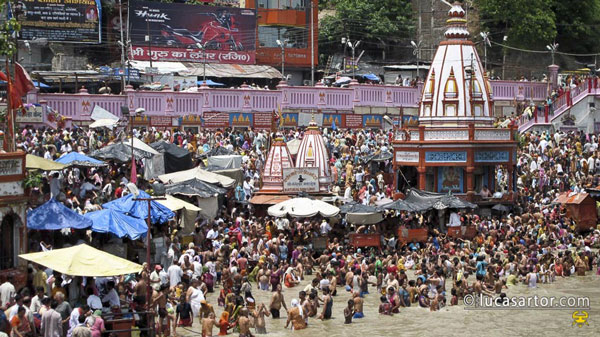
The first impact was literally like sticking two fingers into a power socket. I felt completely overwhelmed, swept away by a sensory overload: deafening sounds and noises, intense colours, overpowering smells, and an endless tide of people.
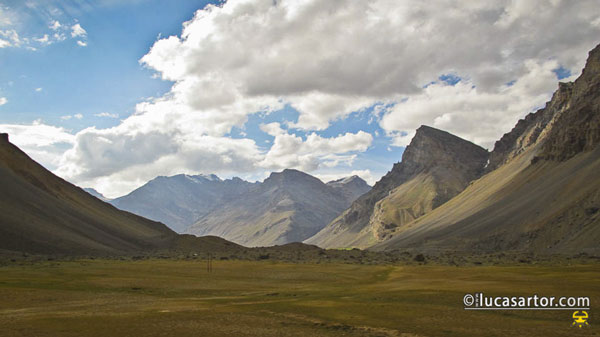
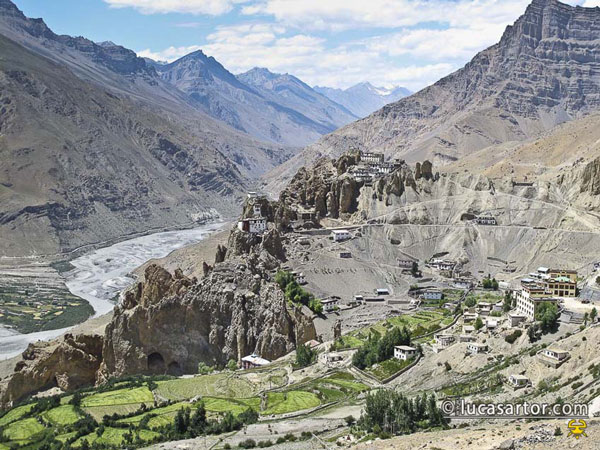
I have travelled here a couple of times, always focusing on the North (from Mumbai upwards, leaving the South for a future chapter). The first time was a pure, raw cultural immersion; the second was a calling upwards, pushing me into the Himalayan mountains of Ladakh and the surreal landscapes of the fantastic Spiti Valley.
From these Indian months, I carry memories burned into my mind. I remember endless journeys in rock-hard train berths and battered buses—some without air conditioning, just a half-working fan—bouncing along improbable dirt roads, literally teetering on the edge of dizzying ravines. I remember the extreme contrast between the suffocating chaos of Delhi and the absolute, rarefied peace of Leh or Kaza. And then the food: undoubtedly some of the best and most intense I have ever tasted in the world.
Glances, Smiles, and Travel Lessons
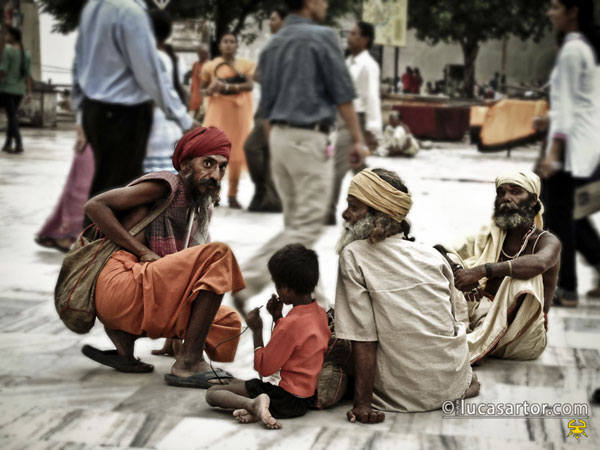
But India, more than anything else, is its people. Always around you, always infinitely curious. I remember once, waiting on a train platform: I had sat down cross-legged on the floor to write my notes in a notebook. At a certain point, I felt I was being watched. I looked up and found myself surrounded by a group of at least ten people, standing there in silence, captivated and curious about what I was doing. We looked at each other, and a beautiful collective smile broke out.
It was precisely by travelling on those trains and talking to people that I had a major epiphany: India isn’t just mysticism and spirituality. That is just the wrapper. The truth is that life here is faced and lived in an extremely practical, daily, and sometimes raw manner, exactly like anywhere else in the world. I saw a lot of beauty, but also a lot of hardship, and I chose to welcome and hold onto the best of what this country gave me.
Finally, the Ganges. And the impossible adventure to reach its source at Gangotri. After exhausting days of piecing together buses and trains, a landslide blocked the road, cutting the journey short. In that moment, I was overwhelmed by despair. But looking at that dead end, India made me understand the very essence of travelling: it was the experiences gained during those days that truly mattered, not the destination.
Let yourself be bewitched by the sounds, the scents, the colours, and the chaos. They will transport you to another dimension at 220 volts!
Curated experiences: what not to miss in India, according to me.
- For now from Mumbai to the North -
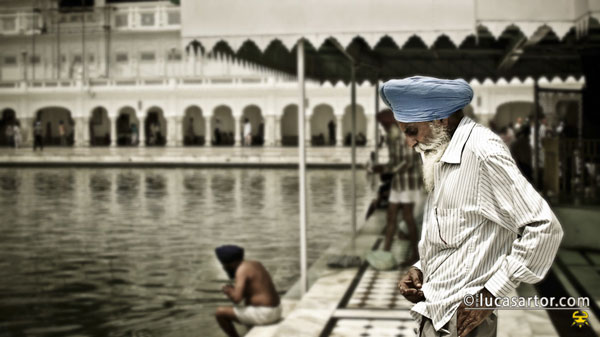
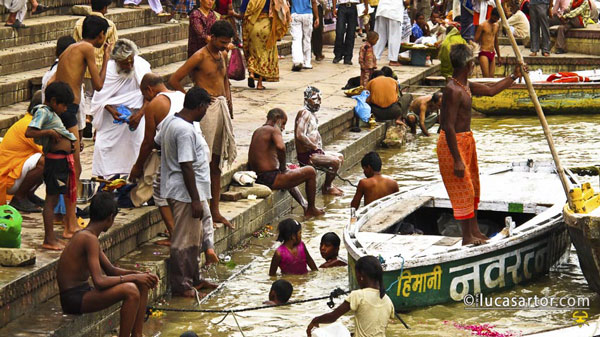
The Call of the Sacred: Spirituality here is tangible. Witness a puja, the fire ceremony held at dawn and dusk on the banks of the Ganges in Rishikesh or Varanasi, the surreal city where Hindus come to break free from the cycle of reincarnation. If you have the energy, push on to Gangotri to see the source of the sacred river, or immerse yourself in the serenity of a teaching by the Dalai Lama in McLeod Ganj. In the northwest, in Amritsar, the mysticism of the Sikh Golden Temple awaits you.
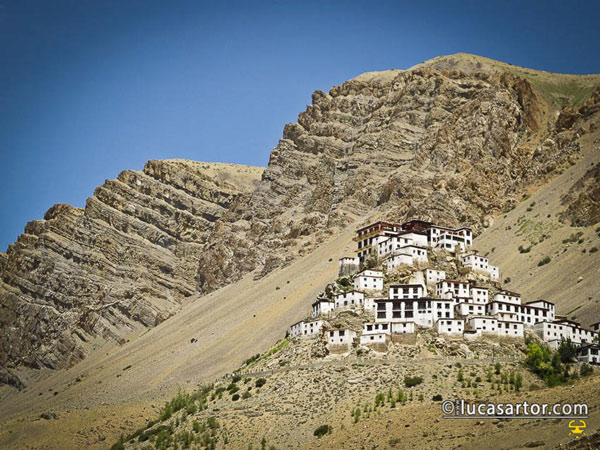
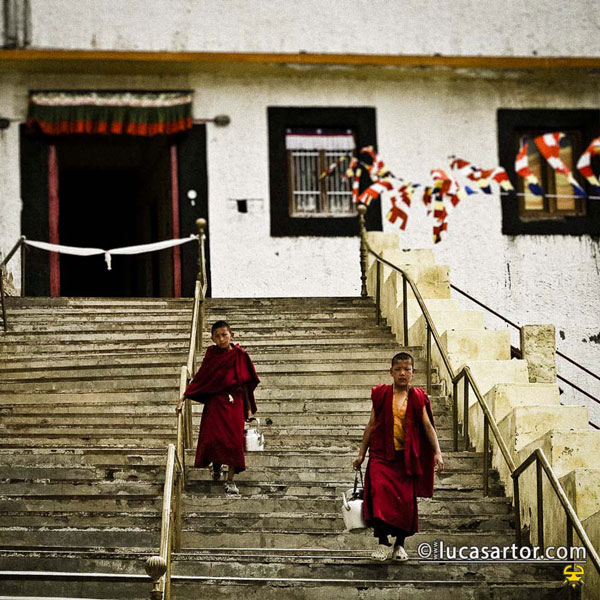
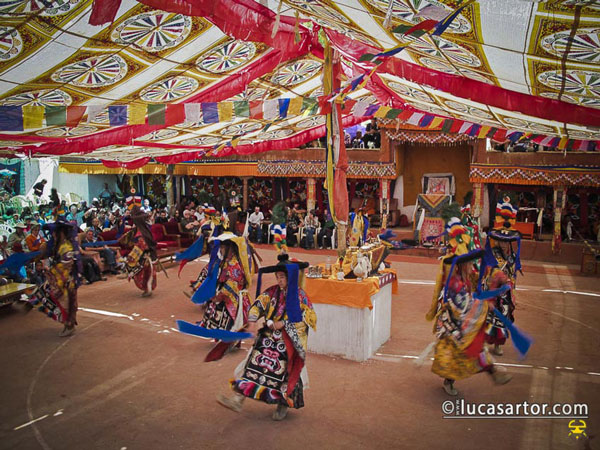
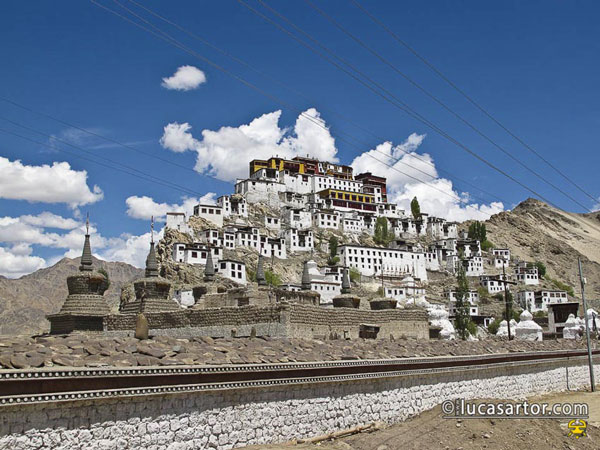
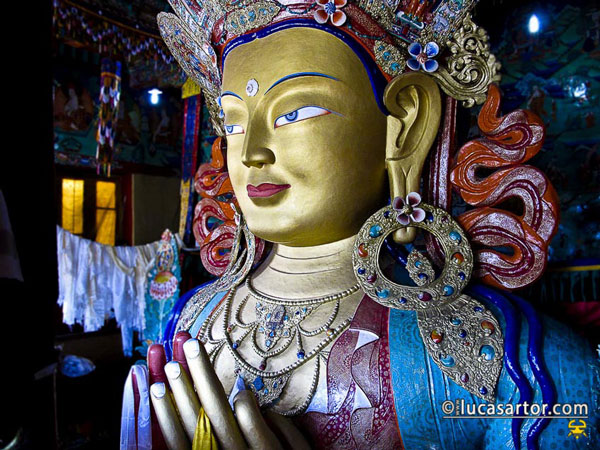
The Peaks of Silence: Leave the humid heat of the plains behind and venture on a trek through the lunar landscapes of the Spiti Valley or Ladakh (exploring the region from Leh). Among stunning Tibetan Buddhist gompas and the Himalayan peaks, you will feel like you have stepped into a parallel world.
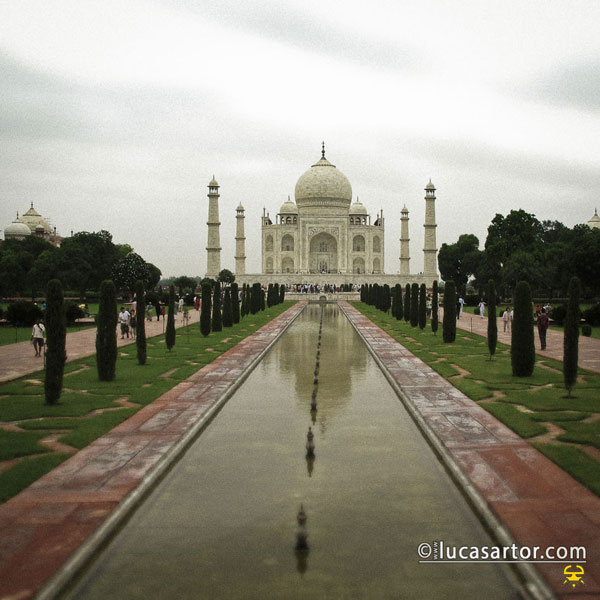
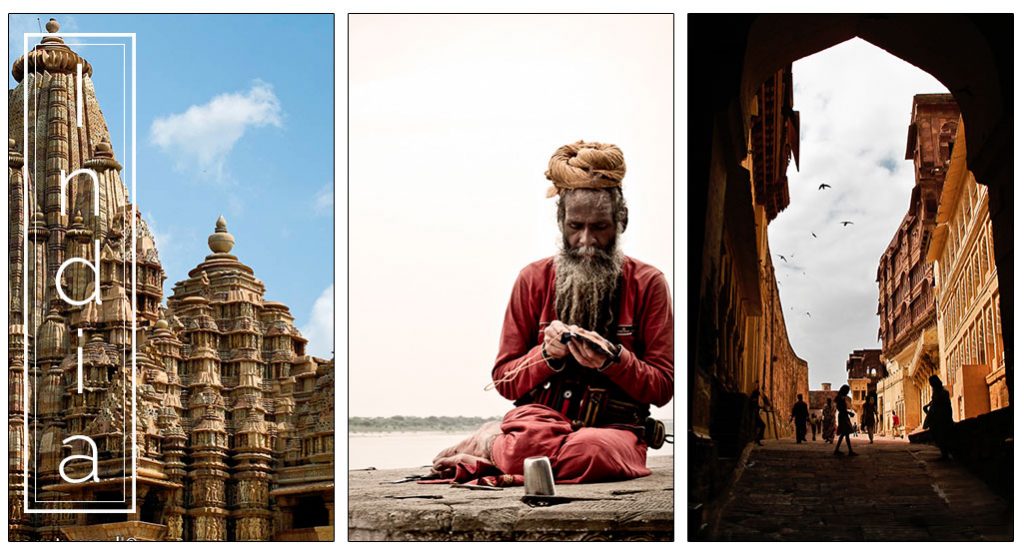
Wonders of Stone: A sunrise (or sunset) facing the Taj Mahal in Agra is an absolute must; it is incredible how a building can convey such profound emotions. To feel a bit like Indiana Jones, explore the ancient caves of Ajanta, the statues on Elephanta Island in Mumbai, or the spectacular and sensual temples of Khajuraho.
The Cities: From Delhi to Chandigarh: Metropolises like Delhi (an explosion of 30 million inhabitants) or Mumbai (the capital of Bollywood) will completely overwhelm you. If you need a clean break, visit Chandigarh: designed by Le Corbusier, it will (almost) feel like you aren’t in India anymore.
Total Immersion: India must be experienced firsthand, right under your skin. Take the time to haggle in a chaotic bazaar (without giving in, but without being too greedy), let yourself be bounced around on a battered local bus, or dart through the traffic on a rickshaw.
My Advice: Take a break from mysticism and dive into pop culture! Go to Jaipur, the Pink City of Rajasthan, and buy a ticket for the Raj Mandir, one of the most famous cinemas in the country. Watching a Bollywood movie amidst the cheering of the local crowd is a unique and unforgettable experience. And of course, taste all the street food you possibly can!
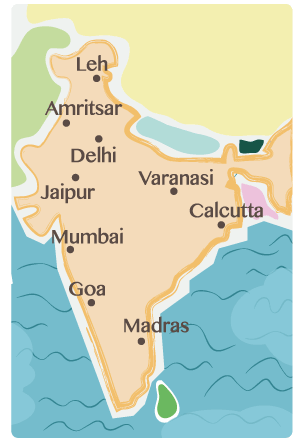
Some info about India:
Capital of India: New Delhi
Population: more than 1 billion (and 400 million) !!!
Official language: Hindi and English + other 21 languages…
Currency: Indian rupee
Calling Code for India: +91
Visa: Bureaucracy has improved tremendously. The e-Visa is now the standard for tourism: you apply for it entirely online before your departure, pay on the official government website, and receive it via email. It will save you time and headaches compared to the old lines at the consulates. Print it out and carry it with you.
Connectivity and Transport: Buying a local SIM card at the airport or in the city is very doable (you will need your passport, a copy of your visa, and a passport-sized photo). The best providers today are Airtel and Jio. Wi-Fi is widespread in hotels, but having mobile data will save your life when it comes to navigating and booking transport.
N.B. Always check official government websites before leaving, as the requirements for the e-Visa and the documents needed for SIM cards can change!
India, when to go?
India is immense, and the best time to book a flight depends entirely on the area you intend to explore.
The Ideal Season (The North and Rajasthan): Generally, the months from October to March offer a dry climate and bearable temperatures, making them perfect for visiting the cities, Rajasthan, and heading further south.
The Himalayan Exception: If your goal is high-altitude trekking (Ladakh, Leh, Spiti Valley), the rules are flipped. Winter there is prohibitive, and roads are closed due to snow. The best months for the mountains are from June to September.
Beware of the Indian Summer: Between April and June, before the monsoon arrives, the heat in the central plains and Delhi becomes literally infernal and takes your breath away.