


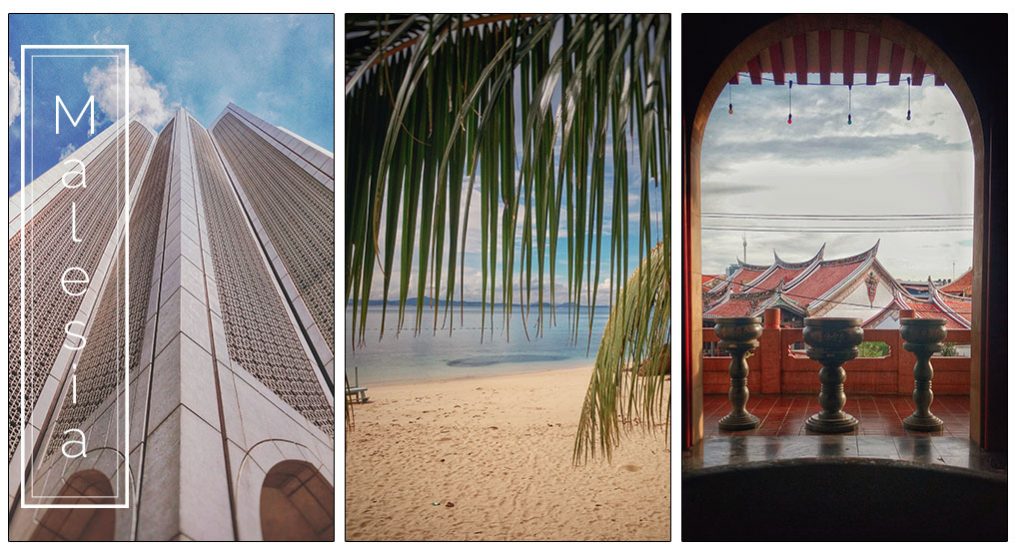
…through culture, history, food and everyday life, drawn from years of living, travelling, and experiencing this corner of Asia since 2010.
Beyond the border: Malaysia’s natural spirit of welcome
There are many reasons why I have spent so much time in Malaysia during the many years I have lived across Asia. It is a country that welcomes visitors with a friendly, smiling naturalness, without any sense of rigidity in the encounter with those arriving from afar.
Starting with the most practical aspects, the free tourist visa granted to many visitors for around ninety days becomes almost an invitation to stay longer and listen to the rhythm of the place. Everyday communication is equally straightforward: English is widely spoken with great ease, making movement between cities and interactions with people a light experience, free from unnecessary barriers and from that sense of estrangement that sometimes accompanies the first steps in a new country. The infrastructure is modern and reliable, especially on the peninsula. Added to this is an affordable cost of living, particularly for street food.
A mosaic of contrasts: between the soul of Borneo and the dynamism of the peninsula
Divided between the wild spirit of Borneo and the dynamism of the peninsula, Malaysia is a land of contrasts, from the skyscrapers of Kuala Lumpur to ancient rainforests, passing through the scent of spices that bridges India and China. Over all these years, it has remained one of my fixed destinations, not only for its convenient modernity but for that cultural richness which leaves a lasting imprint on anyone who truly travels through and experiences these places.
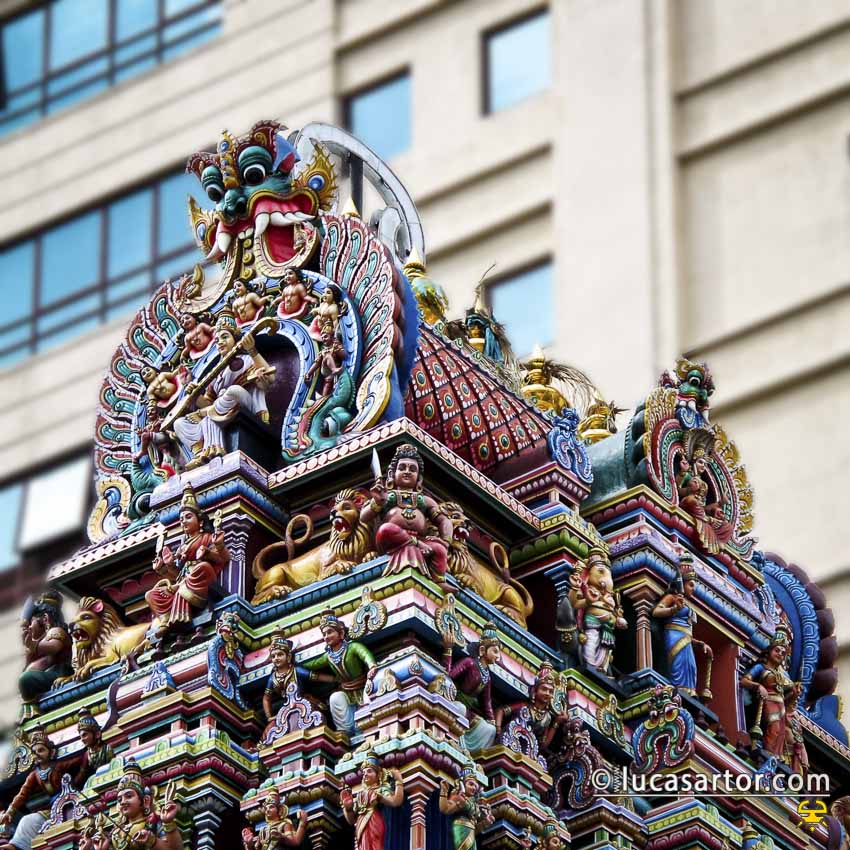
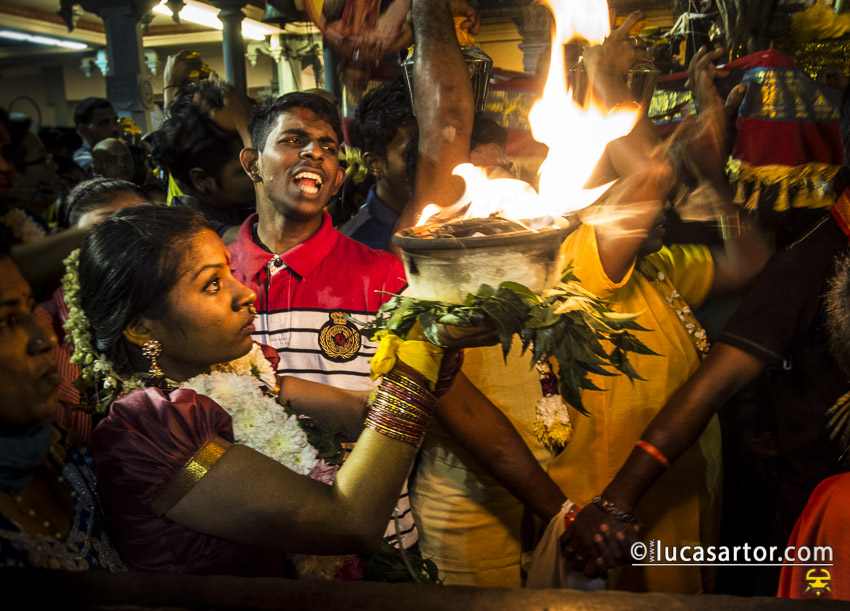
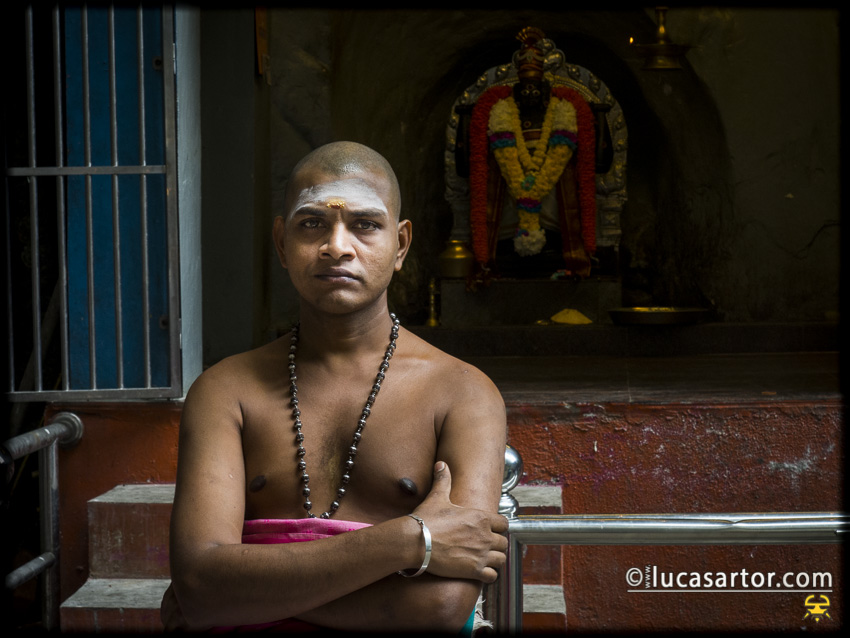
Here, influences overlap and coexist: the Indian heritage shines in the colours of religious traditions, the Chinese presence pulses in commercial districts, while Islamic and colonial traces shape the cityscapes.
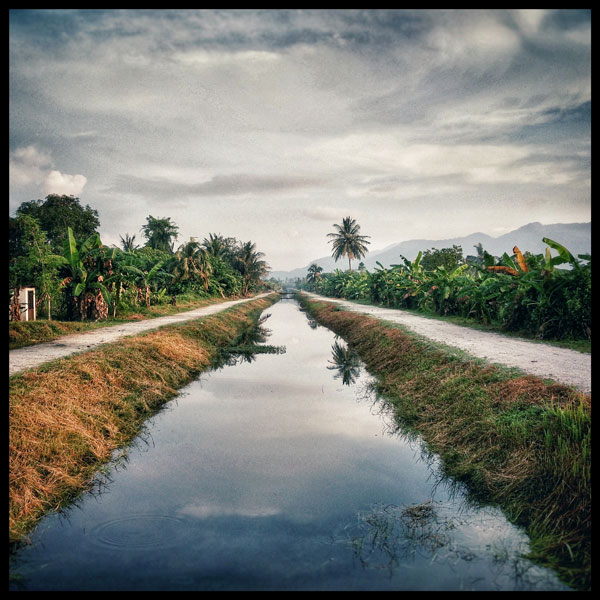
Travelling here also means discovering a country that has not been completely overwhelmed by mass tourism everywhere. Moving slightly away from the main centres allows one to rediscover a more human rhythm in the kampung (villages), where time seems to adapt to local habits and life flows more slowly.
An emotional language: history through people and food
Yet the true soul of Malaysia lies in its people. The kindness of the population is one of the most striking features: conversations arise spontaneously, without forced formality, transforming the traveller from a stranger into a guest sharing a short stretch of road. Over time, many of these encounters have grown into close friendships.
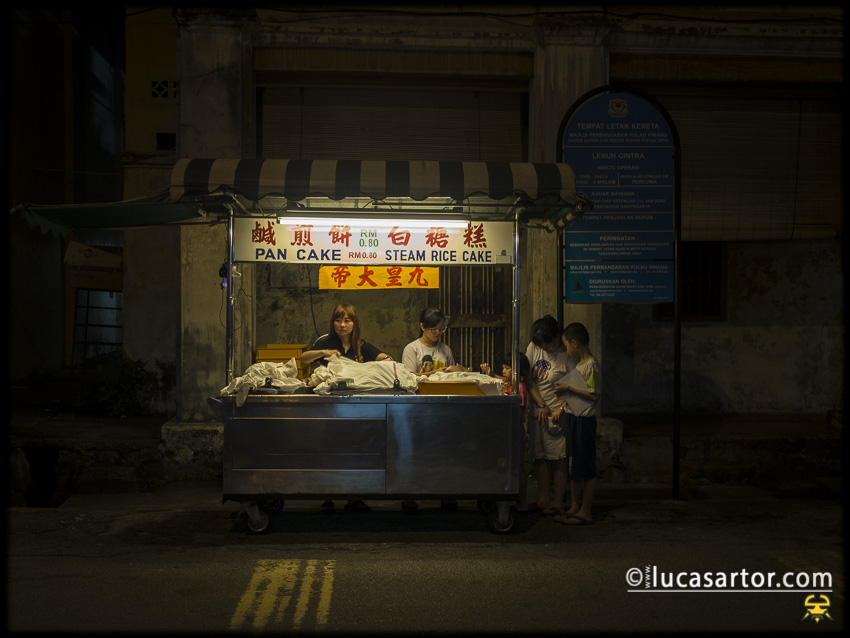
And then there is food, which here becomes almost a collective emotional language. The cuisine tells the country’s story better than many books: rice, curry, noodles and aromatic broths are small street inventions born from the meeting of different worlds. Every meal is a journey into the cultural memory of this land, a blend of flavours that will quite literally grab you by the throat.
In the end, the richness of Malaysia is measured not only in its landscapes or monuments, but in the subtle feeling of crossing a place where differences have learned to share the same living space.
Curated experiences: what not to miss in Malaysia, according to me
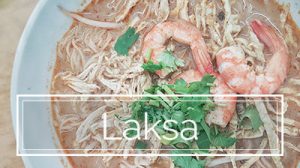
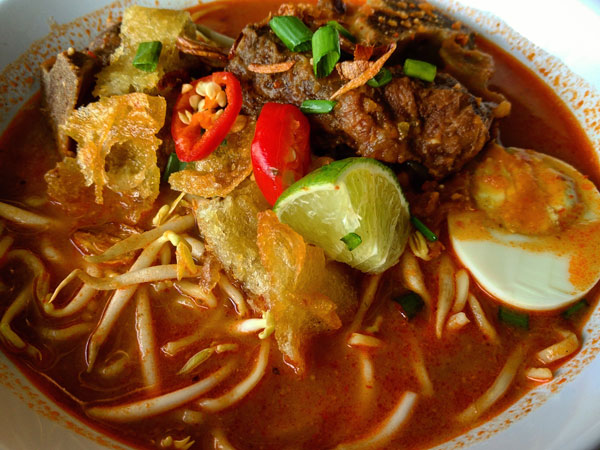
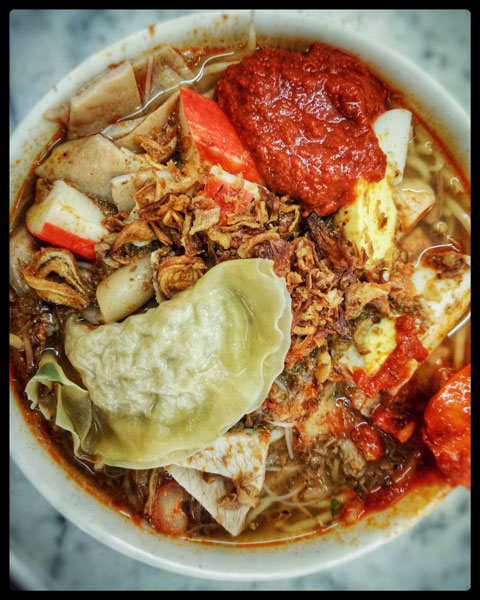
Street Food Culture: From the endless variety of Penang to the vibrant Jonker Street Night Market in Melaka. Don’t leave without trying the Laksa
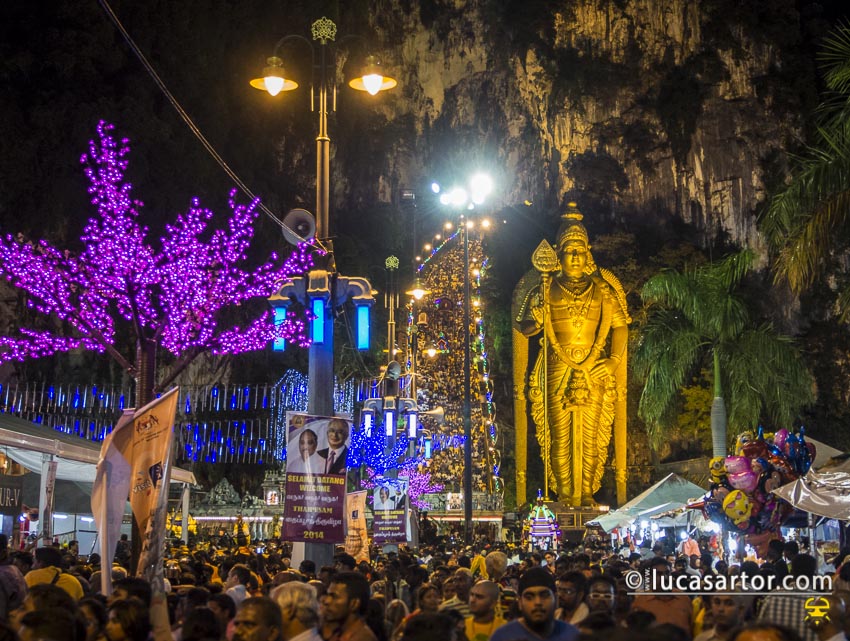
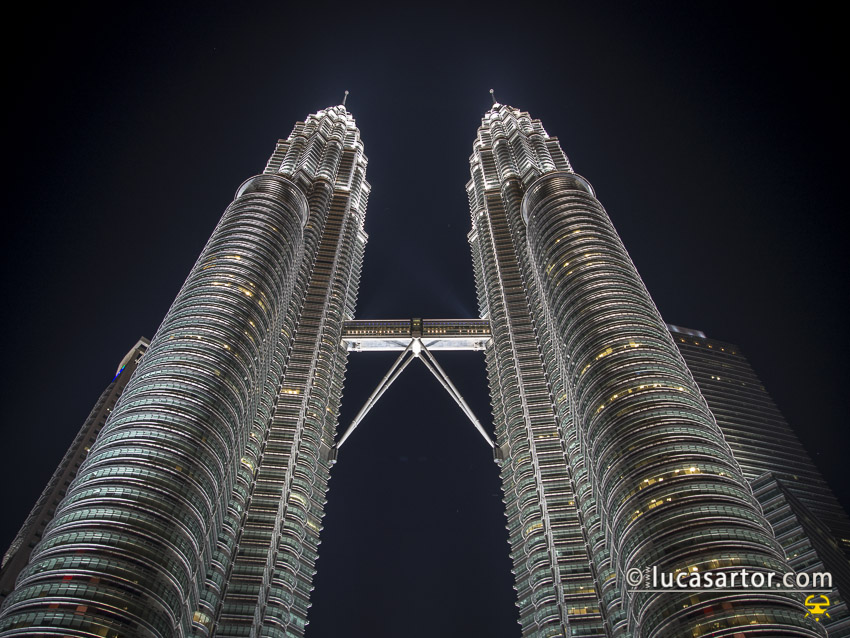
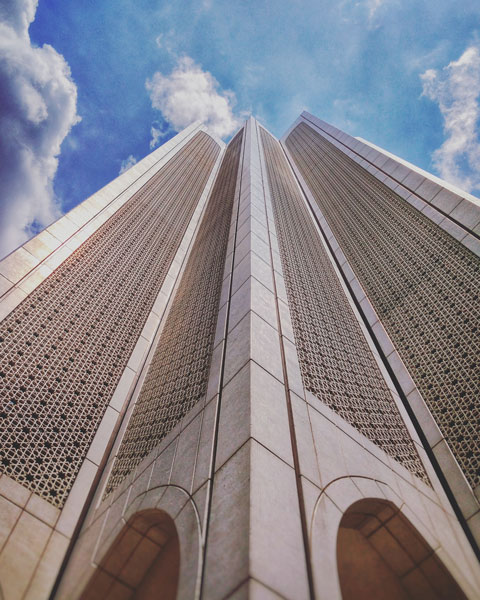
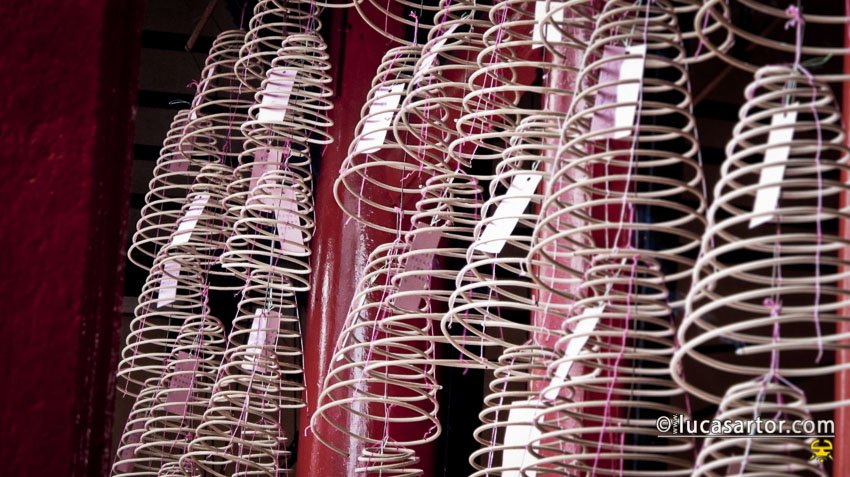
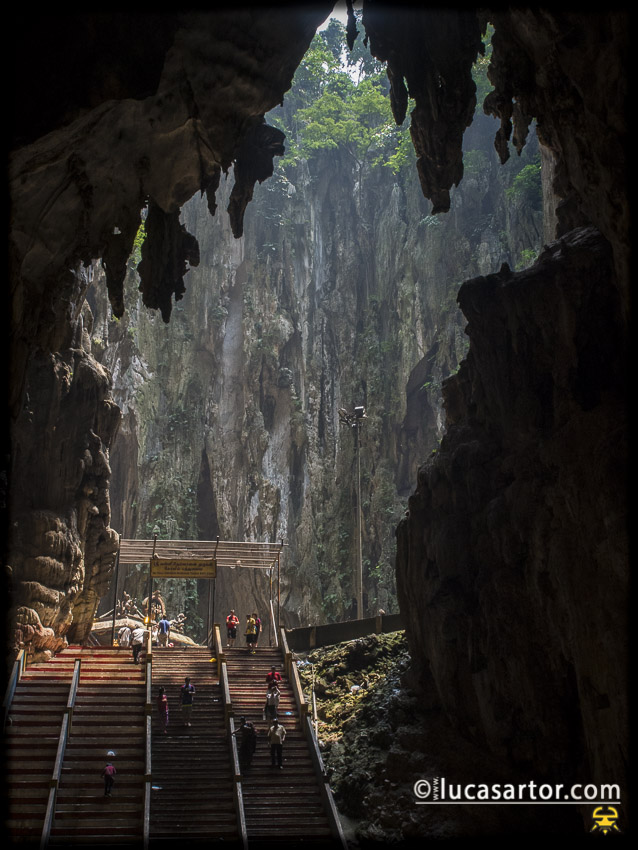
Architecture & Spirituality: The striking contrast between the modern Petronas Towers and the mysticism of the Batu Caves or the “Streets of Harmony.”
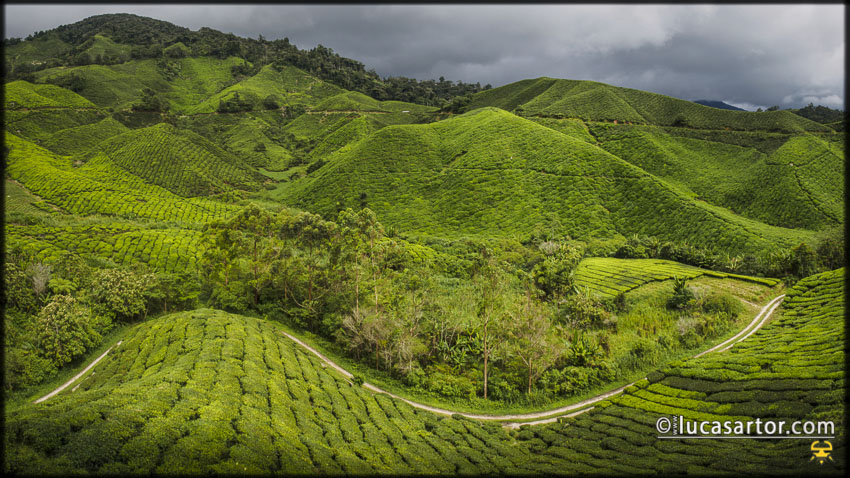
Wild Nature: Trekking through the ancient Taman Negara jungle, climbing Mount Kinabalu (4,095 m), wandering the tea plantations of the Cameron Highlands, and encountering orangutans in Borneo.
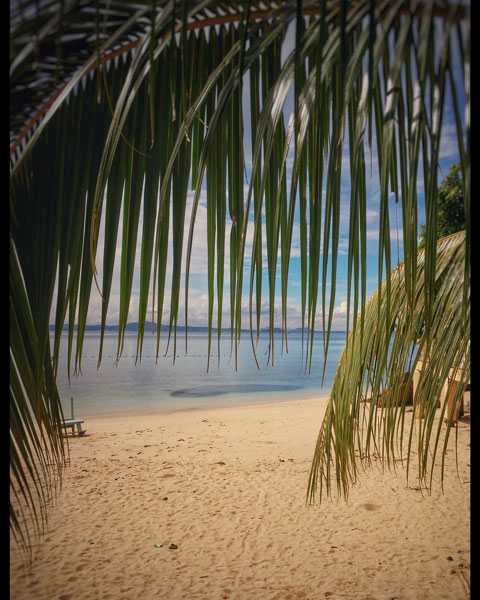
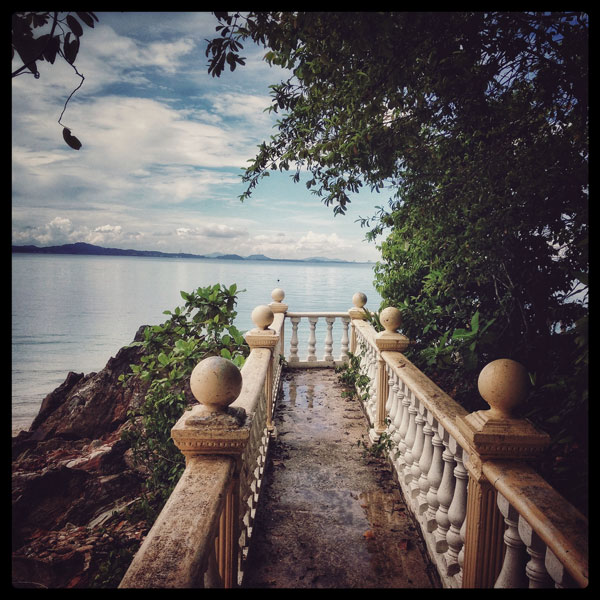
Azure Horizons: Diving in Semporna or finding crystal-clear relaxation on the Perhentian and Tioman islands, perfect even for just a snorkelling trip.
Local Fragments: The Kuching riverfront, the Peranakan museum houses of Penang, and the slow pace of Balik Pulau (best explored by bicycle).
My Advice: Take a moment to chat with the locals—the owner of your guesthouse or the guy preparing your breakfast at a nasi kandar. That is where you will find the real journey.
Some info about Malaysia:
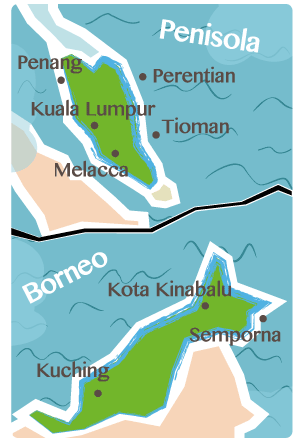
Capital: Kuala Lumpur
Population: 32 million
International Dialing Code: +60
Visa: One of the greatest advantages of traveling here. For many nationalities, entry is free on arrival and valid for 90 days. Ensure your passport has at least 6 months of validity remaining. Note: You must complete the online arrival card (MDAC) before entering the country.
Connectivity: Staying online is effortless. I recommend picking up a local SIM card (Digi and Celcom offer excellent coverage); Wi-Fi is a reliable standard in almost all hotels and cafes.
Language & Currency: The local currency is the Malaysian Ringgit (MYR). As for communication, English is the key that opens every door, beautifully coexisting with Malay, Chinese, and Tamil in a fascinating linguistic mix.
N.B. Always double-check current visa regulations and entry requirements before your departure, as rules can change without notice.
Malaysia, when to go?
Malaysia can be explored in any month of the year, but you must accept a simple pact: here, the climate dictates the rules. Constant heat, a humidity that clings to you from early morning, and tropical rains that arrive suddenly and violently, only to dissolve and leave behind the scent of wet asphalt and crushed leaves.
The East Coast: On the peninsula, islands like the Perhentian, Redang, and Tioman become less accessible between November and February. During this period, the monsoon makes the sea rough, boat transfers are often suspended, and many resorts close their doors.
Malaysian Borneo: Between Kota Kinabalu and the forests of Sabah and Sarawak, rains tend to be more frequent from October to March. This doesn’t mean days are entirely lost, but rather a different, slower rhythm, where the jungle changes its voice and colours.
Peak Season and Festivities: The tourist peak coincides with December and January, but the real variables are Chinese New Year (January/February) and Hari Raya Aidilfitri (the end of Ramadan, dates vary). During these periods, you’ll witness the balik kampung phenomenon: millions of people returning to their home villages. Transportation must be booked well in advance, and many family-run restaurants may close, but it’s also when the country’s vibrant multicultural soul truly shines.
My Advice: Don’t let the forecast or the red dates on the calendar discourage you. At these latitudes, it’s best to arrive prepared for rain and ready to adapt: often, it is the “less than perfect” days or the sudden changes of plans that offer the best light and the most vivid images for your memory.
What to Eat in Malaysia
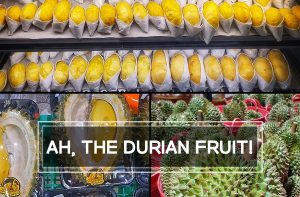
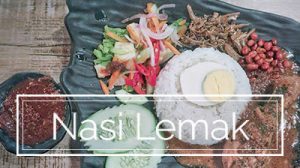
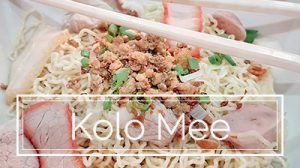
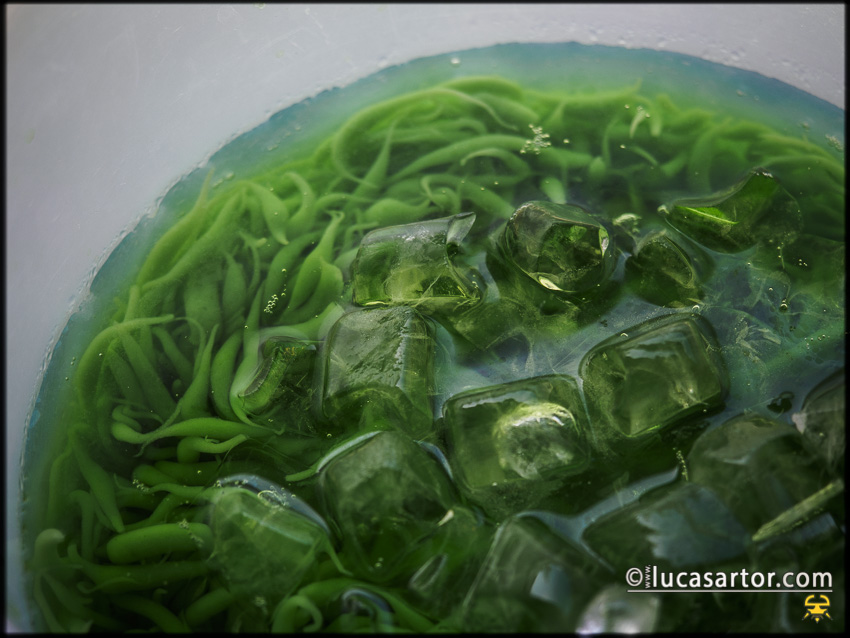
Malaysian cuisine is composed of recipes from different cultures, one of the most rich that can be found here in Asia. Chinese, Indian and Malay food that you can enjoy anywhere and at really cheap prices!

Malaysia: Visual Archive
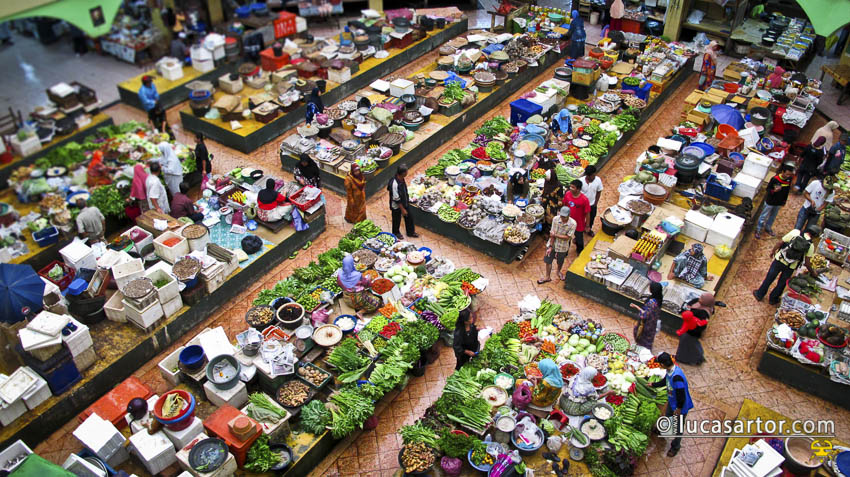
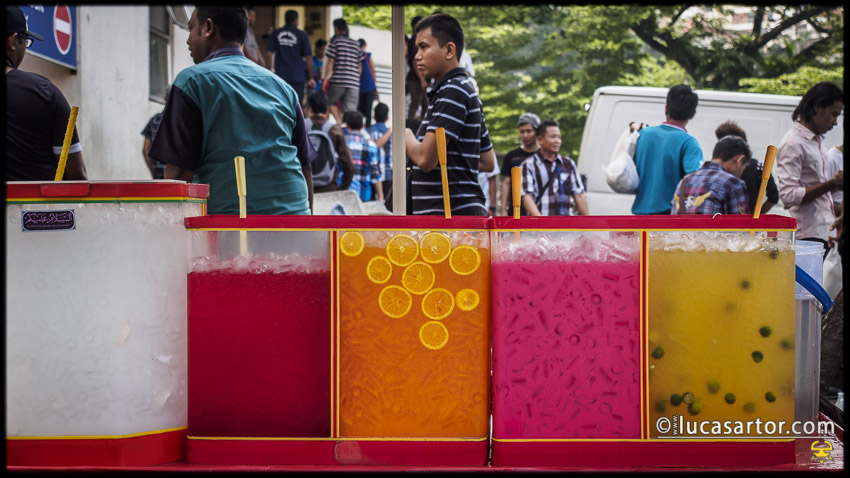
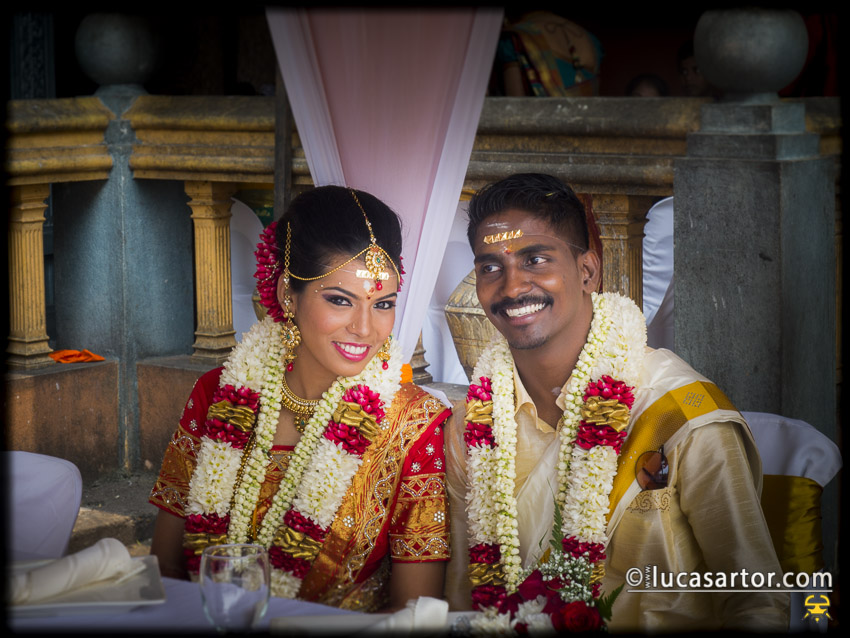
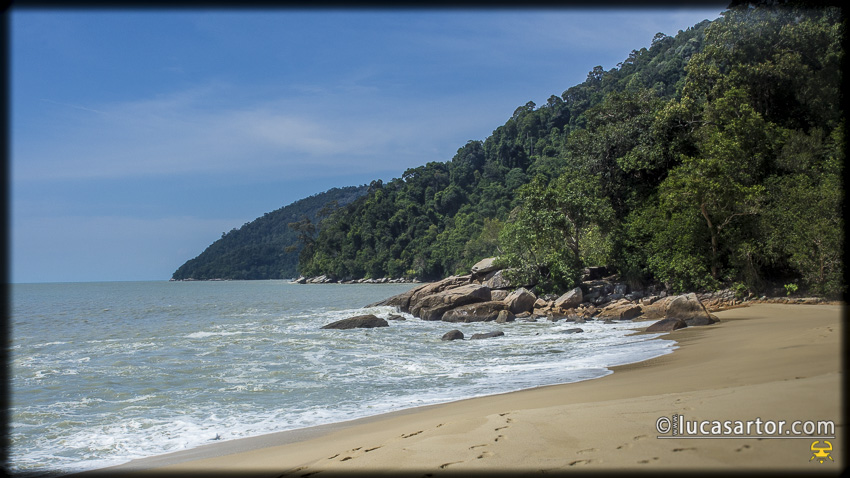
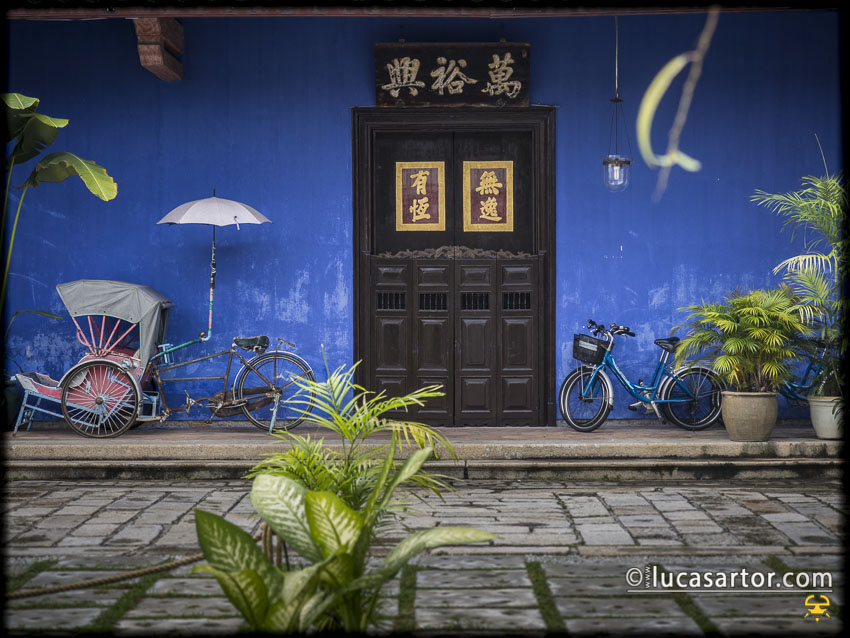
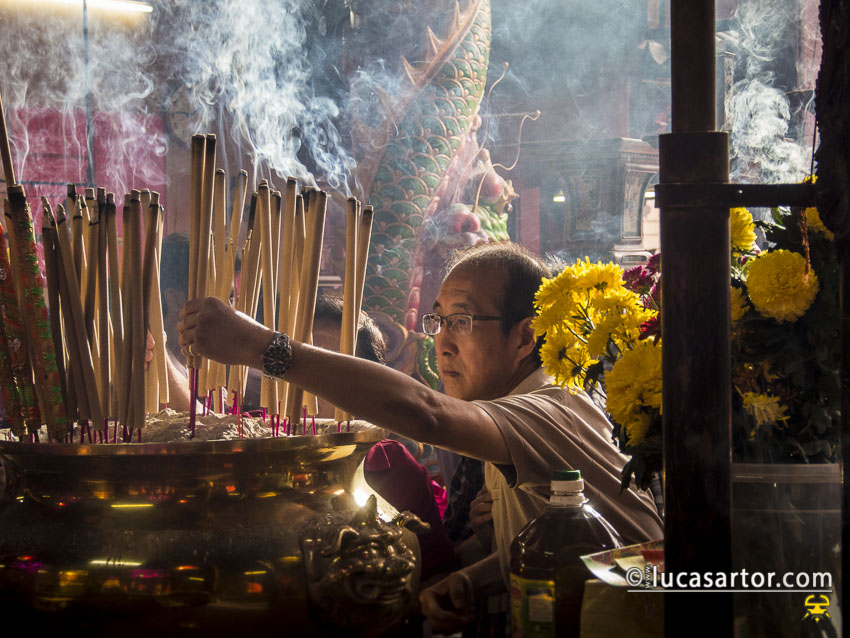
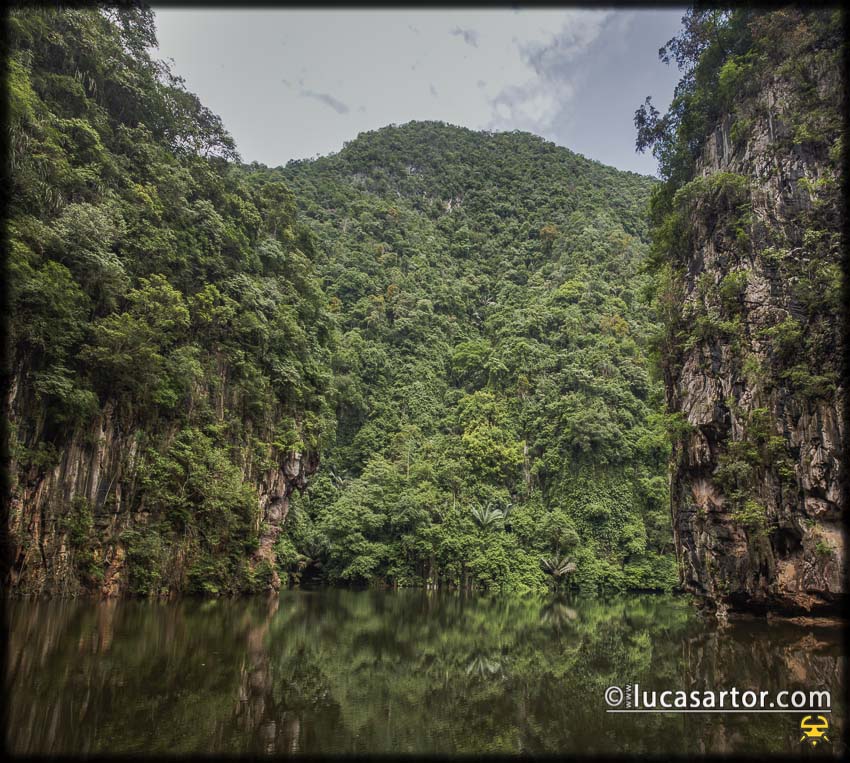
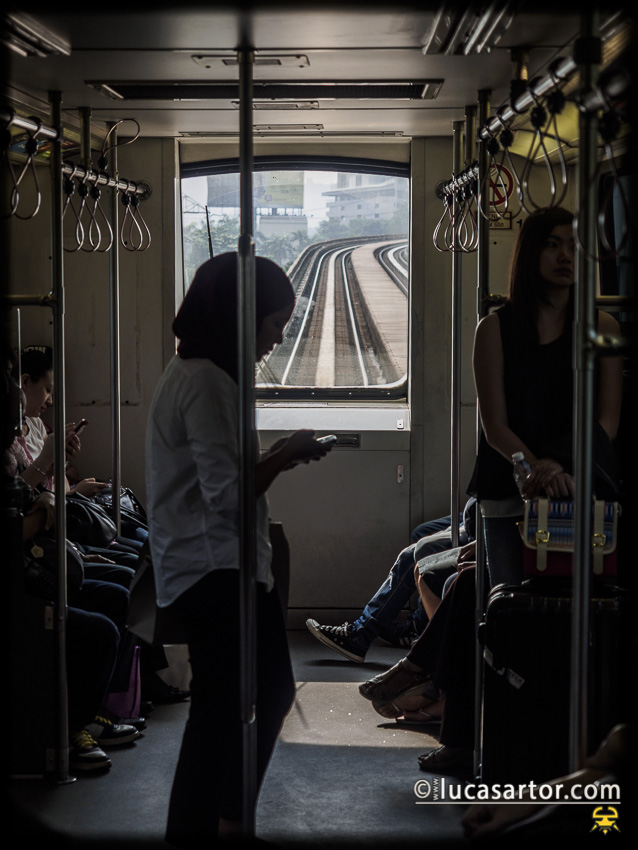
These images are a small selection from a larger archive built over years of documenting Malaysia through its landscapes, communities, food culture and the details that rarely make it into guidebooks.
If your project requires imagery or destination knowledge from a specific region, subject or visual perspective, I’d be happy to discuss how I can help.
Available for travel brands
These stories, photographs and field notes are part of a wider archive built through years of living in and experiencing Asia.
I work with travel brands, tour operators, DMCs and creative teams to develop destination narratives, research and content that go beyond standard itineraries.