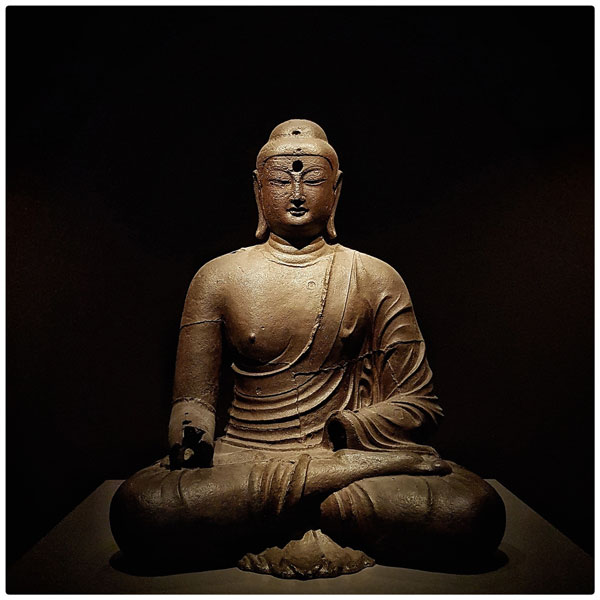
The inexhaustible energy of a country in transition

South Korea is not a country that lets itself be understood at first glance. It didn’t strike me immediately, but the more I moved through its streets, the more I began to feel a sort of slow, almost subterranean attraction. It is a place crossed by an explosion of energy that reflects in its people and cities.

It is a hyper-modern country, suspended between tradition and global influence. What has always fascinated me is the discreet presence of historical places and a daily life that maintains its own proud identity, despite being heavily permeated by Western cultural models. In this context, the human element emerges strongly: Koreans often work for many hours in extremely competitive environments, yet they always seem to keep a reserve of energy to go out at night, share a drink, and transform stress into shared lightness.

A casual arrival and an unexpected stay

I have spent a lot of time here, enough to consider South Korea one of the places I feel as home. I arrived almost by chance, following that somewhat nomadic logic that prefers to let things happen. I remember a guy I met in a hostel in Taipei who told me he had just arrived from Seoul. Intrigued by his stories, and seeing that my Taiwanese visa was expiring, I bought a one-way ticket.

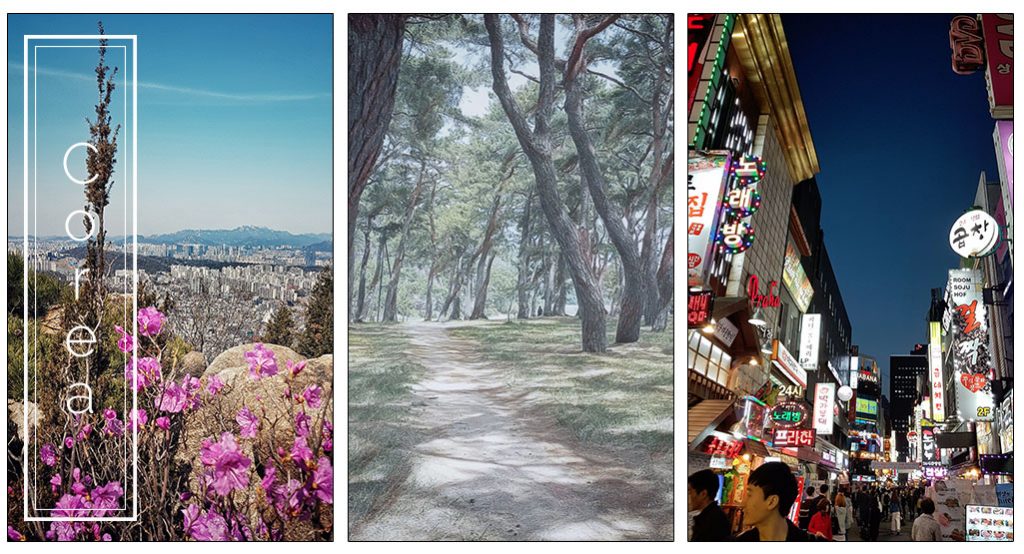
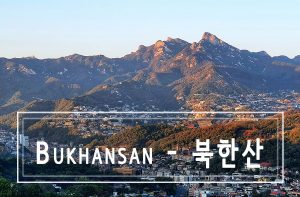
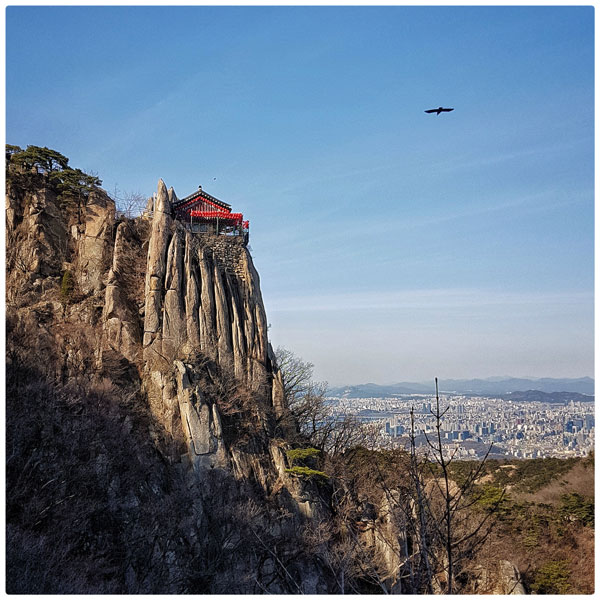
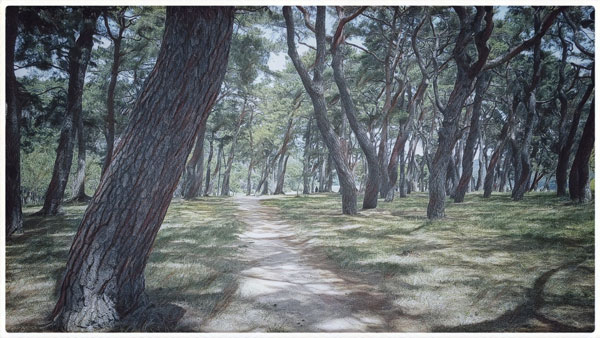
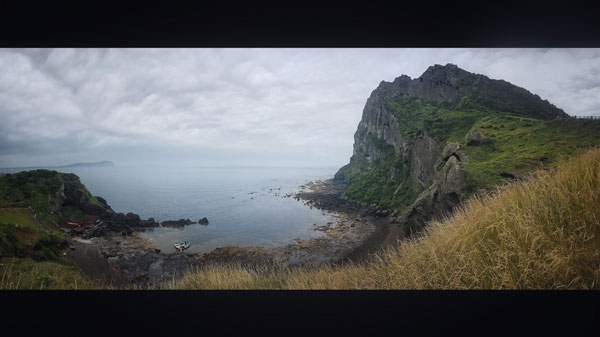
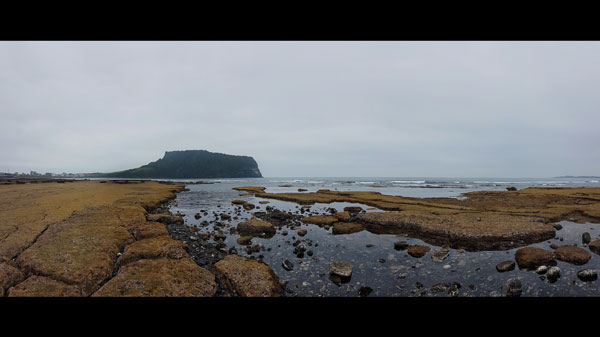
I thought I would stay for a short time. Instead, Korea turned into another one of those lands I always return to. I had the opportunity to explore it deeply: the east coast, the south, the beautiful volcanic island of Jeju, and the mountains around Seoul, where hiking trails allow you to leave the noise of the city behind and observe from above the urban expanse that continues to live far away.

Steamy nights, street food, and Euljiro 3

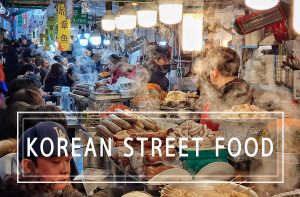
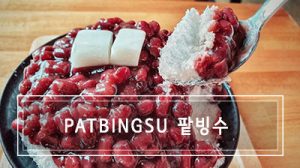
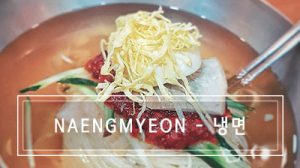
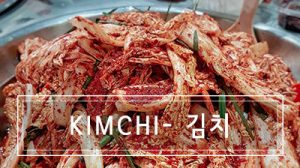
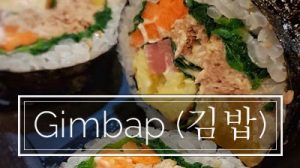
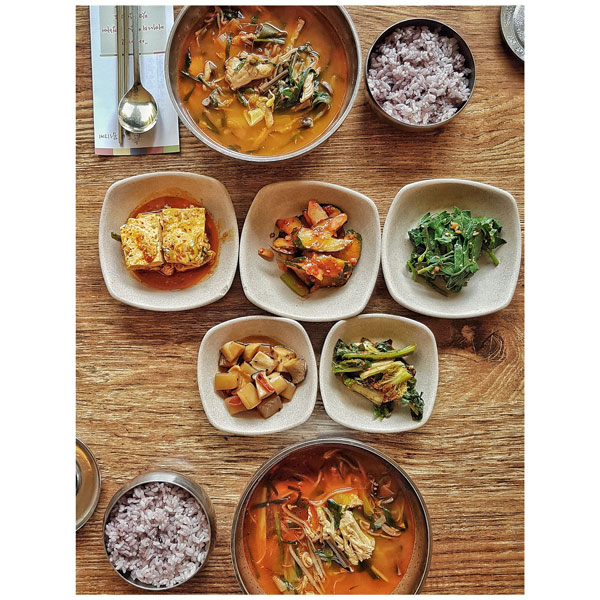
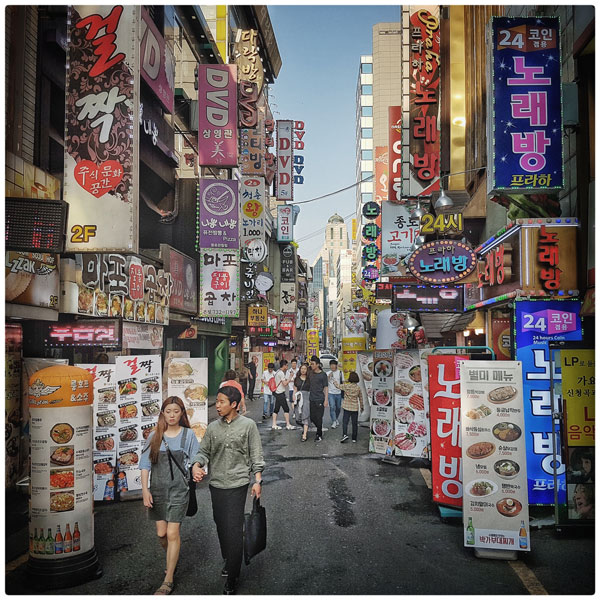
I can’t talk about Korea without mentioning the local food, a universe of flavors that was entirely new to me at the time: I had never even heard of kimchi, for example. The night street food is one of my most vivid memories: small tables pulled up in neon-lit alleys, steam rising from the pots, and the scent of broth cutting through the cold evening air. The restaurants also tell of a world of social relationships, often discovered by following a local and letting yourself be guided by their idea of conviviality.

The evenings in Euljiro 3 remain etched in my memory: beers drunk outside venues hidden among industrial alleys, transformed over the years into spaces of nocturnal social life. Slow chats, glasses being refilled, and continuous toasts to chase away the fatigue of the day.

The four seasons and the memory of a journey

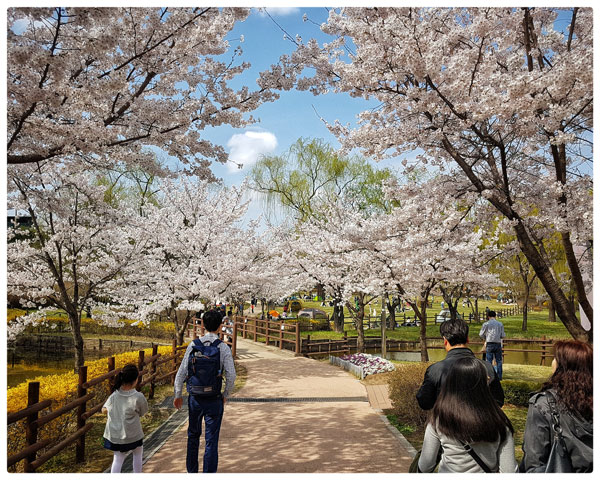
South Korea was also the first country in Asia where I truly lived the full cycle of the four seasons. The cold winters, with air that catches your breath and snow that changes the rhythm of the cities. The scorching and humid summers, dense with light and movement. The spring of cherry blossoms exploding suddenly along the avenues. The autumn that colors every tree with deeper and more melancholic tones. It was a simple but significant discovery, a new dimension of experiencing Asia.

I will always remember a woman I met while traveling on a bus in the countryside in the center of the country. Before getting off, she turned to me and simply said: “Make beautiful memories“, as if she were pointing out an invisible path for me to follow.

Korea remains a modern and extremely comfortable country to travel through, yet complex to fully decipher. The more you travel it, the more a stratification of contrasts and small daily wonders emerges. And perhaps it is precisely this continuous discovery, this imperfect balance between the frenzy of the future and ancient rhythms, that makes this place so magnetic.

Curated experiences: what not to miss in South Korea, according to me

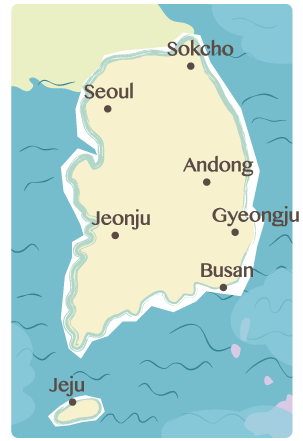
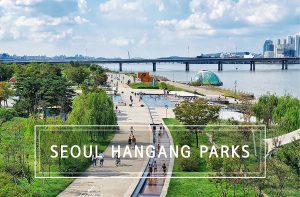
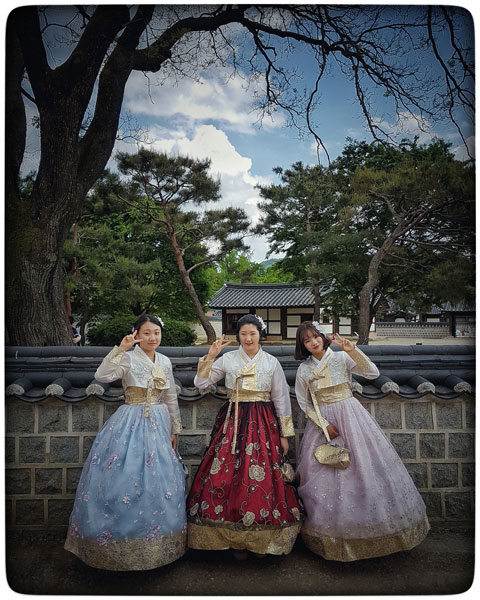
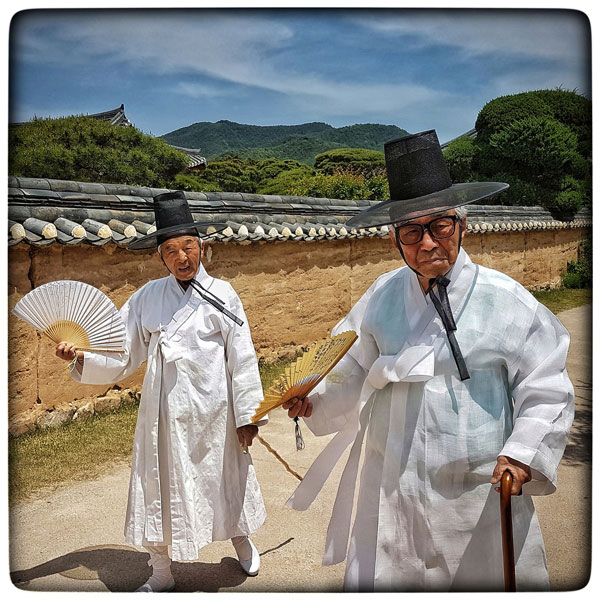
The two souls of Seoul: The capital is the beating heart of the country. Stroll among the ancient royal palaces of the Joseon dynasty (book your visit to the wonderful Secret Garden in Changdeokgung Palace well in advance). Rent a hanbok (the traditional dress) and explore the historic alleys of the Bukchon or Seochon neighborhoods. In the evening, throw yourself into the lively university area of Hongdae to watch street performances by local artists and aspiring K-pop bands.

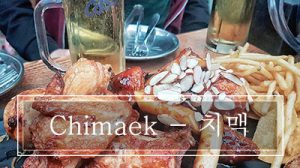
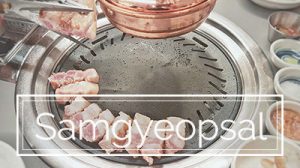
The culture of meat and toasting: Korean cuisine is absolutely one of my favorites. You cannot leave the country without trying Samgyeopsal (the famous Korean pork barbecue), strictly washed down with a Somek, the deadly but delicious mix of beer and soju (the local liquor).

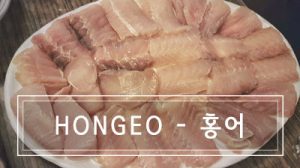
Market life: Markets are the true theater of Korean life. Make your way to Gwangjang for traditional street food, or go to the Noryangjin fish market. Note: the old and rustic market has unfortunately been demolished, but in the new and modern building, you can still buy fresh fish on the ground floor and have it prepared as exquisite sashimi in the restaurants upstairs!

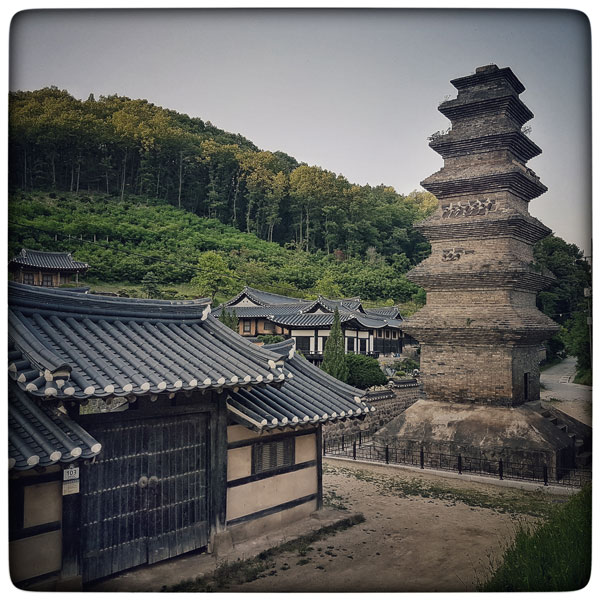
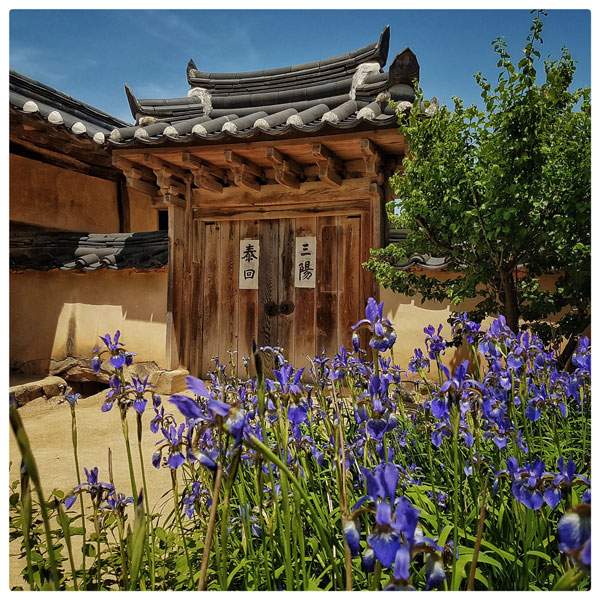
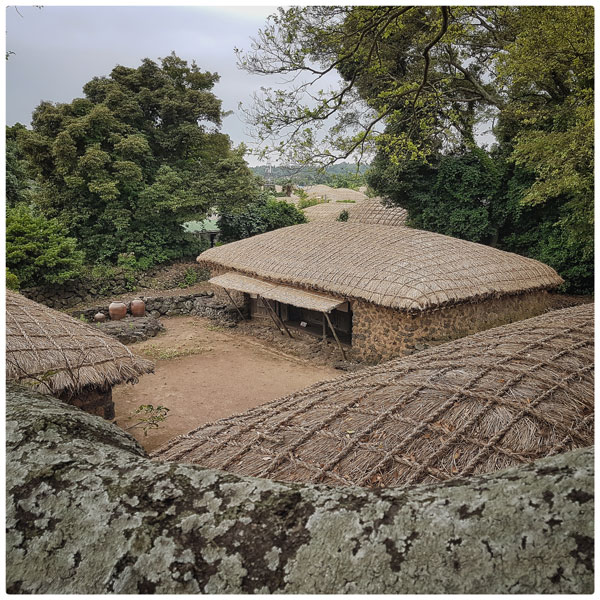
Slow pace in traditional villages: Leave the capital and head to Jeonju or the peaceful folk village of Hahoe, near Andong, to sleep in a hanok, the typical and relaxing wooden Korean house.

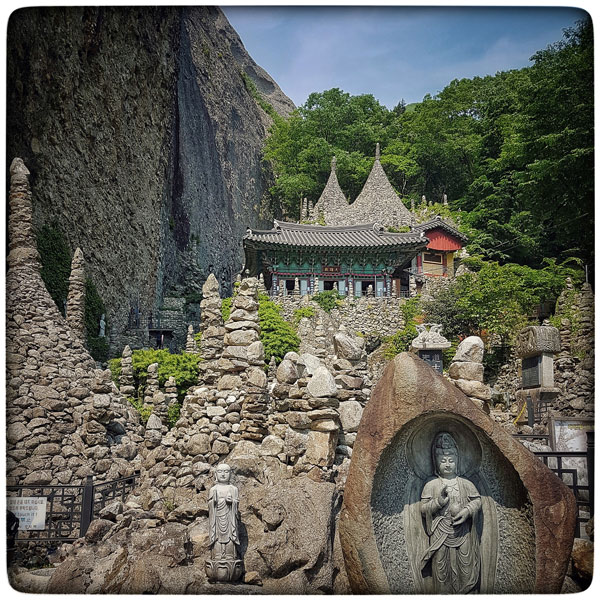
Busan and the capitals of the past: Busan, in the south, is the country’s second city: more relaxed than Seoul, famous for its beaches, the Busan International Film Festival (BIFF) for cinephiles, and the magnificent Haedong Yonggungsa temple overlooking the ocean. For a dive into history, get lost in Gyeongju, the ancient capital of the Silla dynasty, with the unmissable Bulguksa temple.

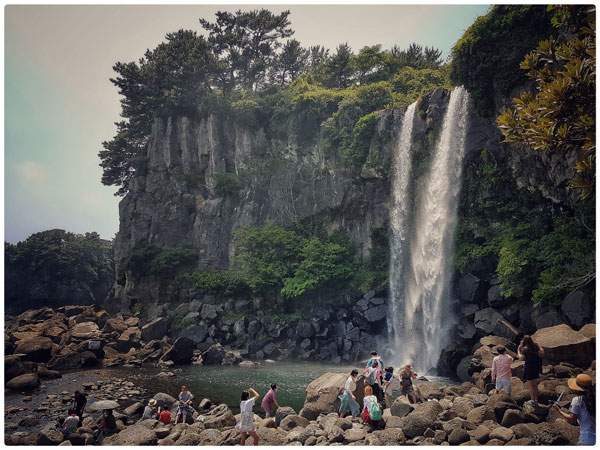
The island of the gods: Take a cheap domestic flight and land in Jeju. An enchanting volcanic island, rich in nature, waterfalls, and windswept cliffs.

Thermal wisdom and nature: Try the rejuvenating experience of a jjimjilbang, the traditional Korean public baths with saunas of all kinds. If you are an outdoor enthusiast, the country is full of beautiful mountains to climb, even right on the edge of Seoul.

Some info about South Korea:

Capital of South Korea: Seoul.

Population: 50,5 millions

Official language: Korean

Currency: Korean Won

Calling Code for South Korea: +82

Tourist Visa and K-ETA (2026 UPDATE): Italian citizens enjoy a visa exemption for stays of up to 90 days. HOWEVER, the K-ETA (Electronic Travel Authorization) has been introduced, a mandatory paid form to be filled out online before boarding. The government often temporarily suspends this requirement for some nations, so strictly check the rules before buying your flight! Your passport must have at least 6 months of validity.

Connectivity and Transport: Buying a tourist SIM card is incredibly easy. Wi-Fi is literally everywhere and free. South Korea boasts one of the fastest internet connections on the planet: in major cities, it is absolute lightning.


N.B. Always check official channels before leaving, especially for health and entry regulations!

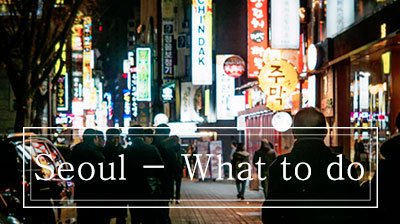
Have a look at the Top 10 things to do in Seoul!

South Korea, when to go?

The Korean climate makes no discounts: it is a country of extremes.

The perfect seasons (April – June / September – November): Spring and autumn are by far the best times. The temperatures are fantastic. In spring, you can witness the magic of cherry blossoms, while in autumn, the foliage colors the mountains in red and gold.
Summer (July – August): Best avoided if you suffer from the heat. Extremely hot, highly humid, and hit by the rainy season (monsoons).

Winter (December – March): Freezing and dry, with temperatures often dropping well below zero. Similar to Northern Italy, but with much sharper Siberian winds.

South Korea, what to eat?

Learn more about South Korea!

<h6 South Korea Images!