Time suspended in Laos
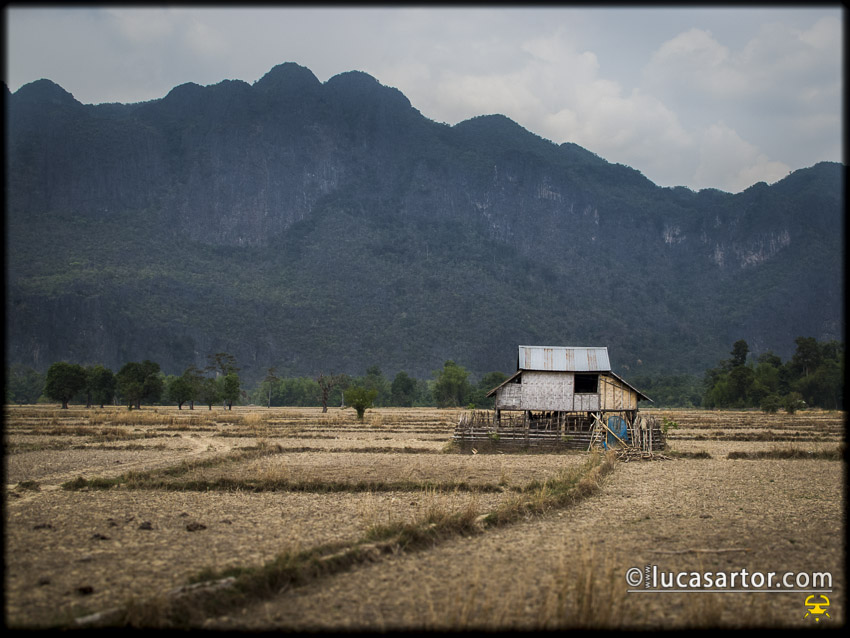
Laos is one of those Southeast Asian countries where time seems to slow down naturally. A deeply peaceful and incredibly green place, where life still flows at a rhythm far removed from the obsession with speed we are accustomed to. Nestled between Vietnam, Thailand, Cambodia, China, and Myanmar, Laos makes it easy to combine a trip with one of its neighboring countries, but a simple rule applies here: if you arrive in a hurry, you’re in the wrong place.
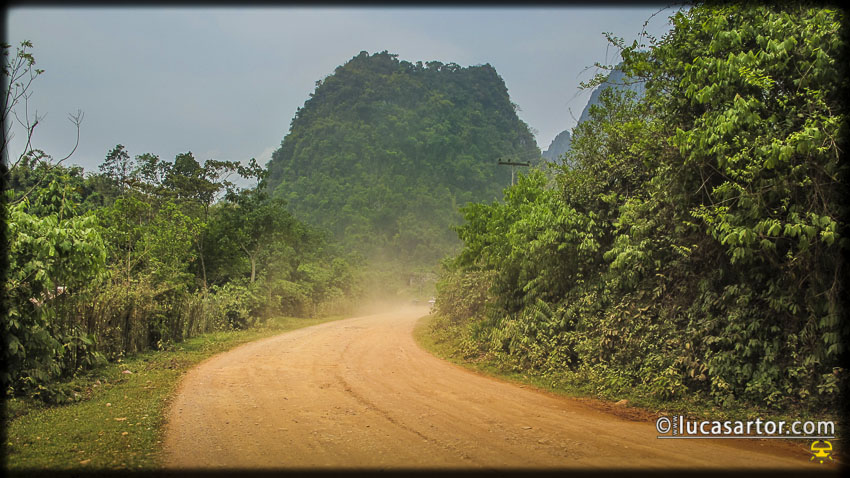
It is a country I have crossed multiple times over the years. Once, traveling in Laos meant bracing for disastrous roads, dust, and means of transport that calling “spartan” would almost be a compliment. Today, something is changing: a modern railway line has recently been inaugurated, crossing the North and connecting it to China and Thailand. Moving around that area has suddenly become simple and fast, almost surreal if you think of the Laos of a few years ago (or the rest of the country…).
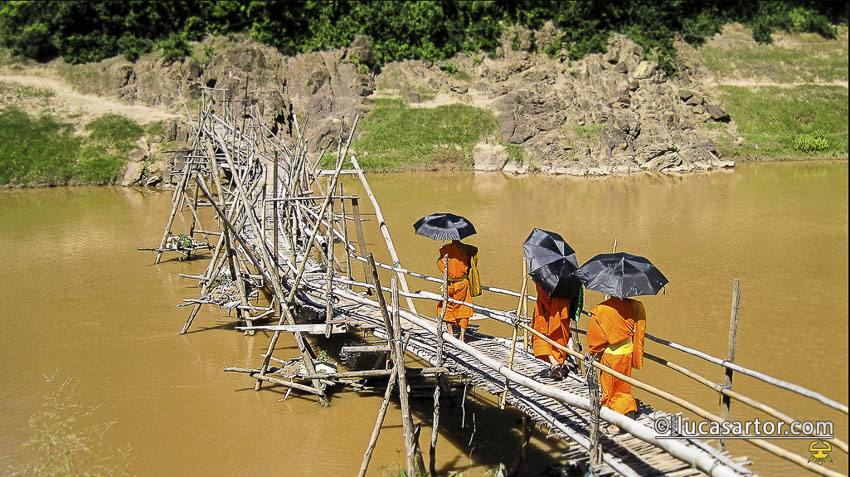
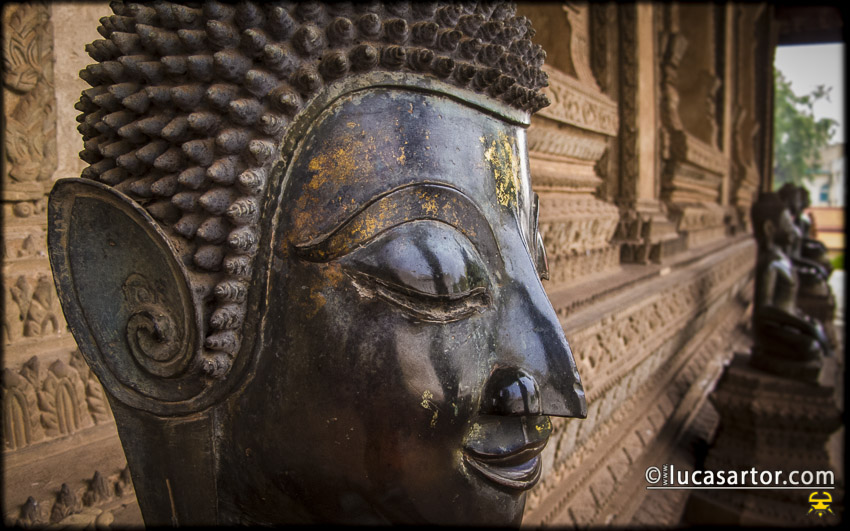
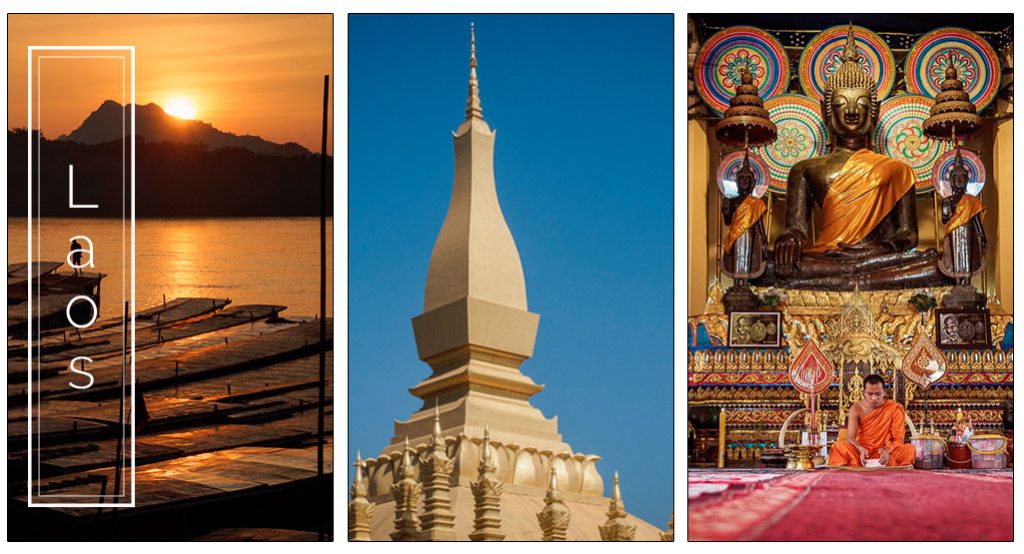
And yet, its slowness continues to survive. Luang Prabang remains one of the most fascinating places I have encountered in all of Asia, a village of elegant architecture where golden temples emerge among tropical trees and old teak wooden houses still tell of a discreet and refined colonial past. Walking through its quiet streets, you perceive a rare balance: monks silently crossing the courtyards of the wats, wooden balconies flooded with flowers overlooking the street, the scent of incense wafting from the temples. Everything seems gathered between the two rivers that embrace the city, the Mekong and the Nam Khan, whose slow waters accompany daily life and give this place an atmosphere almost suspended in time. I remember long sunsets spent sitting along the Mekong with an ice-cold BeerLao in hand, watching the boats glide over the water. Some carried tourists listening to traditional music, others blasted improbable Chinese or Korean karaoke, while the sun turned red and immense before disappearing behind the mountains on the horizon.
It is those suspended moments, where almost nothing happens, that make Laos different from many other places in Asia.
Vientiane, the quietest capital in Southeast Asia
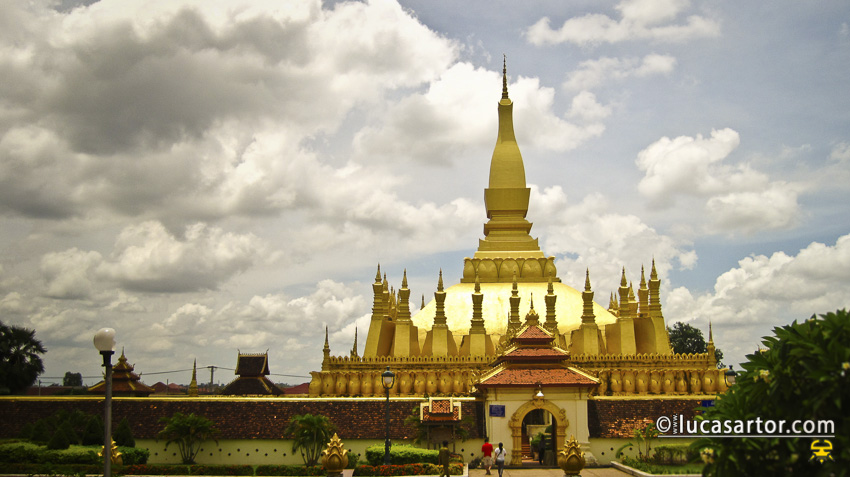
Vientiane also has a charm all its own. It is probably one of the quietest capitals in the world, a far cry from the chaos of Bangkok or Hanoi. Precisely for this reason, I managed to find my dimension there, discovering hidden corners and small daily habits capable of filling entire days without rushing.
Strolling along the Mekong in the evening, watching local life flow slowly, stopping to eat something in one of the small roadside restaurants: these are simple moments that define the character of the city.
Adventures in Laos: Nong Khiaw and the Thakhek Loop
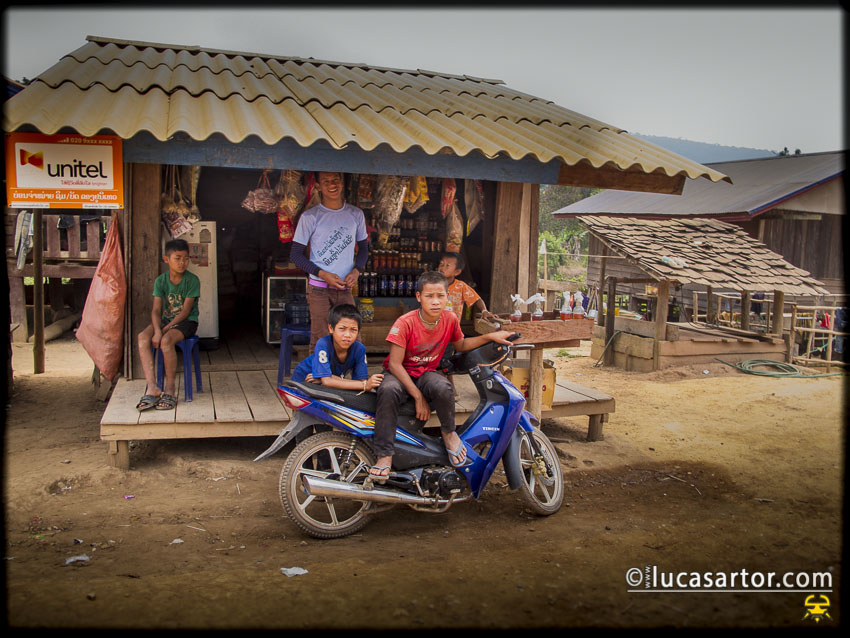
Then comes the more adventurous part of the country. Nong Khiaw, with its karst mountains rising above the river, offering panoramas carved into memory, which you earn with a short trek of about an hour to fully enjoy the view. Or the famous Thakhek Loop, three days on a motorcycle with two travel companions along roads that seem designed just to keep riding, remote villages, caves, tight curves, and landscapes that change bend after bend.
And along the way comes another surprise: the local cuisine. Simple, intense dishes, often ignored by those who cross Laos too quickly without really stopping.
Traveling in Laos means exactly this. Slowing down. Accepting that distances might take time, and that often the best part of the journey is not the destination, but that sense of peace that slowly creeps in as you leave the noise of the world behind.
Curated experiences: what not to miss in Laos, according to me
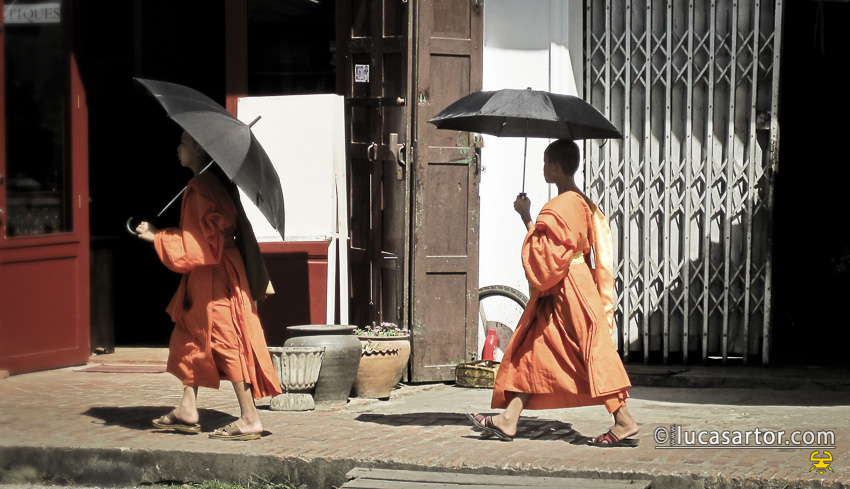
The Orange Dawn: Wake up before sunrise in Luang Prabang to witness the Tak Bat, the silent and evocative alms-giving ceremony by Buddhist monks.
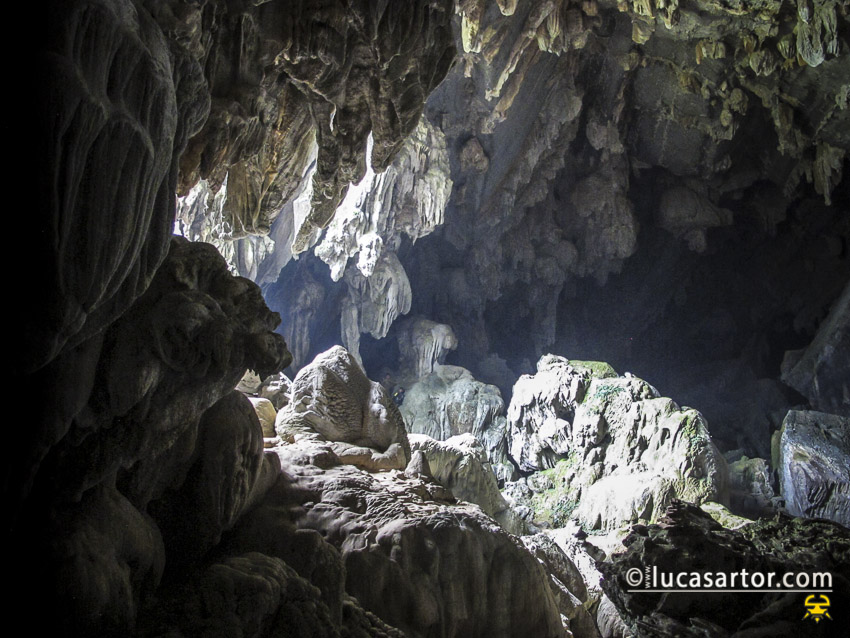
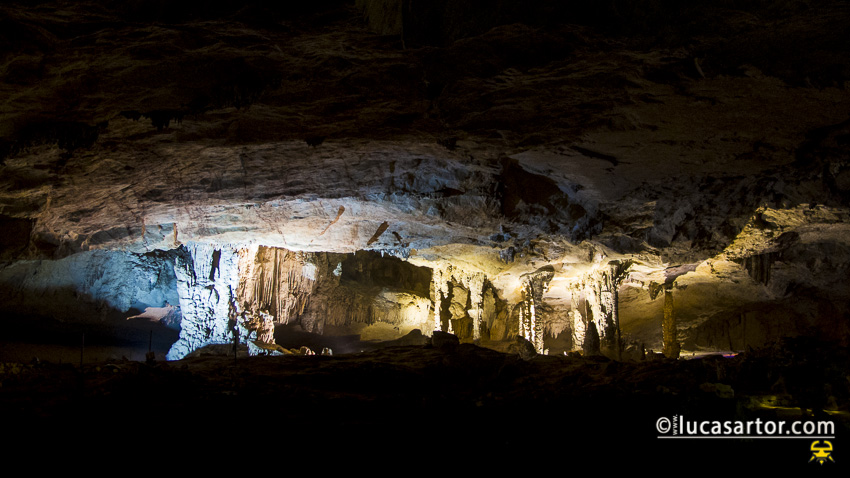
The Open Road: If you feel up to it, rent a motorcycle and travel around the country. The Thakhek Loop (2-3 days starting from the sleepy river town) will take you to the impressive navigable caves of Kong Lo. An experience of total freedom.
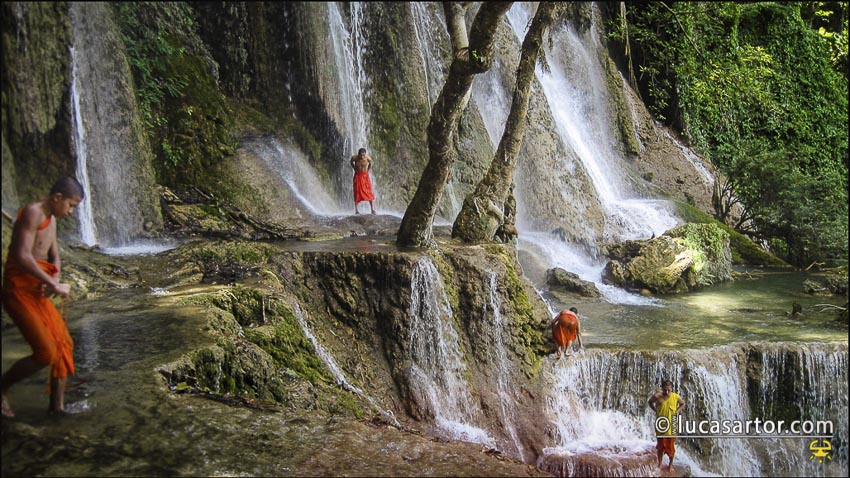
The Northern Peaks: Push on to Nong Khiaw to admire extraordinary and dramatic mountain panoramas, or go trekking through the jungle, spectacular waterfalls, and ethnic minority villages.
The Sunset Ritual: Enjoy a sunset on the Vientiane riverfront (across the water is Thailand!) or in Luang Prabang, strictly with a BeerLao, rightfully considered one of the best beers in all of Asia.
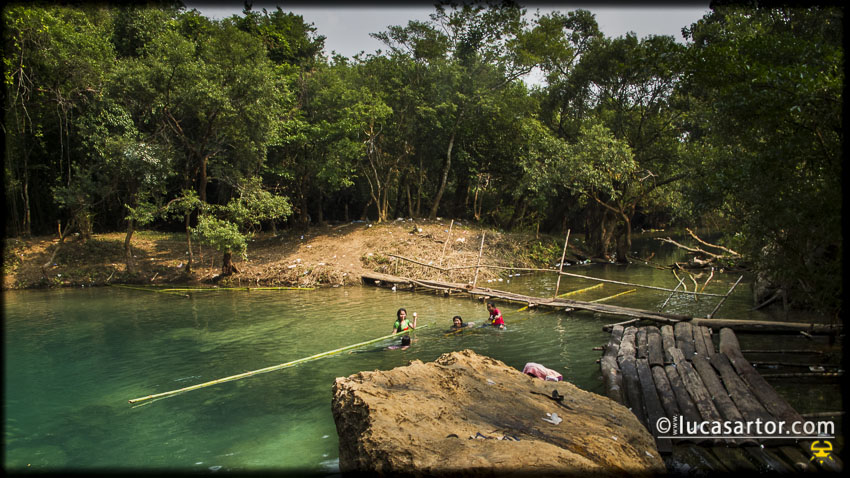
On the Water: Surrender to the art of doing nothing on a hammock in one of the 4000 Islands (Si Phan Don) on the Mekong in Southern Laos, or try the famous (and now much quieter than in the past) tubing in Vang Vieng, floating down the river on a rubber inner tube among the karst mountains.
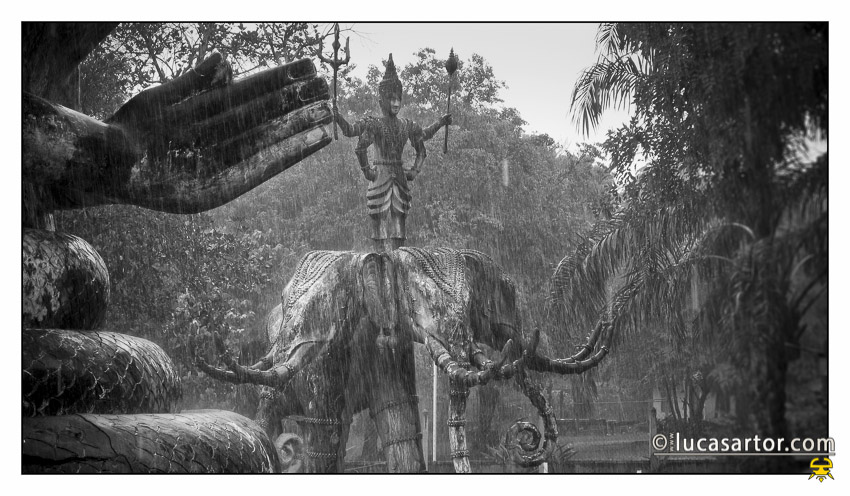
The Stone Mystery: Head to Phonsavan to explore the Plain of Jars, one of the most enigmatic and fascinating archaeological sites in all of Southeast Asia.
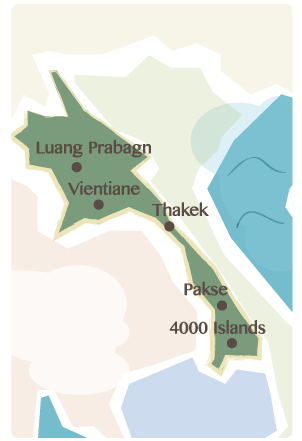
Some info about Laos:
Capital of Laos: Vientiane
Population: 7.6 millions
Official language: Lao
Currency: Kip
Calling Codefor Laos: +856
Laos Tourist Visa: You can easily get it upon arrival (Visa on Arrival) at main border checkpoints or airports, or by requesting an e-Visa online. It lasts 30 days and must be paid in US Dollars (bring crisp, new bills without any tears!). Your passport must have at least 6 months of validity.
Connectivity and Transport in Laos (TRAIN UPDATE): The big news is the LCR (Laos-China Railway) that connects Vientiane, Vang Vieng, and Luang Prabang all the way to the Chinese border. The trains are modern, fast, and spotlessly clean, drastically cutting travel times in the North! For internet, it’s easy to get a local SIM (Unitel or Lao Telecom). Wi-Fi is available in hotels and restaurants: the speed ranges from excellent in the cities to “terrible” in rural areas… just be philosophical about it!
N.B. Always check before leaving that the visa rules or train schedules haven’t changed recently!
I wrote an article with more details about the destinations and what to visit during a trip to Laos: Laos: what to see!
Laos, when to go?
Laos follows the tropical rhythm, but has an important peculiarity you need to know:
The Perfect Period (November – February): Mild temperatures, blue skies, and low humidity. This is the high season.
The Hot and Smoky Season (March – May): It gets incredibly hot. Furthermore, between March and April, farmers burn the stubble in the fields (the burning season). The air can become thick with smoke, obscuring the views and making it uncomfortable to breathe, especially in the North.
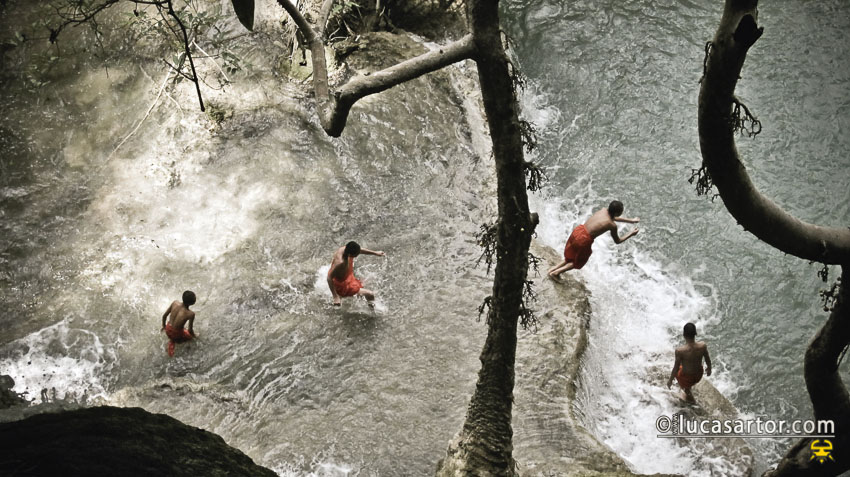
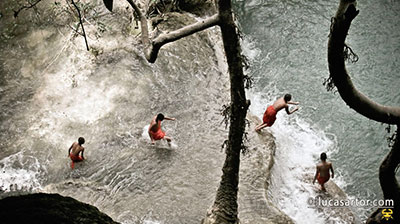
The Green Season (June – October): This is the monsoon period. It rains often, but this gives Laos its most magical face: the waterfalls are bursting with water and the landscape explodes in a wonderful, brilliant green.
Festivals in Laos
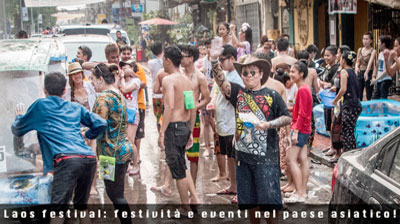
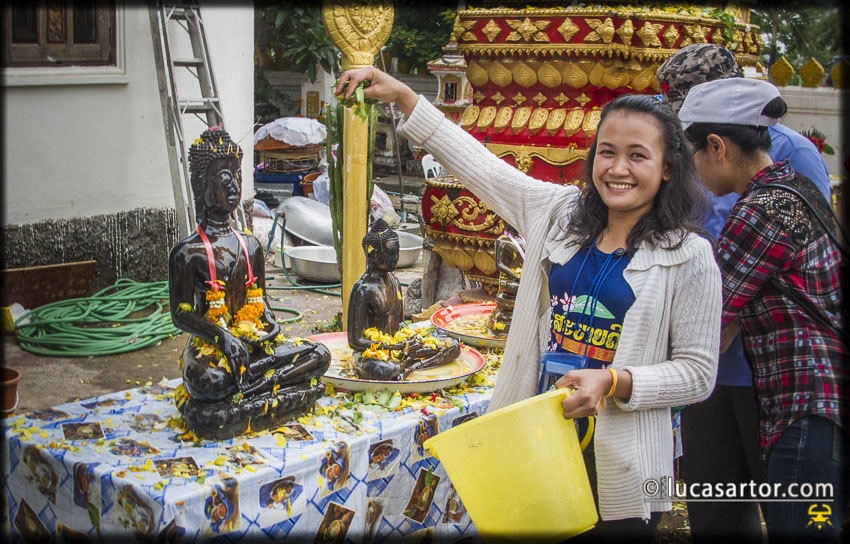
Laos, like many other Asian countries, is a place full of colorful and animated festivals, parties and celebrations held throughout the year.
Discover in this article of mine month by month when to go to celebrate with the nice Laotian people!
Laos festivals and Events