

Taipei: The Rhythm of Steam
Taipei, mid-afternoon. I walk slowly through the streets of a neighbourhood I don’t yet know, letting my gaze drift across balconies with rusted railings and plants growing patiently through the city’s concrete. The scent of incense from a small nearby temple mingles with the smell of food drifting from the street stalls scattered along the road.
Then, I hear that unmistakable sizzling sound. An intense aroma hits me out of nowhere, cutting through the noise of scooters and the constant motion of the street; my feet stop before I even realise where it’s coming from. My stomach beats the time: it’s time to eat.
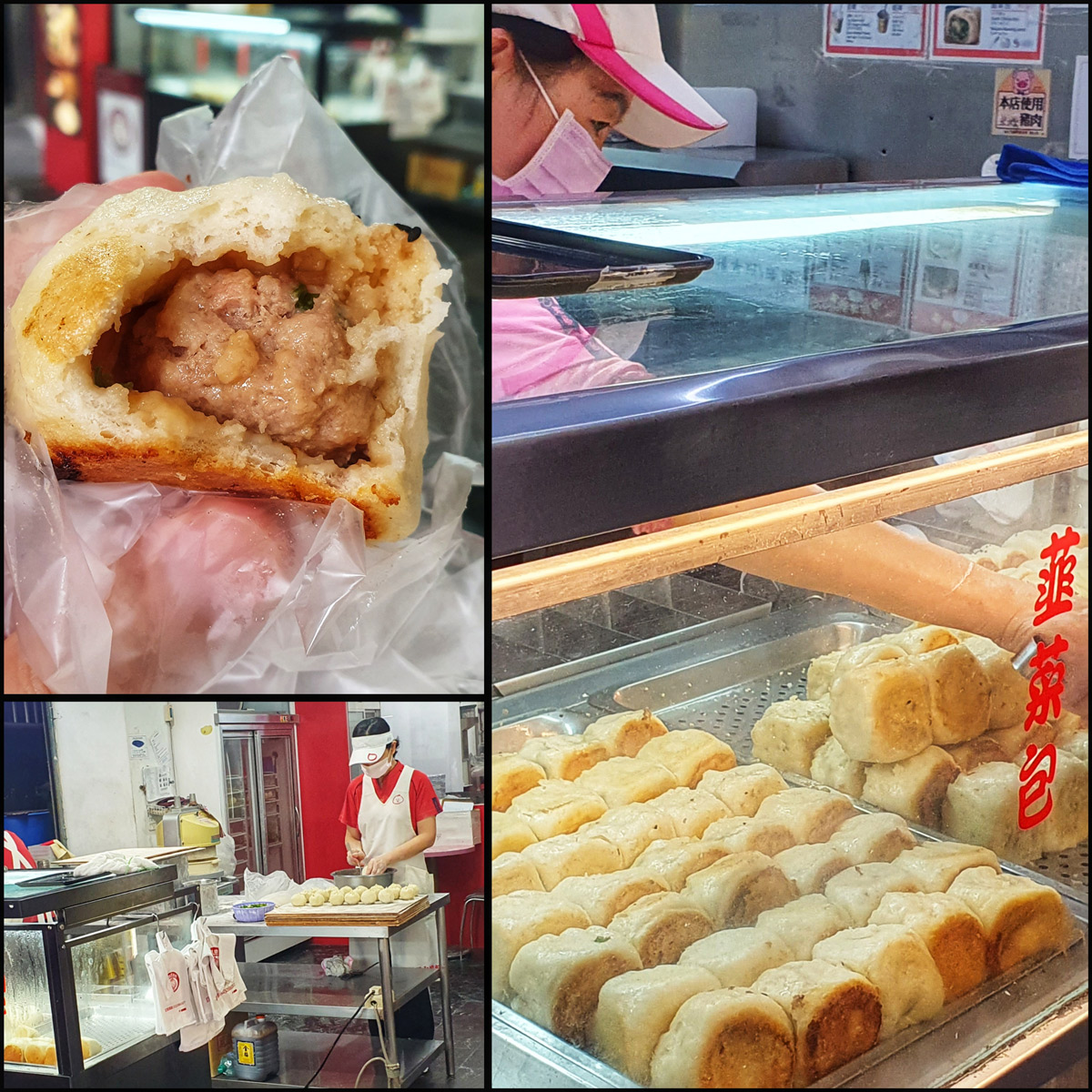
It doesn’t take much to spot it. Just ahead, beneath a small cloud rising lazily in the afternoon heat, is the little Shuǐ Jiān Bāo shop—pan-fried buns, first steamed and then seared in the pan. The perfect spot for a quick meal, to be devoured standing up while the city continues to flow past, indifferent to my hunger.
I step closer, pausing to watch the woman’s skilled hands behind the counter. They move with that silent grace belonging to those who have repeated a gesture thousands of times without ever losing their touch, shaping each bun with artisanal care as steam envelops the profile of the prepared food.
I order a couple without a second thought, my mouth watering as I wait for them to be cooked to perfection. The crackling sound of hot oil and the fragrance of the frying buns fill the air—an inviting scent that speaks without words of how flour, meat, vegetables, time, and dedication can transform into something delicious.
At the first bite, the gentle resistance of the crunchy crust gives way to the softness of the rich filling underneath. It’s a precise balance, where every element finds its place without clashing, only amplifying the others. The flavours of Taiwan seem gathered right there, compressed and enclosed in this humble, mouthwatering bun. I chew slowly, letting that heat melt in my mouth and disperse naturally.
The Shuǐ Jiān Bāo is a simple street food, yet it embodies the essence of Taiwanese cuisine: direct, welcoming, and unfiltered. It’s a dish that can be enjoyed at any time of day, whether you’re strolling through the streets or sitting in a local eatery for a leisurely meal. The Shuǐ Jiān Bāo might not be the most celebrated dish on the island, but many things don’t need fame to become special.
Taiwanese Shuǐ Jiān Bāo, also known as “water fried buns” or “steam-fried buns,” is a popular street food in Taiwan. These buns are a hybrid of two classic Chinese dishes: the steamed baozi and the pan-fried guotie.
Shuǐ Jiān Bāo are made by first steaming the buns, and then pan-frying them until the bottoms are crispy and golden brown. The filling is typically made with pork, scallions, and a variety of seasonings, and the dough is made with a combination of wheat flour and potato starch, which gives the buns their unique texture.
One of the unique features of Shuǐ Jiān Bāo is the way they are cooked. The buns are placed in a hot oiled pan with a lid on top, and a small amount of water is added to create steam. The steam cooks the top of the bun while the bottom is being fried, creating a crispy texture on one side and a soft, fluffy texture on the other.
These buns are typically served with a dipping sauce made from soy sauce, vinegar, and chili oil, which adds a tangy and spicy flavor to the savory filling. Shuǐ Jiān Bāo are often enjoyed as a snack or a light meal, and they are a favorite among locals and tourists alike.
In recent years, Shuǐ Jiān Bāo has gained popularity outside of Taiwan, and can now be found in other countries with significant Taiwanese populations. If you ever visit Taiwan, be sure to try this delicious and unique street food!