


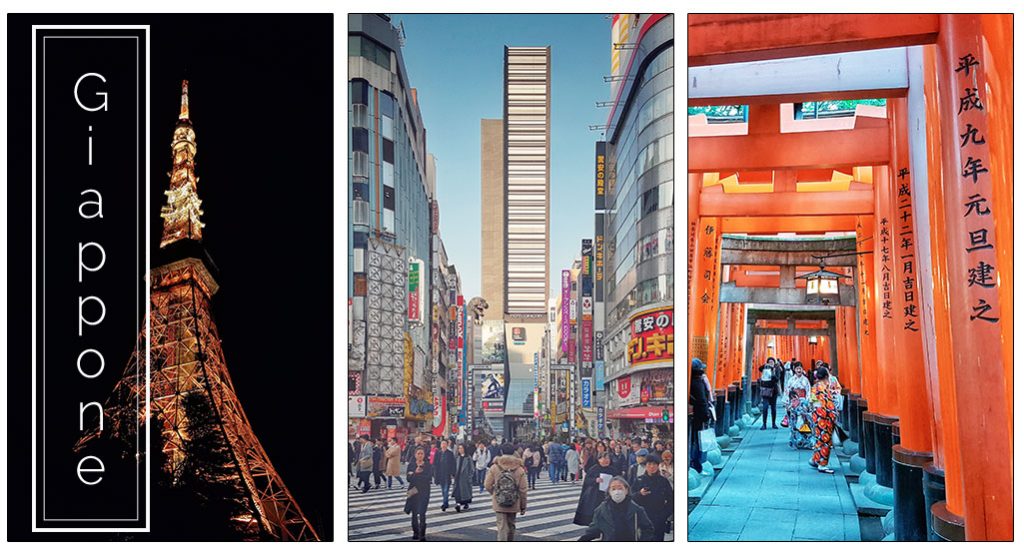
…through culture, history, food and everyday life, drawn from years of living, travelling, and experiencing this corner of Asia since 2010.
Between childhood robots and the silence of temples
Japan was a dream that remained suspended for a long time before turning into a real experience. It wasn’t a rigidly planned destination, partly because the idea of a trip here was often held back by the preconception of high costs. Over time, I discovered that, with careful planning and some flexibility in travel style, Japan can be explored without devastating your bank account.
What truly struck me wasn’t a single image, but the feeling of finding myself before a civilization crossed by a constant tension between opposites. On one hand, a thousand-year-old past that lives on in temples, gardens, and gestures preserved with almost ritualistic respect. On the other, a continuous projection towards the future, where technology and urban life seem to merge into a landscape that at times appears almost unreal. It’s a dualism I’ve encountered in other Asian countries, but one that perhaps reaches its most extreme and fascinating form in Japan.
Snow, bicycles, and the chase for spring
My first Japanese trip took me across the country, starting from Fukuoka and heading up to Tokyo. It was winter and quite cold. Snow fell slowly on the cities I encountered along the way. I remember an image that stayed with me: a girl pedaling, probably heading to the office, wearing high heels on the snowy streets. With that naturalness that seems to arise only when daily life adapts perfectly to the climate and discipline of the place.
Moving up towards the capital, the weather slowly changed. The air became milder, and after staying for a while, the first signs of cherry blossoms began to appear. It was also the moment I realized a very practical aspect of the trip: accommodation prices were rising almost day by day as the peak tourist season approached, forcing me to move on to protect my finances a bit and continue exploring elsewhere.
The measure of emotions and the contrasts of time
Observing the people, I got the impression of a human character built on measure and discretion. The Japanese people I met seemed to me among the most courteous and respectful in the world, but also among the hardest to read emotionally. There isn’t the noisy expansiveness found elsewhere, yet there is a profound kindness, made of small gestures that speak without raising their voice. I didn’t perceive them as a particularly exuberant people, but rather as a society that has learned to contain emotions within a form of daily balance.
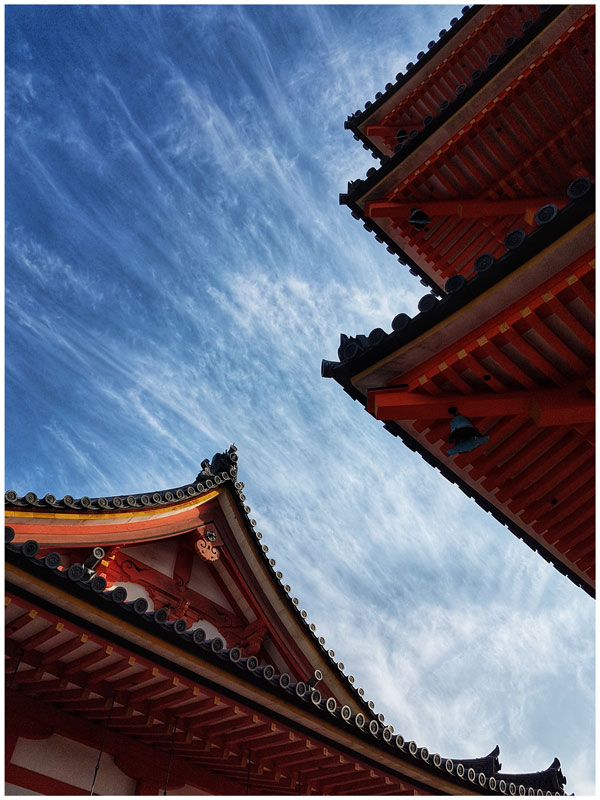
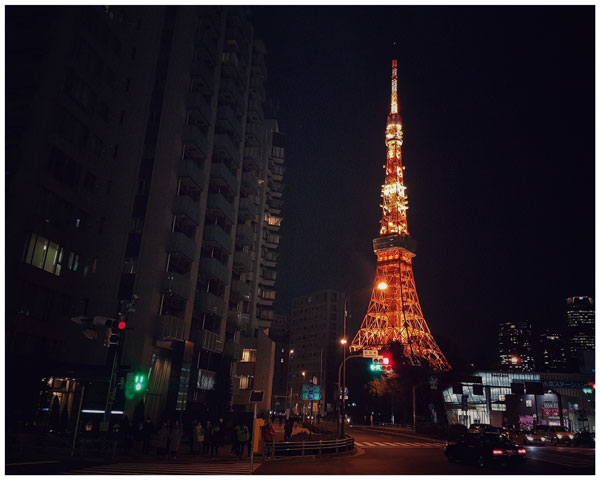
Traveling in Japan means crossing very different territories in the space of a few kilometers and a few hours by train. Kyoto and Nara guard the historical soul of the country, with ancient temples immersed in gardens that seem designed to teach patience to the visitor. Tokyo, on the other hand, is a living, ceaseless organism, where the light of the commercial districts almost erases the distinction between day and night. The rural and mountainous areas offer yet another experience: long silences, clustered villages, and landscapes that seem to move according to a different time than that of the metropolises.
Childhood dreams, izakayas, and the sacredness of food
I remember my first time in Akihabara, getting lost among model shops and objects that belonged to my childhood memory, and the thrill of seeing the Gundam Unicorn up close in Odaiba, a gigantic figure dominating the bay like an icon suspended between pop culture and collective imagination. It’s not just a tourist attraction: it’s the materialization of a dream that many children, who grew up watching anime and giant robots, carry inside without knowing it.
The evenings in Osaka’s izakayas remain among the most human moments of the trip. Warm sake drunk slowly during the winter, exchanging a few words with locals. The murmur of low conversations, the feeling of belonging for a few hours to a community of strangers sharing food and time before returning to their own lives.
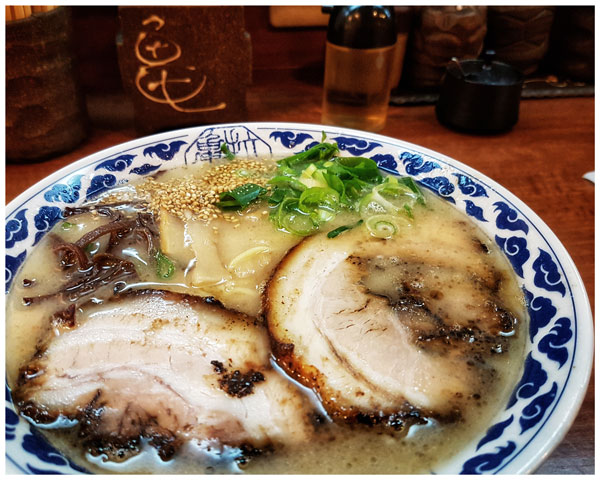
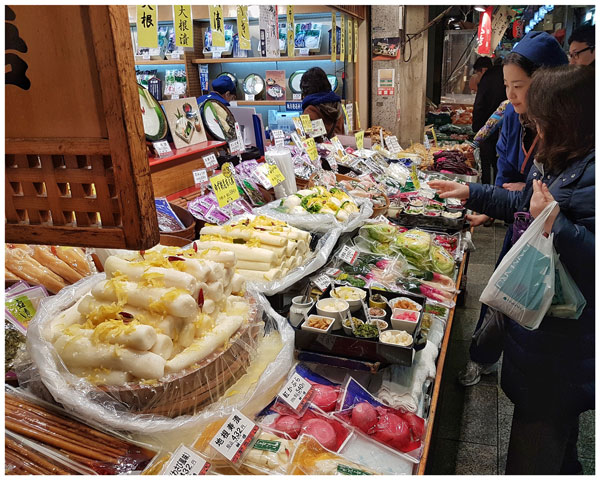
And then there is Japanese food, which doesn’t need to be talked about at length. It lives in the precision of the gestures, the quality of the raw materials, and the almost silent, artistic dignity with which every dish is constructed and offered. Eating in Japan means watching care turn into a sensory experience, as if cooking were a way to express respect for life itself.
Curated experiences: what not to miss in Japan, according to me
Based on the places where I’ve been so far
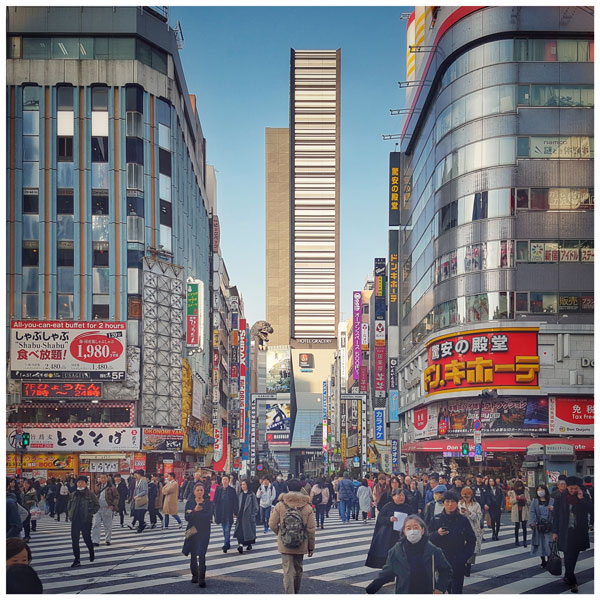
Tokyo: Neon, Mecha, and Skyline: The capital is an immense megalopolis, but incredibly quieter and more orderly than you might expect. Get lost in the Akihabara district if you are a fan of anime or manga. Don’t miss the most famous pedestrian crossing in the world (the Shibuya Scramble), go up the Tokyo Skytree (the tallest building in the country) for a crazy view, and head to Odaiba to admire the 1:1 scale reconstruction of the fantastic Gundam Unicorn.
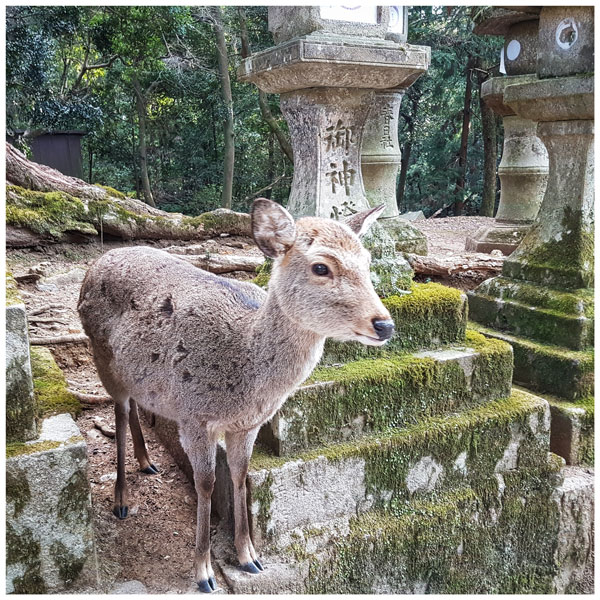
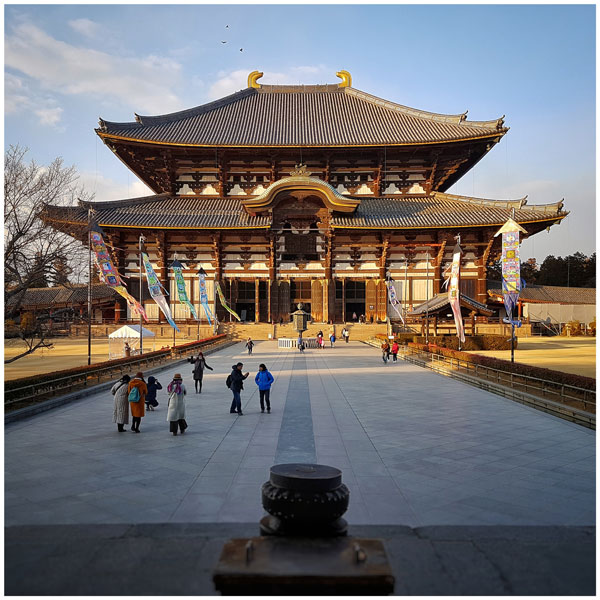
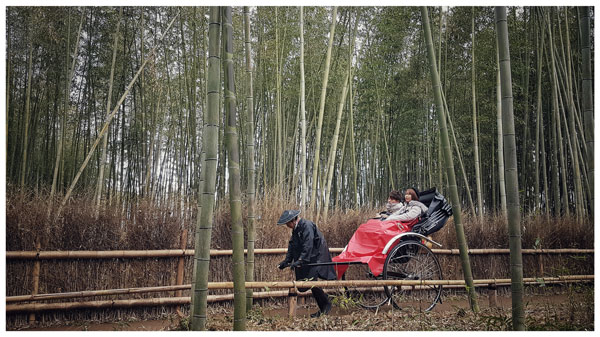
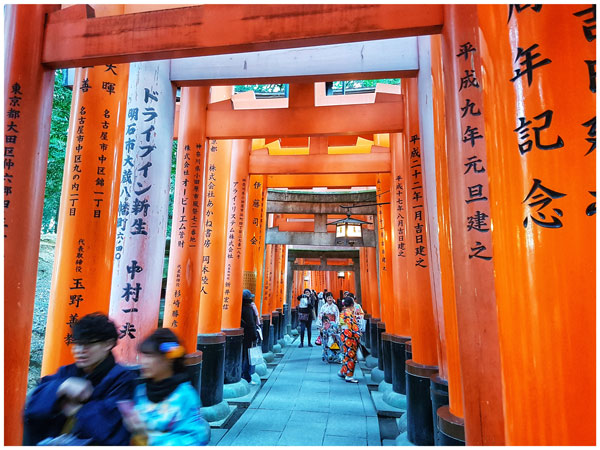
The ancient soul of Kyoto and Nara: Kyoto is an absolute must-see: rent a kimono and stroll among thousands of temples, zen gardens, and bamboo forests. A short distance away is Nara, an ancient capital, where you can walk among thousand-year-old temples and hundreds of sacred deer roaming free in the parks (you can pet them, but they are mostly after your food!).
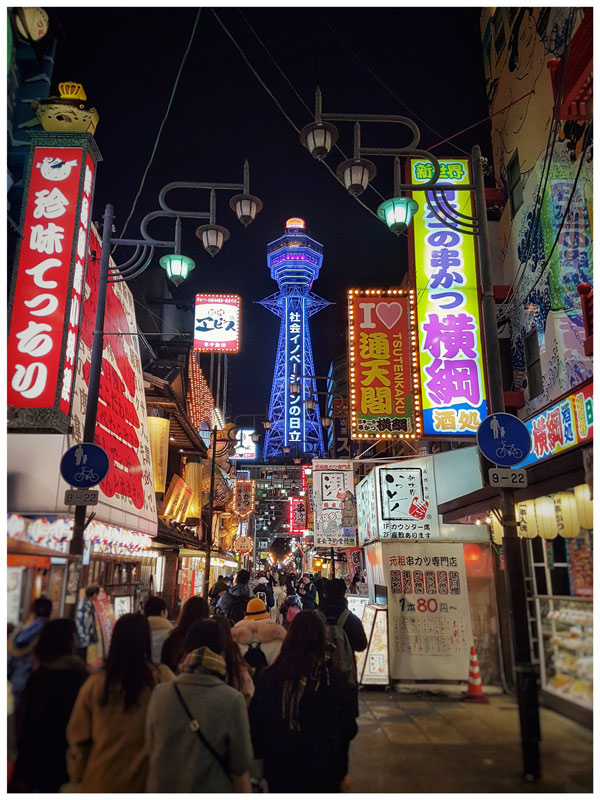
The ritual of food and the night (Osaka and Fukuoka): Japanese food is legendary. Visit Osaka, the “kitchen of Japan,” famous for its street food and crazy nightlife among the neon lights of the Dotonbori canal. If you head south to Fukuoka, you absolutely must try their famous Hakata Ramen. And wherever you are, spend an evening in a typical Izakaya (local tavern) and then finish in style by belting out songs in a karaoke booth!
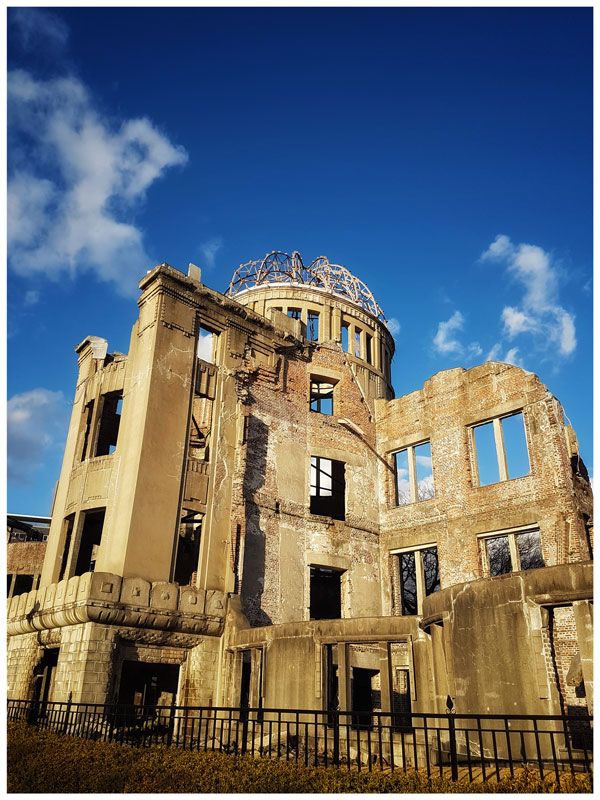
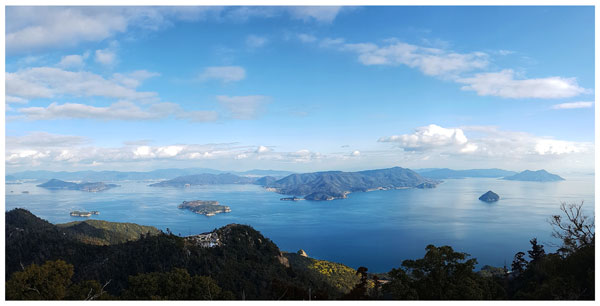
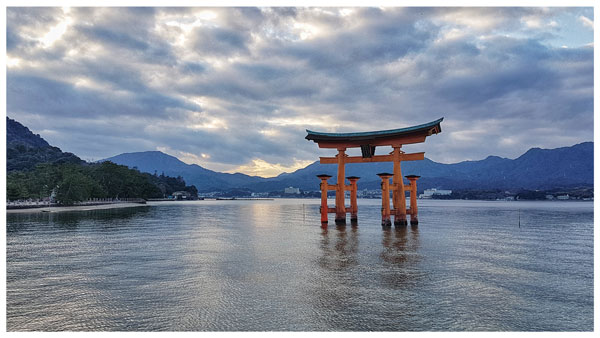
Memory and peace (Hiroshima and Miyajima): Hiroshima, famous for its tragic history, is today a peaceful and vibrant city. Visit the touching Peace Memorial Museum. From here, take a day trip to the island of Miyajima (Itsukushima), famous for its giant red gate (torii) floating on the water, and climb Mount Misen for a breathtaking view of the Seto Inland Sea.
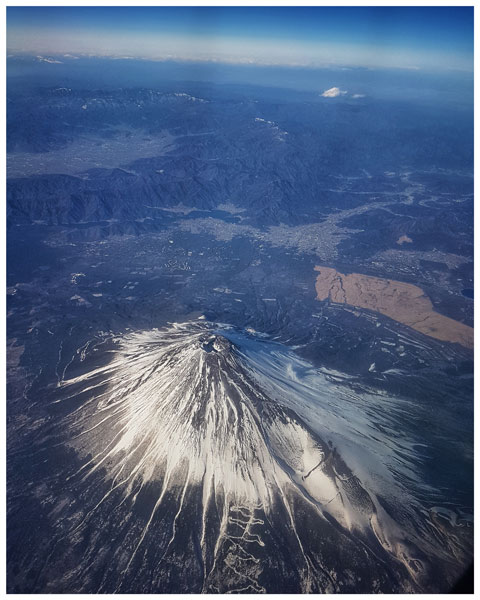
The Japan of trains and Fuji: Buy a bento (lunch box) and take a trip on the Shinkansen, the super-fast bullet train. If the sky is clear, look for the perfect silhouette of Mount Fuji, the absolute icon of the country: you can climb it in the summer or admire it from the nearby Lake Kawaguchiko or the iconic Chureito Pagoda.
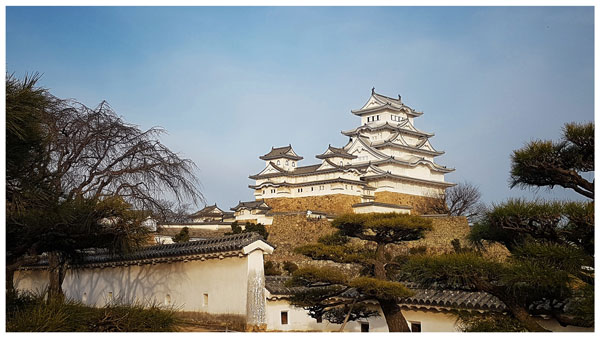
Samurai Castles and traditional sleep: Stop in Himeji for a single, very valid reason: to observe the largest and best-preserved feudal castle in Japan (the “White Egret Castle”). Finally, do not leave the country without experiencing at least one night in a Ryokan, the traditional Japanese inn, sleeping on tatami mats after a hot bath.
Some info about Japan:
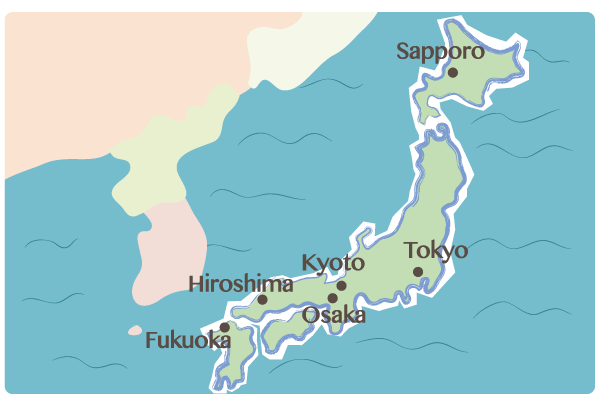
Some info about Japan:
Capital of Japan: Tokyo.
Population: 124 millions
Official Language: Japanese
Currency: Yen.
Calling Code for Japan: +81
Tourist Visa: Italian citizens enjoy a free and automatic visa exemption upon arrival, valid for tourist stays of up to 90 days. Your passport must simply be valid for the duration of your stay. It is highly recommended to fill out the online form on the official Visit Japan Web site before leaving to speed up customs and immigration procedures at the airport!
Connectivity and Transport: You can buy a tourist SIM card at the airport or, much more conveniently, install an eSIM on your phone before leaving. The internet is fast and reliable. Public transportation borders on absolute perfection for punctuality and cleanliness.
N.B. Always check official channels before leaving for any last-minute regulatory updates!
Japan, when to go?
The country has a climate very similar to Italy’s, with four distinct seasons.
The perfect shoulder seasons (March – May / September – November): Spring and autumn are absolutely the best times to visit. In spring, you can witness Hanami (cherry blossom viewing), while in autumn, Momijigari (hunting for red maple leaves) colors the temples spectacularly. Warning: these are peak tourist seasons, so book everything months in advance!
Summer (June – August): Extremely hot and oppressive due to the very high humidity. Between June and July, there is often a rainy season (tsuyu). However, it is the time of the great traditional festivals (matsuri).
Winter (December – February): Cold and dry. Perfect for enjoying outdoor hot springs (onsen) and skiing in the fantastic snows of the north (Hokkaido), or for visiting the cities with fewer crowds and crystal-clear skies.
Japan: Visual Archive
These images are a small selection from a larger archive built over years of documenting Japan through its landscapes, communities, food culture and the details that rarely make it into guidebooks.
If your project requires imagery or destination knowledge from a specific region, subject or visual perspective, I’d be happy to discuss how I can help.
Available for travel brands
These stories, photographs and field notes are part of a wider archive built through years of living in and experiencing Asia.
I work with travel brands, tour operators, DMCs and creative teams to develop destination narratives, research and content that go beyond standard itineraries.