


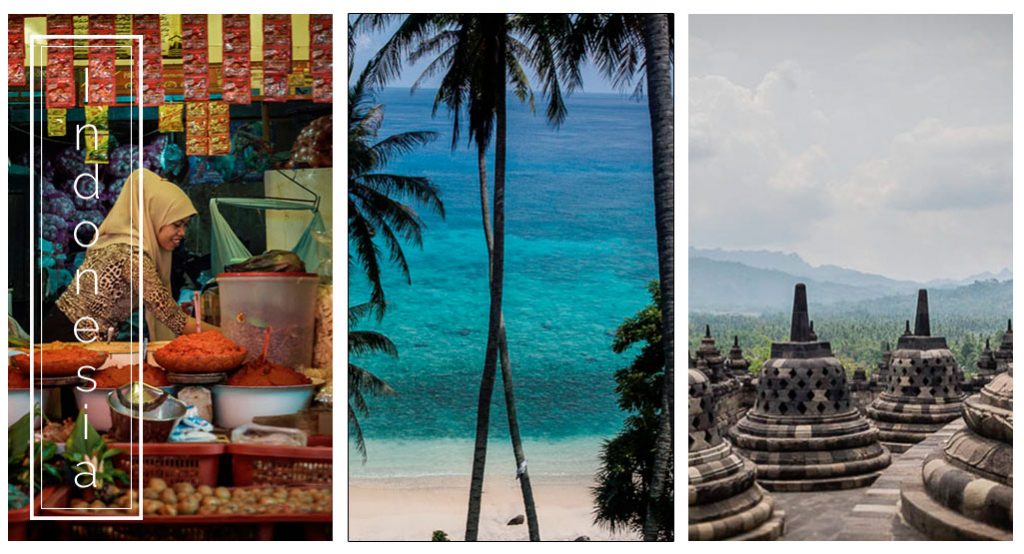
…through culture, history, food and everyday life, drawn from years of living, travelling, and experiencing this corner of Asia since 2010.
The infinite archipelago: Indonesia is not just Bali
Indonesia is a universe composed of an infinity of islands: just to explore the most significant ones would take months, perhaps years, and continuous returns. It is an immense country, among the most populated in the world, and possesses a cultural, linguistic, and landscape stratification that is hard to find anywhere else.
One thing I always repeat is this: Indonesia is not Bali. Bali is only a gateway, the most famous and probably the most talked about, but the archipelago goes far beyond that island. Those who stop exclusively there risk taking home a very partial idea of a complex and profoundly varied world.
With over seventeen thousand islands, many shaped by the breath of volcanoes, Indonesia constantly changes its face. Some areas are difficult to reach and require patience when moving around. Traveling here means accepting a different rhythm, definitely a slow one.
I haven’t explored the entire archipelago, but I have traveled across Sumatra, Java, and Bali, trying to listen to the differences that separate and at the same time unite these lands.
Sumatra in the haze and the refuge of Canggu
Bali remains the most well-known island. Its culture is something profoundly unique in the world, an intertwining of spirituality, art, and daily life that permeates every corner of the island. I also spent some time in Canggu, living for a month near the beach and the ocean to put my thoughts and steps back together, letting time slow down enough to allow things to fall back into place.
But the wonders of Indonesia don’t end there.
I remember a trip across Sumatra, from south to north, during a period when oil palm fields were being burned. For days, the air hung suspended in a cloud of smoke that made it difficult to see the horizon. It wasn’t a pleasant experience, but it was part of the reality of that territory and showed me a harsher side of traveling.
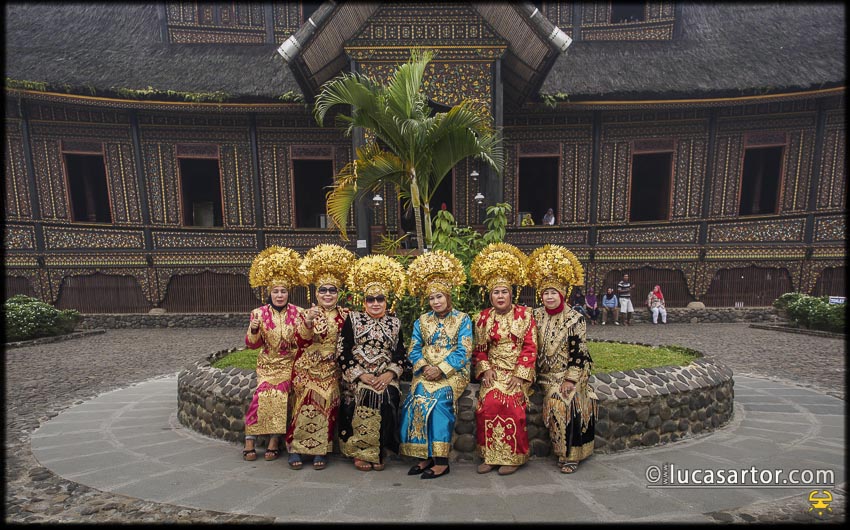
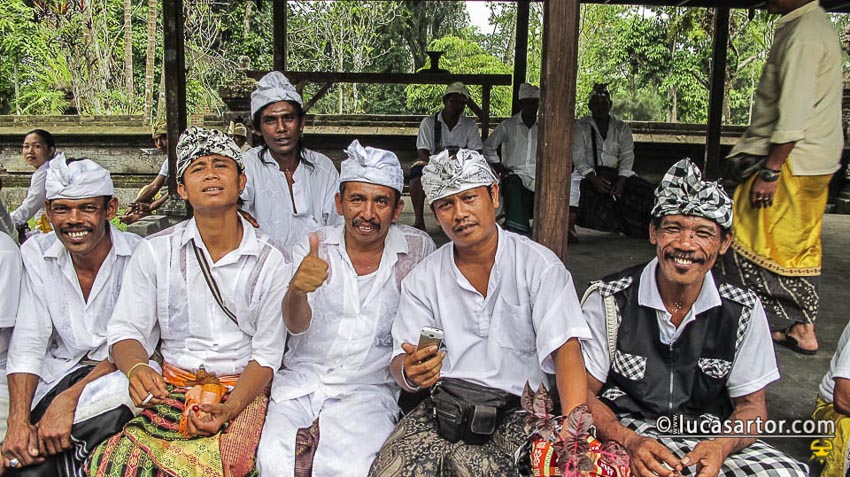
And then there are the people. In Indonesia, a smile is almost a spontaneous language. It wasn’t uncommon for me to be stopped on the street by groups of people asking to take a picture together. It was never just a photo: shortly after, the questions, the laughter, and the small conversations born without formality would begin, as often happens in places where hospitality is still a natural gesture.
Jakarta: legendary traffic and genuine hospitality
Jakarta showed me another face of the country. The city’s legendary traffic is not a myth: it is a physical, slow, suffocating experience, made of hours spent almost motionless inside an urban flow that never seems to want to start again.
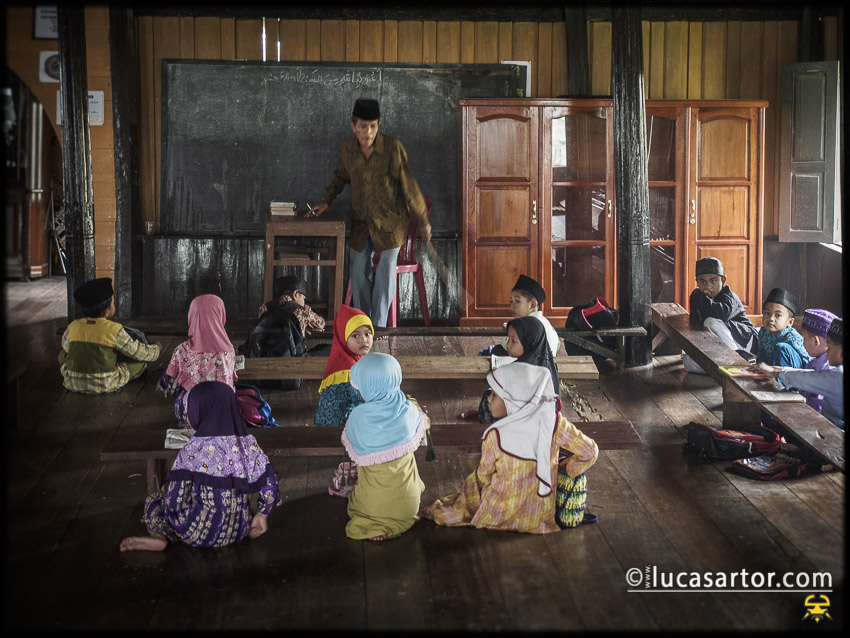
I fondly remember a Couchsurfing experience in a suburban neighborhood of the capital, hosted by a local girl. It was an area far from the tourist circuits; walking there meant stepping right into the daily life of the community: children playing along the street, small shops open without any rush, people sitting outside their houses talking in the late afternoon. There was nothing attractive in a touristy sense, yet that very normality seemed to me one of the most precious parts of the trip. Just being inside the day of those people, observing and sharing a fragment of their existence, made me realise how often the real journey happens far from the most talked-about places.
Indonesia is immense, stratified, complex. The more I travel through it, the more I discover how religion, art, daily life, and landscape intertwine without ever completely dissolving into one another.
Curated experiences: what not to miss in Indonesia, according to me
For now, these are the places I have explored and can recommend:
The wild soul of Sumatra: A gigantic and adventurous island. Push deep into the jungle of Bukit Lawang to discover how the magnificent orangutans live (and survive) in their natural habitat. Relax on the shores of the volcanic Lake Toba, discover the unique culture of Berastagi, or go snorkeling in the crystal-clear waters of Pulau Weh, visiting “Kilometer Zero”, the northernmost point of Indonesia. And don’t forget to taste the legendary (and incredibly spicy) food of Padang!
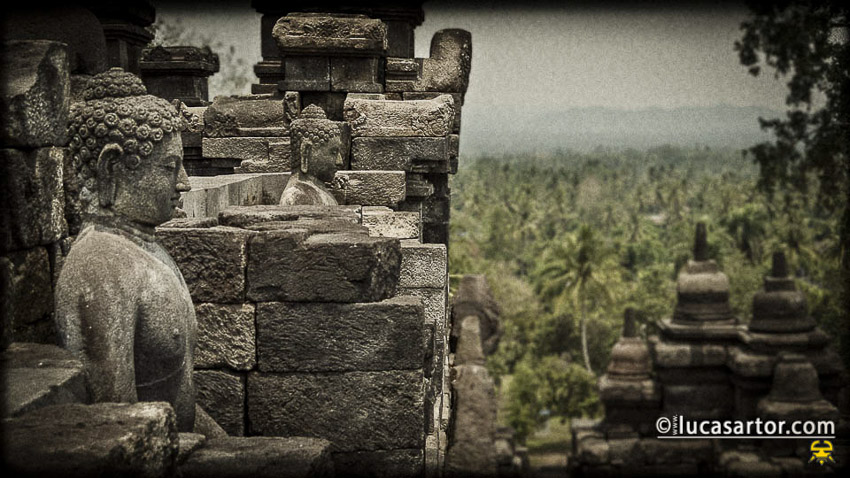
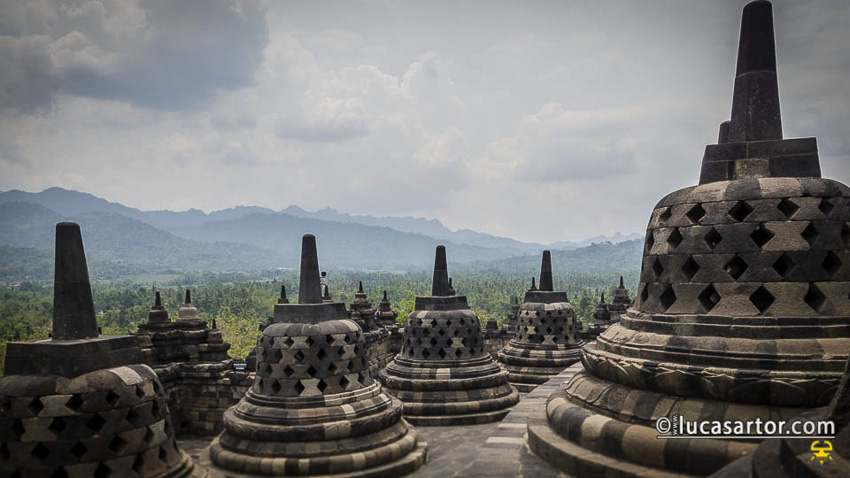
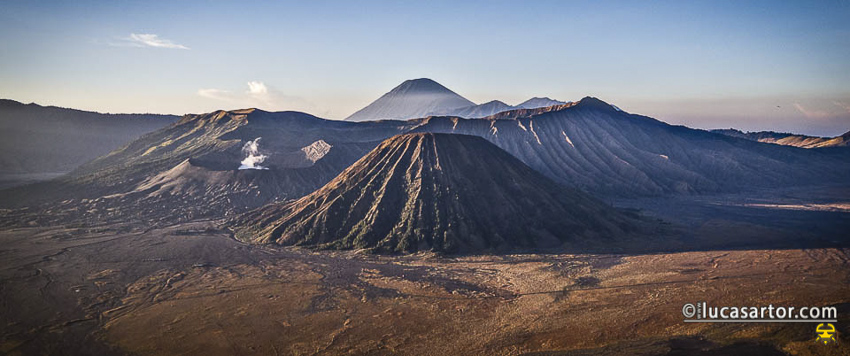
The Earth’s breath in Java: Java is the main island, densely populated and full of contrasts. From the chaotic and modern capital Jakarta, move towards Yogyakarta, the cultural heart of the island. Rent a scooter to get lost in the surrounding countryside until you catch the sunrise at the Borobudur temple, one of the largest and most important Buddhist complexes in Asia. And for an adrenaline-fueled experience, explore the lunar landscapes and smoking volcanoes of Mount Bromo and Ijen.
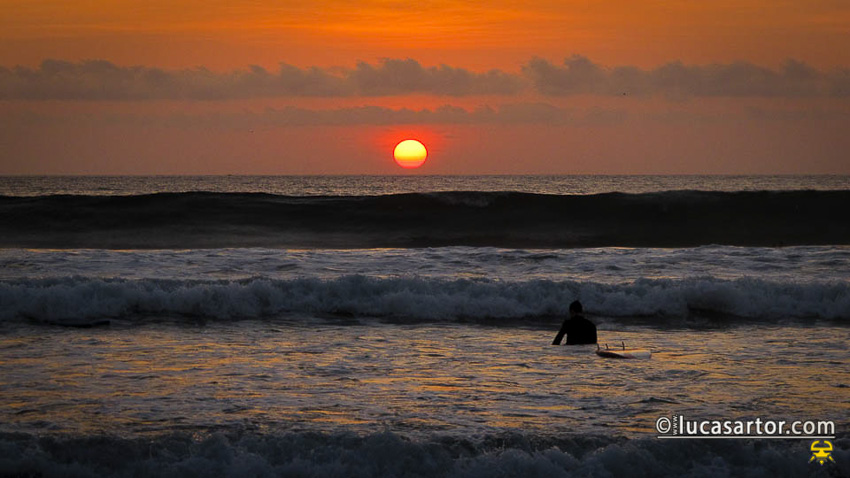
The contrasts of Bali: The Island of the Gods is the most famous and most frequented by tourists from all over the world. You will find corners of paradise and a unique Hindu culture, but also areas now completely overrun by mass tourism. Rent a surfboard and ride the waves in Canggu, get lost among the rice paddies, or witness the hypnotic Kecak dance and the mysticism of a ceremony in the temples around Ubud.
My advice: The country is inhabited by a population with an extremely sociable, curious, and welcoming culture. Stopping to chat with the locals to discover a bit more about their daily lives and their way of living is a profoundly enriching experience. I recommend it to everyone: it is the true heart of a trip to these parts.
Some info about Indonesia:
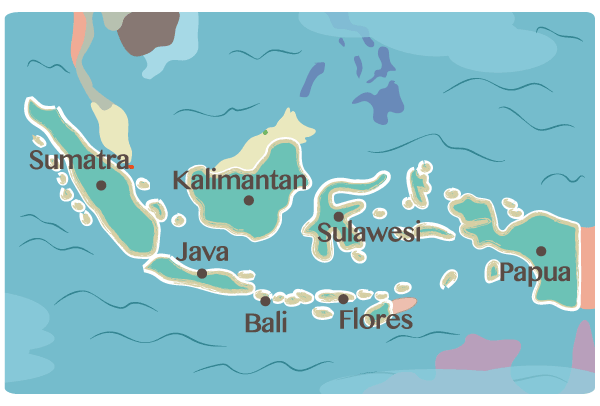
Capital of Indonesia: Jakarta
Population: 280 millions
Official language: Bahasa Indonesia (+700 regional languages)
Currency: Indonesiana Rupiah
Calling Code: +62
Tourist Visa – CRUCIAL UPDATE: The old free visa no longer exists. Today, you need to apply for a Visa on Arrival (VoA) upon arrival at the airport, or conveniently online before leaving (e-VoA). It costs 500,000 IDR (about 30-35 Euros), lasts 30 days, and can be extended for another 30 days at a local immigration office. Your passport must strictly have at least 6 months of remaining validity.
Connectivity and Transport: Buying a local SIM card is very easy in shops or at airports. If you are traveling across different islands, Telkomsel is the undisputed operator with the best national coverage. Wi-Fi is widespread in hotels and restaurants, but the quality drops drastically as soon as you leave tourist hubs or change islands.
N.B. Always check official sources before leaving for any last-minute updates!
Indonesia, when to go?
Indonesia is crossed by the equator and has a hot, humid tropical climate all year round, but the monsoons dictate the rules:
The dry season (May – September): This is absolutely the best season to visit the archipelago. The days are hot, sunny, and the humidity is (relatively) more bearable.
The rainy season (October – April): It rains often, with heavy afternoon downpours that can make boat travel or volcano trekking difficult.
The exceptions (Sumatra and Sulawesi): These islands have unique microclimates. In Sumatra, for example, peak rainfall is often recorded between October and January/February.
Indonesia: Visual Archive
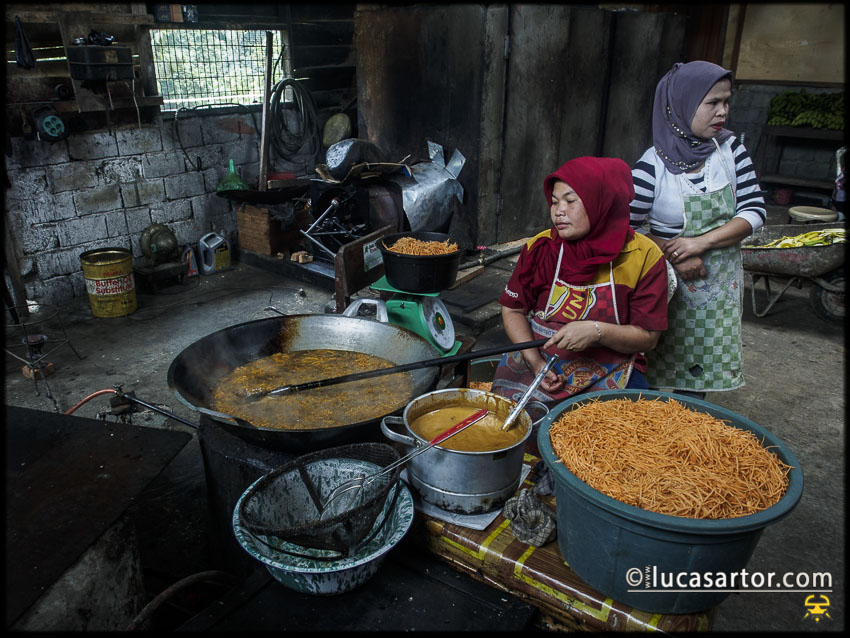
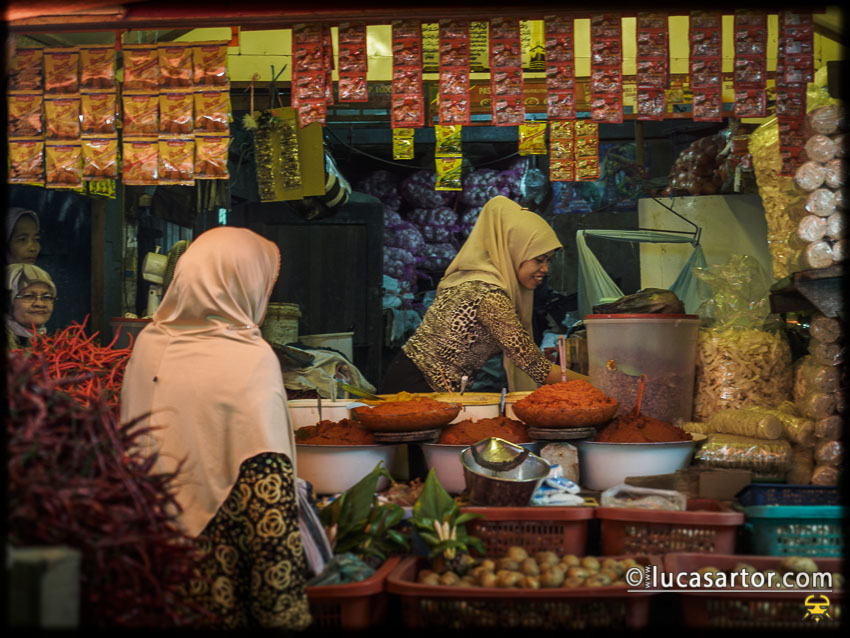
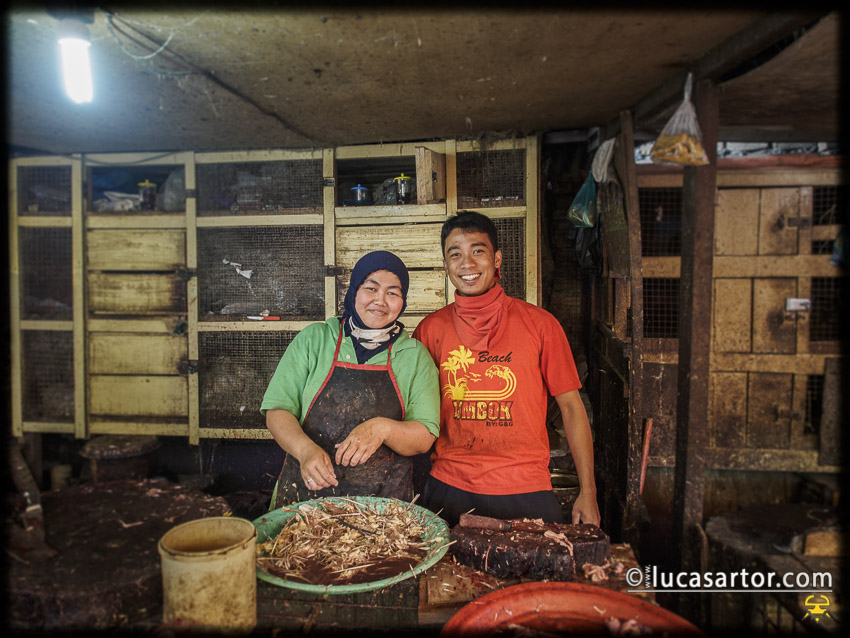
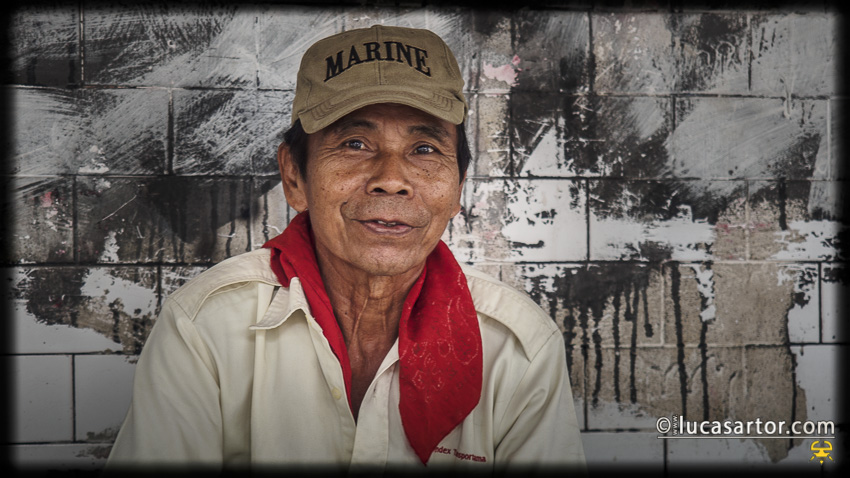
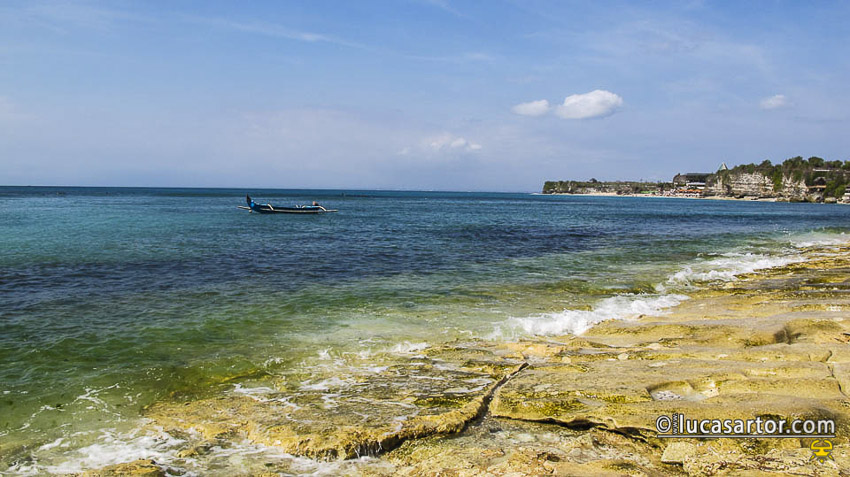
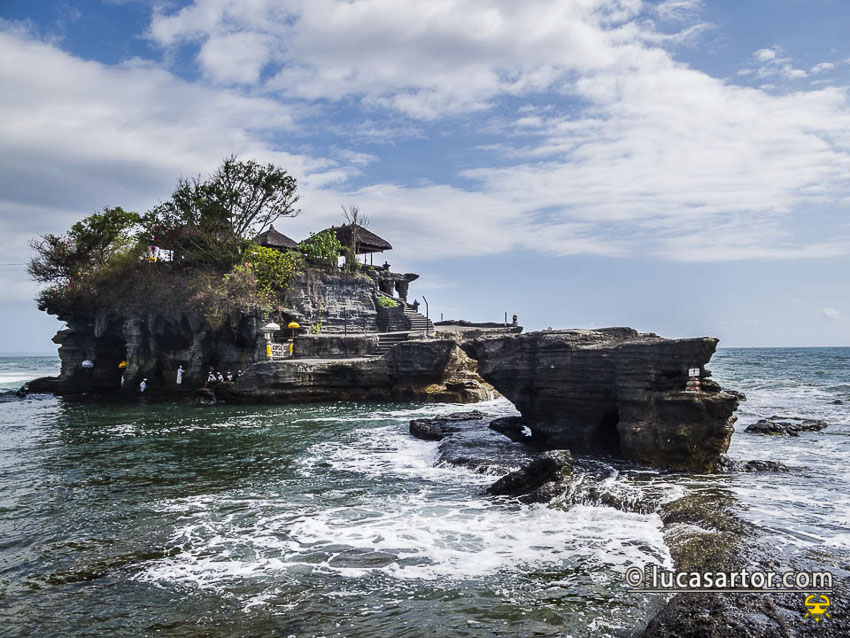
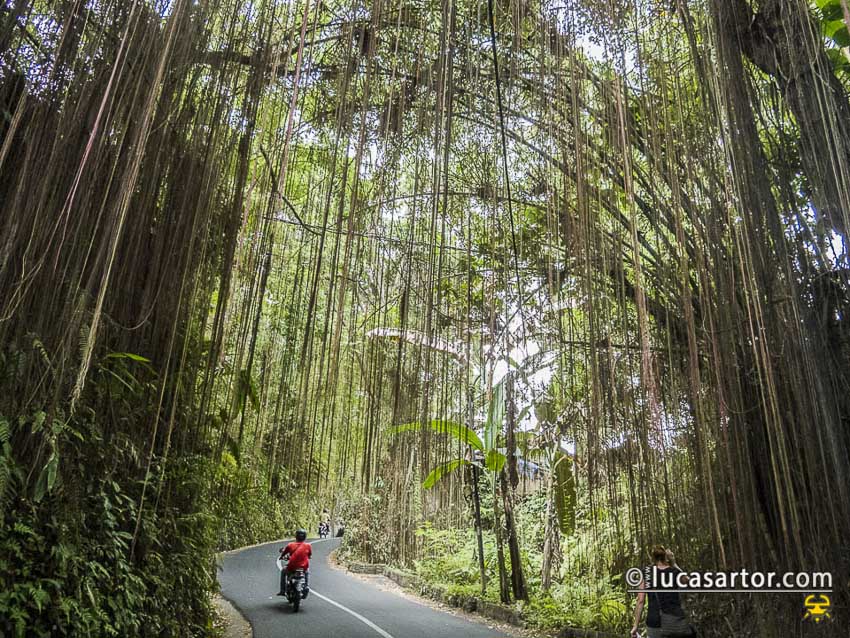
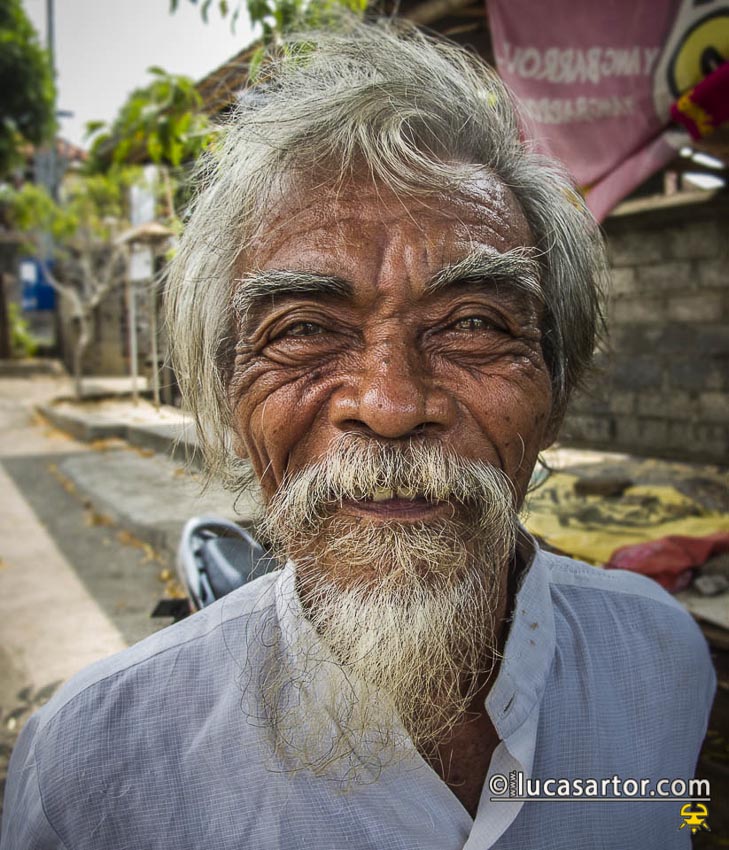
These images are a small selection from a larger archive built over years of documenting Indonesia through its landscapes, communities, food culture and the details that rarely make it into guidebooks.
If your project requires imagery or destination knowledge from a specific region, subject or visual perspective, I’d be happy to discuss how I can help.

Available for travel brands
These stories, photographs and field notes are part of a wider archive built through years of living in and experiencing Asia.
I work with travel brands, tour operators, DMCs and creative teams to develop destination narratives, research and content that go beyond standard itineraries.