


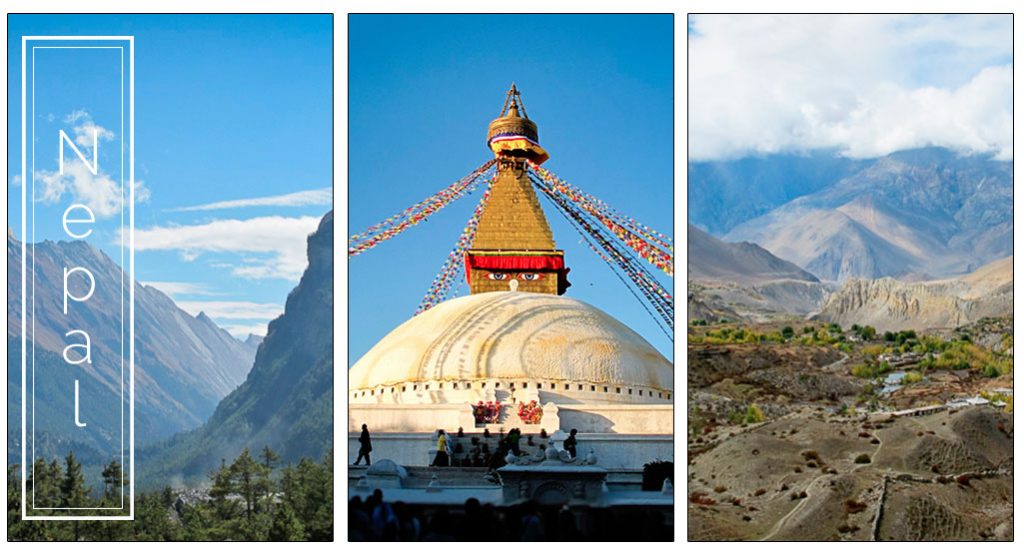
…through culture, history, food and everyday life, drawn from years of living, travelling, and experiencing this corner of Asia since 2010.
The breath of the Himalayas: from one world to another
Nepal is one of those places capable of putting everything back into perspective. It doesn’t take much to feel tiny before the sheer scale of nature and the profound spirituality that runs through this country. Many know it as the paradise of Himalayan trekking, and certainly its mountains dominate the imagination of those who dream of high-altitude trails, but reducing Nepal to its peaks would be a mistake. There is much more beneath those clouds.
I explored this fantastic place several years ago, entering from India after one of the most surreal border crossings I’ve ever experienced. Behind me lay the traffic, the dust, and the continuous noise of the Indian streets. Before me suddenly appeared green hills, flowers along the road, and a silence pierced only by birdsong. Well… perhaps memory makes it a bit more romantic today than it actually was, but the feeling of passing from one world to another was overwhelming.
My first trip to Nepal was an adventure right from the start. The bus was so full that the only available seat was on the roof. So I found myself sitting up there, among sacks, luggage, and other passengers, while the vehicle slowly climbed through curves and valleys. One of those moments that, years later, remains among my most vivid memories.
Tansen and the magic of unexpected encounters
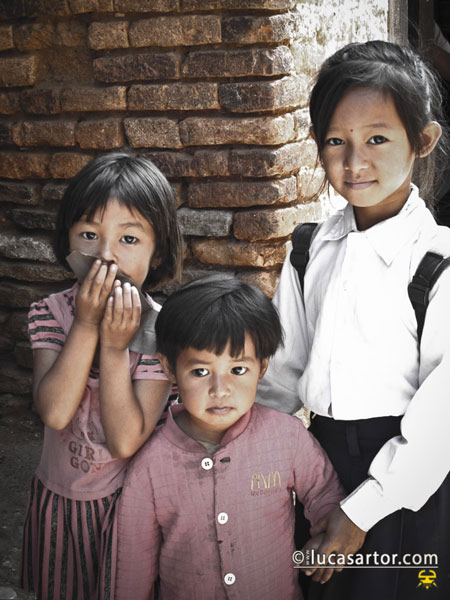
You often meet people of spontaneous kindness. I remember a day in Tansen. I was with a friend, we were hiking in the hills outside the village, and we stopped to rest at a small viewpoint. A group of local kids was playing not far away. They were singing, laughing, dancing together. At a certain point, they took out their snacks and, with absolute naturalness, came over to share them with us. Those smiles and curious eyes had something familiar about them, as if we had known each other forever.
The motionless peaks and the heart of Kathmandu
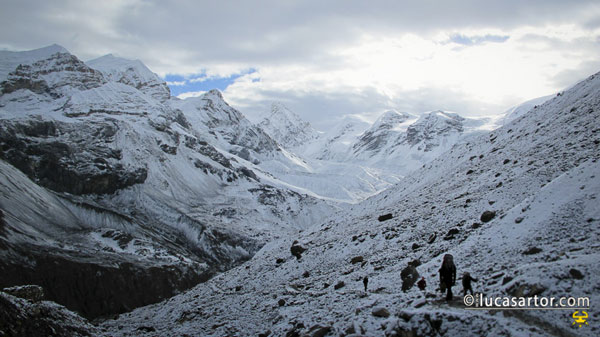
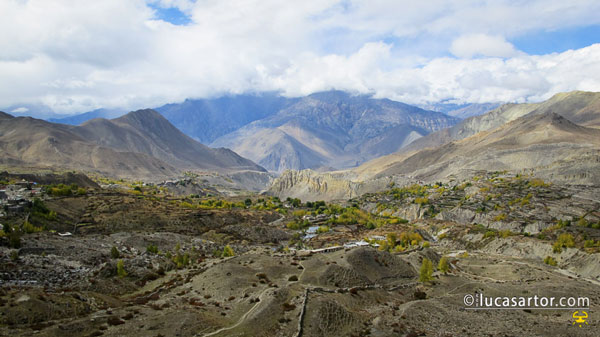
Then there are the Himalayas, of course. There, time changes consistency. Days turn into long walks through stone villages and trails suspended in the mountains, until you reach passes where everything seems motionless and yet full of life at the same time. I remember the Thorong La, one of those places where the wind blows through prayer flags and the whole world seems to breathe slowly.
Traveling in Nepal also means accepting rhythms that test your patience. Hours and hours on the road to cover distances that seem ridiculous on the map. I remember the journey from Pokhara to Kathmandu—endless, curve after curve through mountains and valleys. And then the arrival in the capital: the first impression was of being back in India, only to discover later that Kathmandu possesses a character all its own.
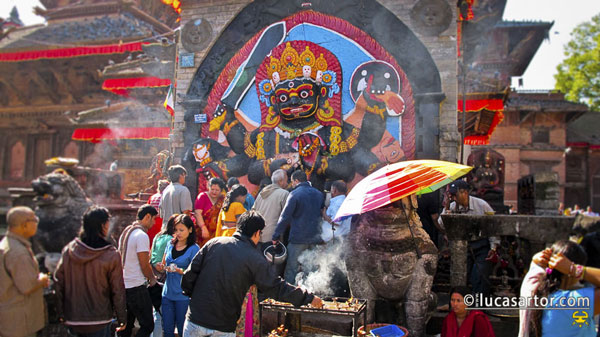
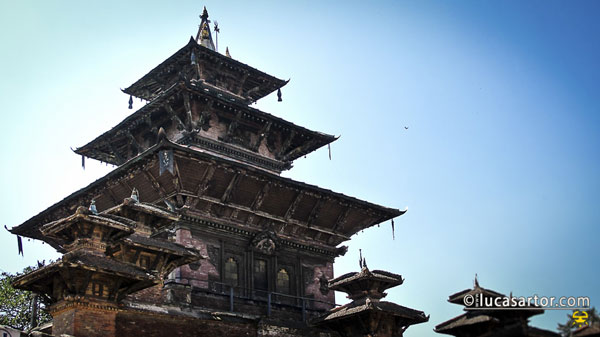
In the heart of the city, framed by Durbar Square, you walk among ancient temples, carved wooden pagodas, and courtyards where daily life continues amid vendors, worshippers, and motorcycles slowly passing between historical buildings. It is one of those places where you just need to stop for a few minutes to understand that spirituality here is something that runs through everyday life.
Between the prayer flags fluttering in the mountain passes, the vibrant chaos of Kathmandu, and the serene days in Tansen or Pokhara, Nepal offers something that is increasingly difficult to find elsewhere: a real break from the constant noise of the modern world.
Curated experiences: what not to miss in Nepal, according to me
The two souls of Kathmandu: Explore the sparkling and chaotic capital. Although the traffic and smog can be intense, it is an incredibly rich city culturally, where Hinduism and Buddhism merge. Get lost in its alleys, hidden courtyards, and the scent of incense that makes it strangely relaxing.
The stone giants: Most travelers land in Nepal to tackle a trek in the Himalayas. From the famous Everest Base Camp and the Annapurna Circuit to the more mystical and remote routes like the Manaslu Circuit and Upper Mustang.
The reflection of the Himalayas in Pokhara: The country’s second destination, Pokhara is a quiet town nestled on a lake, perfect as an urban “base camp” to relax before or after treks. Enjoy the breathtaking views of the Annapurna or go paragliding over its placid waters.
The ancient royal cities: In the Kathmandu Valley, don’t miss Bhaktapur and Patan, wonderful examples of traditional Newari architecture, famous for their Durbar squares full of ancient carved wooden temples.
In the Southern jungle: In Chitwan National Park (a UNESCO World Heritage site), the scenery changes drastically. Join a safari in search of Indian rhinos, crocodiles, and, if you’re lucky, the elusive Bengal tiger.
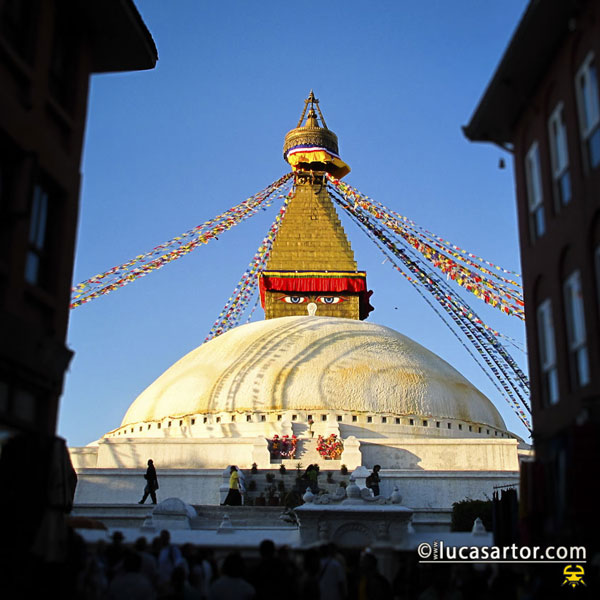
The watching eyes: Visit the many Hindu temples and the enormous Buddhist stupas (like Boudhanath or Swayambhunath): the large eyes of the Buddha painted at the top of the structure will peacefully watch you from every direction.
The art of patience: Learn to draw a Thangka, the sacred Tibetan Buddhist paintings of geometric precision, in one of the traditional drawing schools hidden in the capital.
In the footsteps of Siddhartha: Head south to Lumbini, near the Indian border, to visit the exact sacred place where Gautama Siddhartha, the Buddha, was born.
Some info about Nepal:
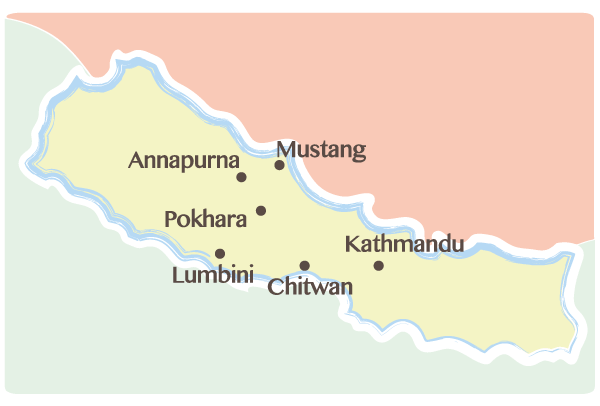
Capital of Nepal: Kathmandu
Population: 31 millions.
Official language: Nepali, Maithili and Bhojpuri, and othe languages like English.
Currency: Nepalese rupee
Calling Code: +977
Tourist Visa: You can easily get it upon arrival at Kathmandu airport (Visa on Arrival). It lasts for 15, 30, or 90 days, and the cost varies based on the length of stay. It is usually paid in cash (bring US Dollars or Euros). Your passport must have at least 6 months of validity and a couple of blank pages.
Connectivity and Transport: Buying a local SIM card is vital for trekking. You can get one directly at the airport by presenting your passport and a passport-sized photo. Rely on Ncell or Nepal Telecom (NTC), which have the best coverage even in the mountains. Wi-Fi is available and decent in almost all city restaurants and hotels, but it disappears as you go higher in altitude!
N.B. Always check official channels before leaving, especially for rules on trekking permits (TIMS), which are frequently updated by the Nepalese government!
Nepal, when to go?
The weather in Nepal is everything, especially if you want to see the mountains.
The perfect autumn (October – December): This is absolutely the best time. The monsoon rains have washed the dust from the sky, ensuring perfect visibility of the peaks and pleasant temperatures.
Winter (January – February): The skies are clear but it gets very cold, especially at high altitudes. High-altitude treks become extreme.
Spring (March – May): A great time for trekking. It gets warmer and the rhododendron forests bloom, coloring the mountains, although by May the humidity starts to become heavily felt.
The Monsoon (June – September): Best avoided if you want to trek or see the peaks: it rains heavily, the trails are slippery (and full of leeches!), and clouds constantly cover the Himalayas.
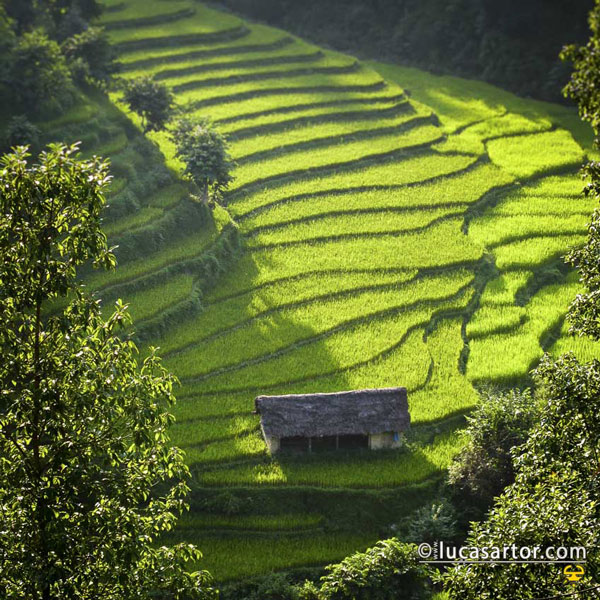
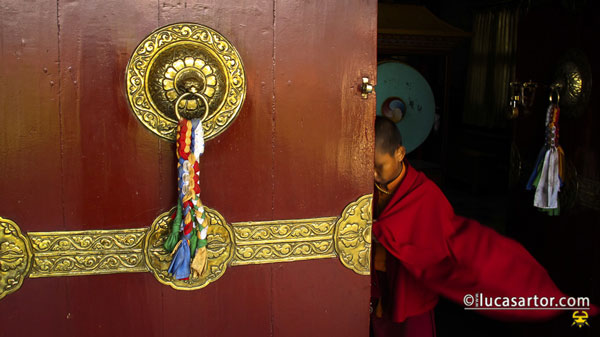
Nepal: Visual Archive
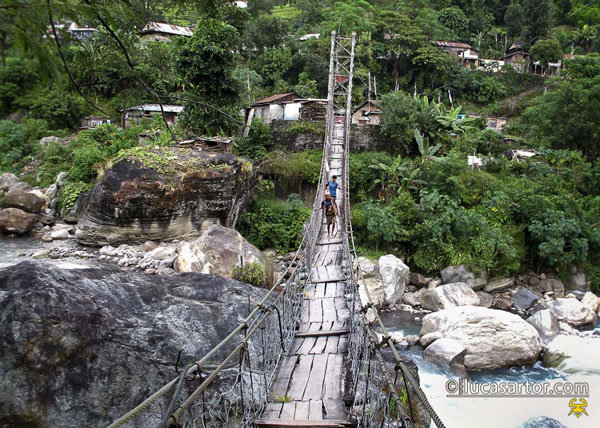
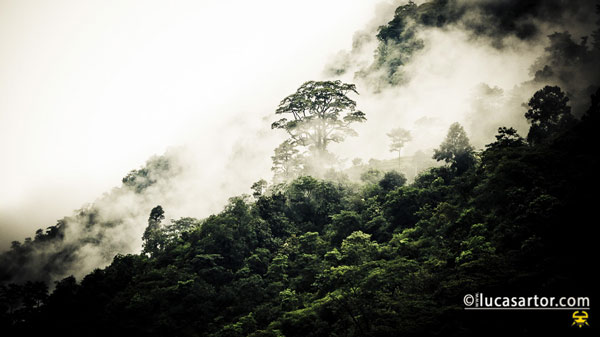
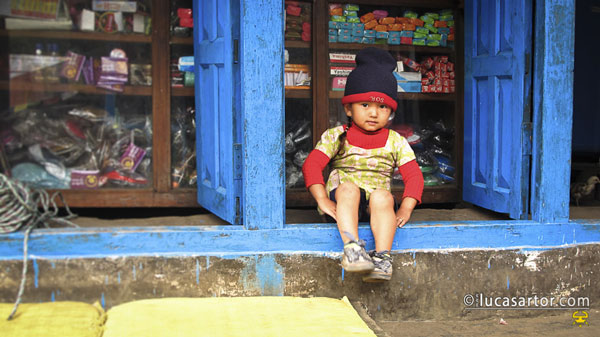
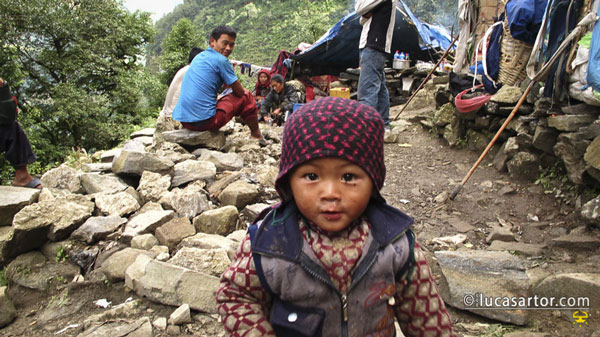
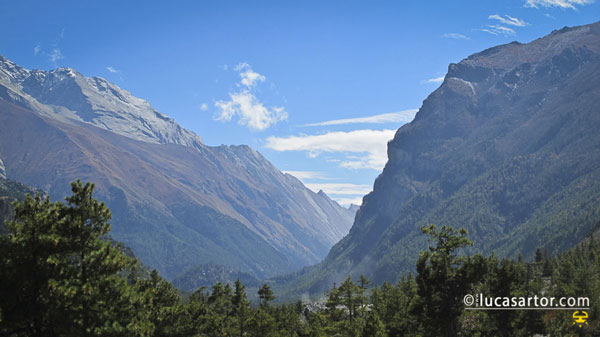
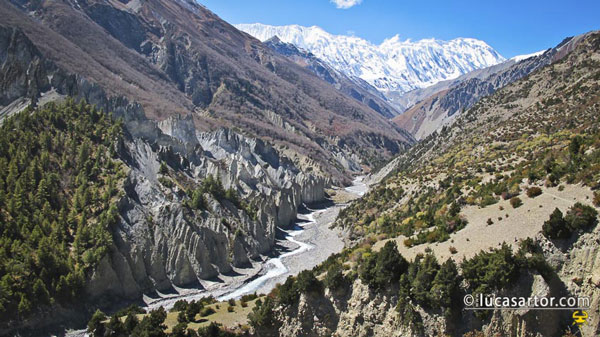
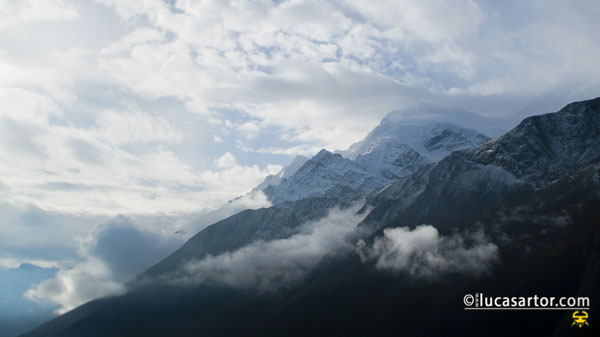
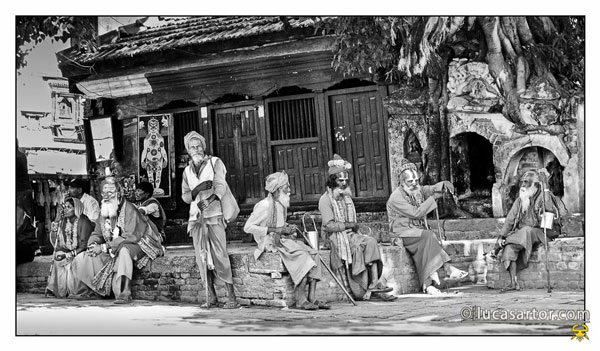
These images are a small selection from a larger archive built over years of documenting Nepal through its landscapes, communities, food culture and the details that rarely make it into guidebooks.
If your project requires imagery or destination knowledge from a specific region, subject or visual perspective, I’d be happy to discuss how I can help.
Available for travel brands
These stories, photographs and field notes are part of a wider archive built through years of living in and experiencing Asia.
I work with travel brands, tour operators, DMCs and creative teams to develop destination narratives, research and content that go beyond standard itineraries.