


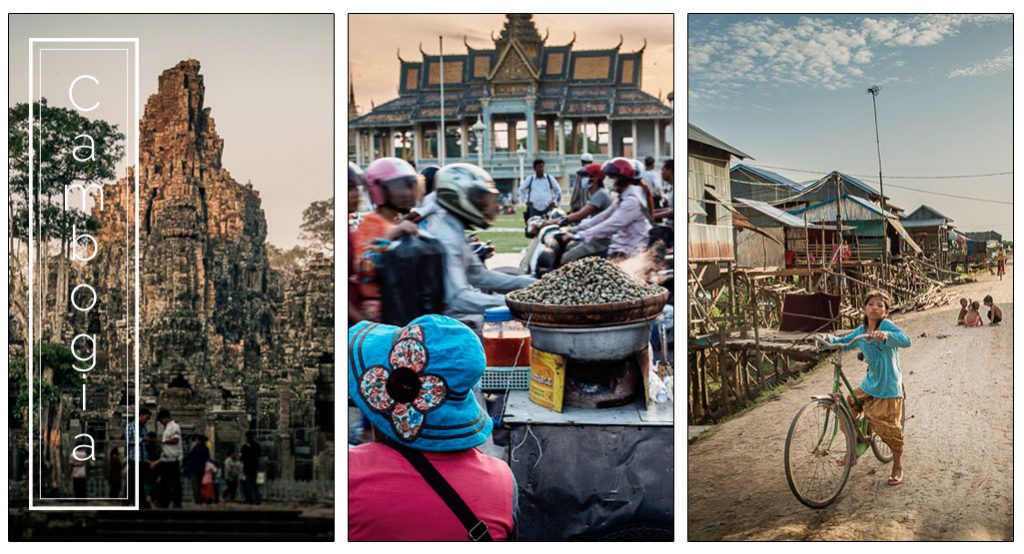
…through culture, history, food and everyday life, drawn from years of living, travelling, and experiencing this corner of Asia since 2010.
Beyond Angkor Wat: memory, dust, and silence
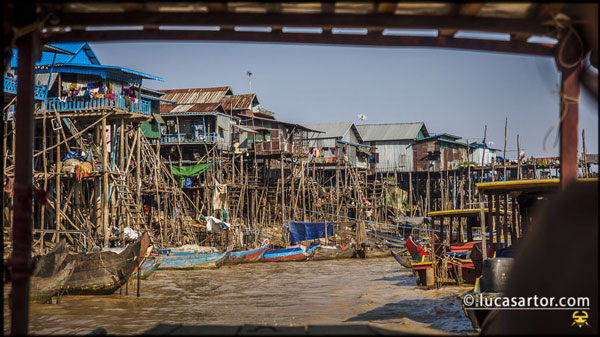
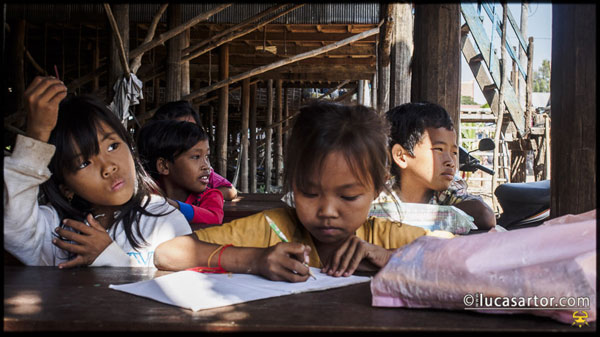
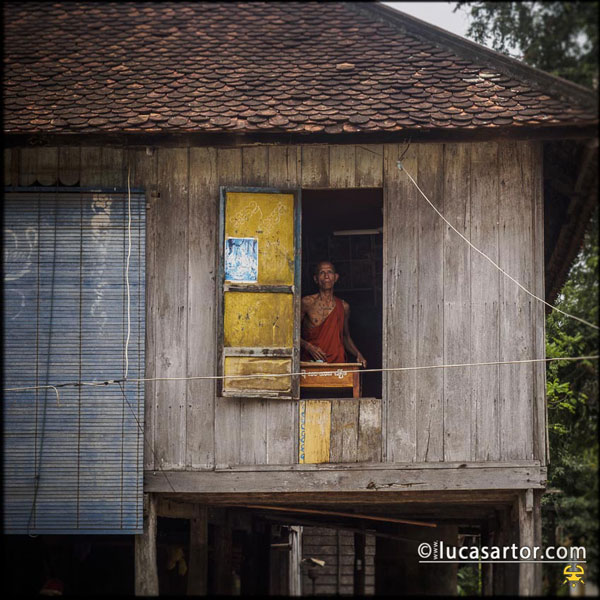
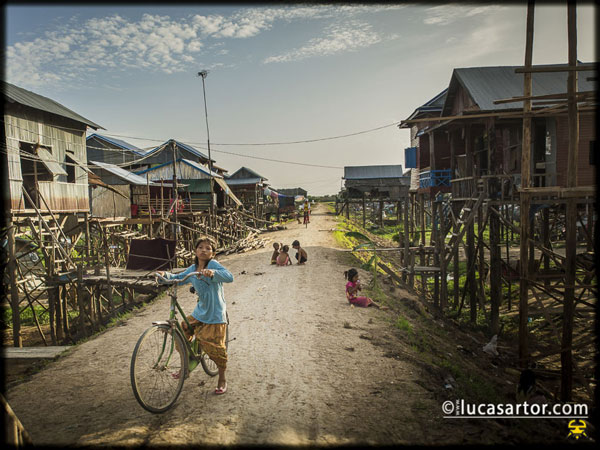
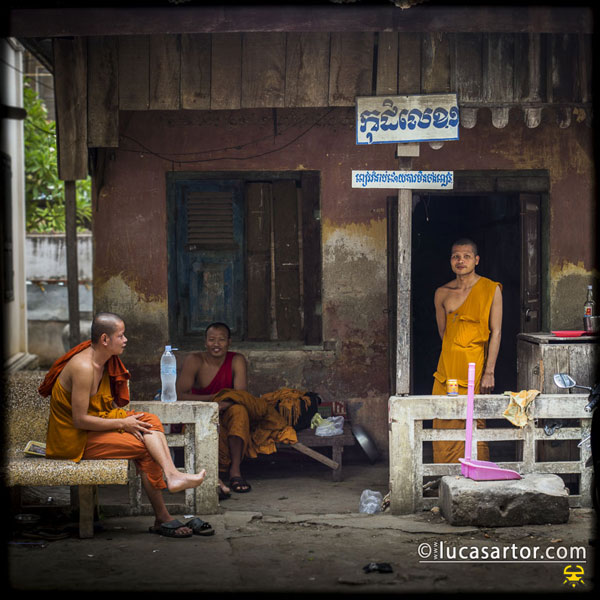
Welcome to Cambodia, a place capable of leaving a profound impression without needing to raise its voice. Here, beauty lives in the dust of the roads, among the stilt houses of the villages along the main highways, in the spirituality of the temples, and in the simplicity of daily life that flows at a different pace than ours.
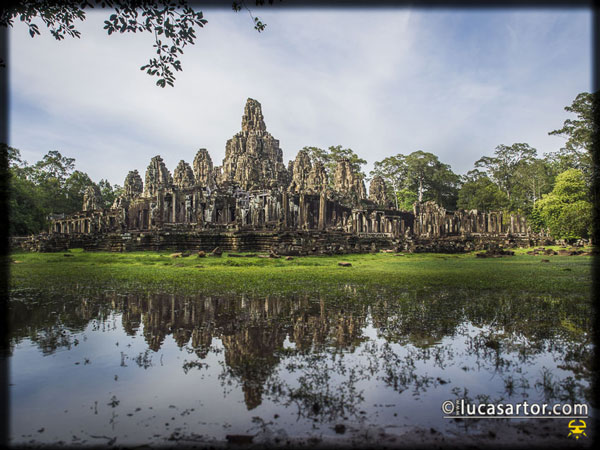
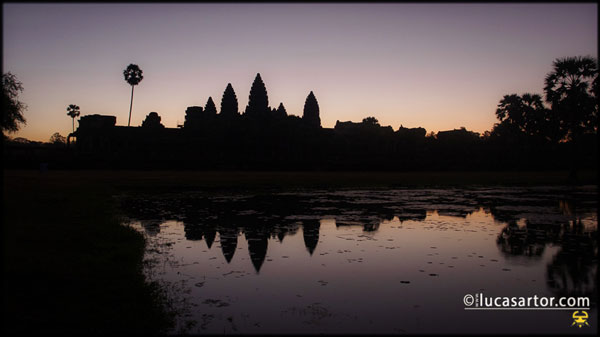
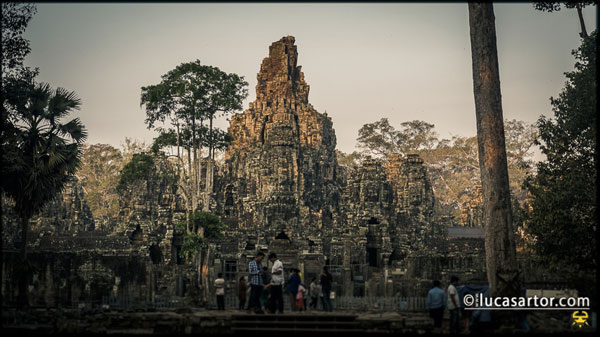
Many know Cambodia primarily for the incredible complex of Angkor Wat, a place I have visited multiple times over the years and which remains one of the most powerful symbols of traveling in this region. But this country deserves time, silence, and the desire to look beyond its most famous attraction.
Cambodia is also often a practical stopover during transit when visas in neighboring countries like Thailand or Vietnam are about to expire. But to reduce it to a mere stamp on a passport is an injustice to its soul. Recent history still bears the scars of the Khmer Rouge period and Pol Pot’s regime, a wound that has deeply marked the collective memory. Today, life is slowly trying to get back on its feet, suspended between past and modernity, with a society searching for its own balance.
The country that changes (and the one that disappears)
I remember long bus journeys on dusty roads towards the north of the country, bordering Laos, with the dust blowing in through the open windows along with the hot wind of the dry season. And my mind goes back to the small guesthouse in Siem Reap where, after a few years of absence, the owner welcomed me with a smile and a simple “Welcome back!”, as if time had never passed.
The most well-known cities are Siem Reap, the gateway to the temples of Angkor, and Phnom Penh, the capital that tells the more recent history of the country. I saw Sihanoukville many years ago, when it was still a quiet coastline dotted with wooden bungalows facing the sea. Today, the area has changed profoundly, losing part of that original charm under the weight of intense tourist and urban development.
It is a country where people maintain a great daily kindness, even if economic development hasn’t quite kept pace with other Southeast Asian neighbors like Malaysia, Thailand, and Vietnam. Crossing Cambodia means moving between memory and change, observing a country that is slowly continuing to search for its tomorrow.
Curated experiences: what not to miss in Cambodia, according to me
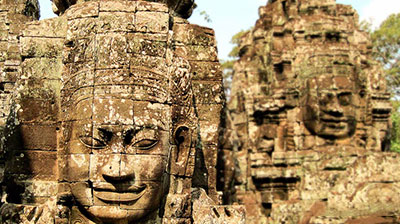
Mysteries in Stone: Explore the enigmatic temples scattered across the country, starting of course with Angkor, but also pushing towards less-beaten ruins swallowed by jungle roots. Rent a tuk-tuk in Siem Reap and let yourself be driven around for days.
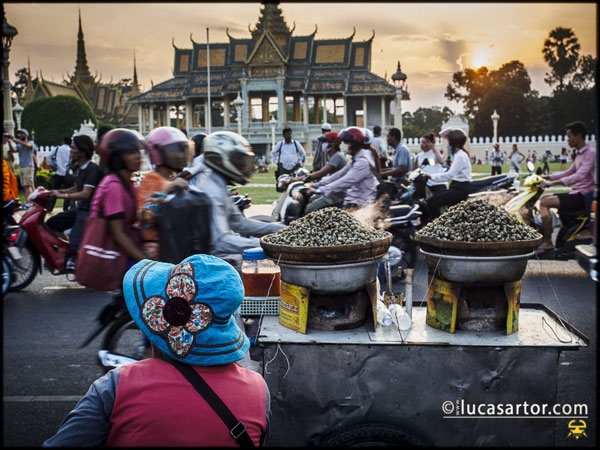
History Lessons: Learn more about the country’s recent, tragic past by visiting the museums and the killing fields in Phnom Penh (once known as the “Pearl of Asia”). It’s a tough experience, but necessary to truly understand today’s Cambodia, while simultaneously admiring the capital’s French colonial architecture.
The Scent of the South: Relax in Kampot, a riverside town with a decadent colonial atmosphere, famous for its salt pans and especially its pepper, considered among the finest in the world. Continue to Kep, a quiet town renowned for its excellent and cheap crabs.
The Dusty Frontier: Head towards Banlung, in the Northeast, near the borders with Laos and Vietnam. A dusty road will lead you to an even dustier town. Wash off the red dirt by diving into Lake Yeak Laom (a perfectly round volcanic crater lake), exploring waterfalls, rubber plantations, and ethnic minority villages.
Along the River: Stop in Kratie, on the Mekong, to spot the rare Irrawaddy dolphins and rent a bike to explore the placid river islands. And if you are heading to Vietnam, don’t miss the boat trip of a few hours on the Bassac River that will take you from Phnom Penh all the way to Chau Doc, across the border.
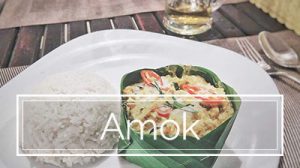
Brave Tastings: The local cuisine holds surprises. If you are adventurous, in the markets you can try fried tarantulas, snakes, and various insects… a real test for fearless travellers!
Some info about Cambodia:
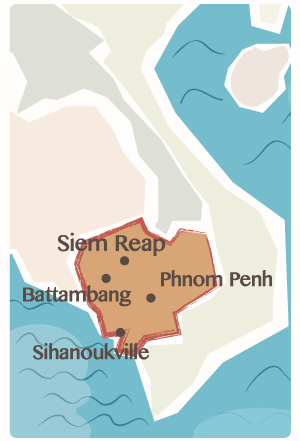
Capital of Cambodia: Phnom Penh
Population: 17 milions.
Official Language: Khmer
Local Currency: Cambodian Riel (KHR), but the US Dollar (USD) is commonly used everywhere, even though the government is increasingly pushing for digital payments in the local currency.
Calling Code of Cambodia: +855
Tourist Visa: You can easily get it upon arrival (Visa on Arrival) or by applying for an e-Visa online through the official government website before leaving, to avoid scams at land borders. It lasts 30 days and costs around $30-36 (bring crisp, new US dollar bills if you do it on arrival!), though the last time at Siem Reap airport, they accepted credit cards for payment. Your passport must have at least 6 months of validity.
Connectivity and Transport: Buying a local SIM card (like Cellcard or Smart) is incredibly easy and cheap. Wi-Fi is now available and of good quality in almost all hotels and restaurants in tourist areas.
N.B. Always check before leaving that the visa rules haven’t changed recently!
Cambodia, when to go?
The Cambodian climate is dictated by the relentless rhythm of the monsoons. Choosing when to go depends on how much you are willing to sweat… or get your boots muddy!
The Dry Season (November – April): This is the high season. From November to January, the climate is simply perfect: blue skies, clear days, and tolerable temperatures (around 30°C / 86°F), ideal for exploring the temples of Angkor without collapsing. As you approach March and April, however, the heat becomes suffocating, and the country roads kick up clouds of very fine red dust.
The Rainy Season (May – October): Don’t be scared by the word “monsoon”. Usually, these are torrential but brief downpours that hit in the afternoon. This is the period when Cambodia looks its visual best: the rice paddies turn a phosphorescent green, the air is cleared of dust, and the moats around Angkor fill with water, offering incredible reflections and far fewer crowds. The only downside? Some remote dirt roads (like those to Banlung) can turn into rivers of mud.
I wrote an article with more details about the destinations and what to visit during a trip to Cambodia: Cambodia: What to see
Cambodia, what to eat?
Cambodia: Visual Archive
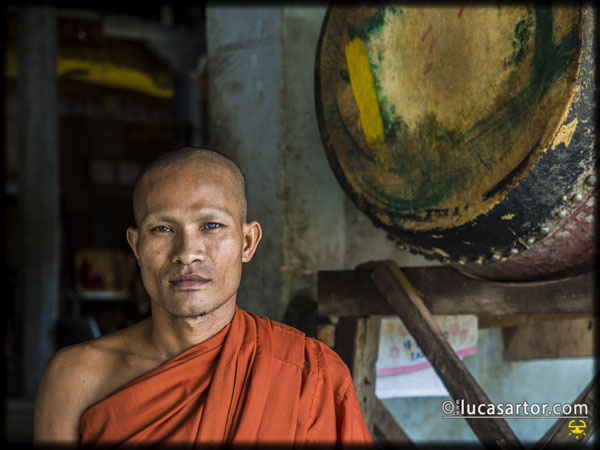
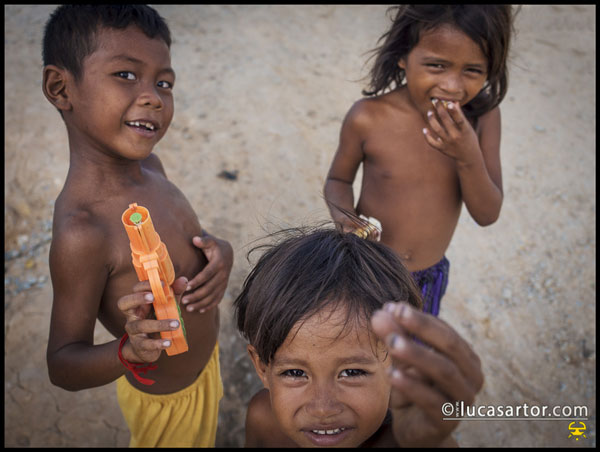
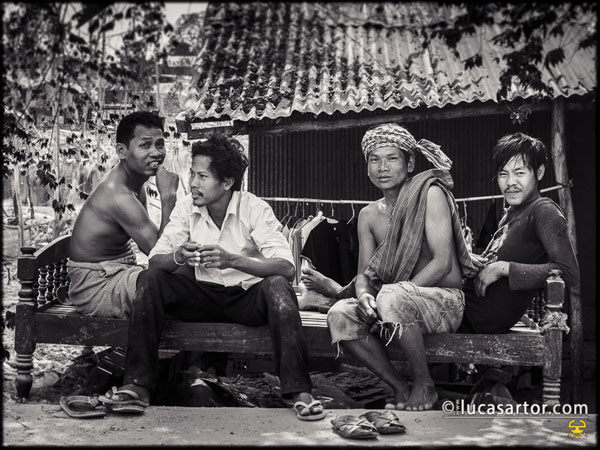
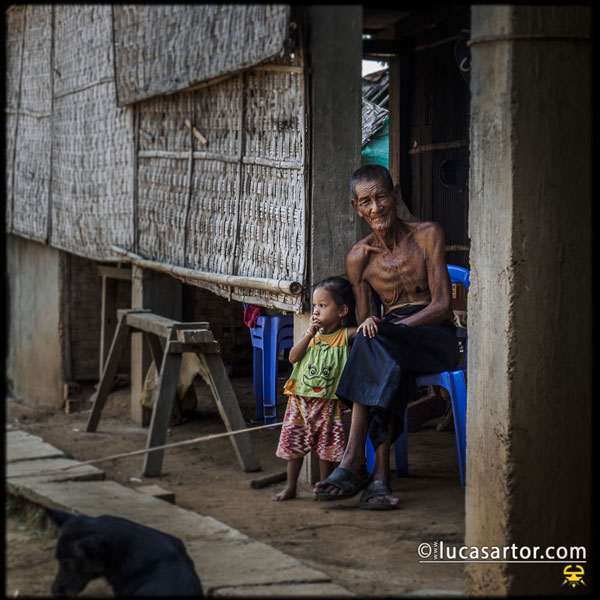
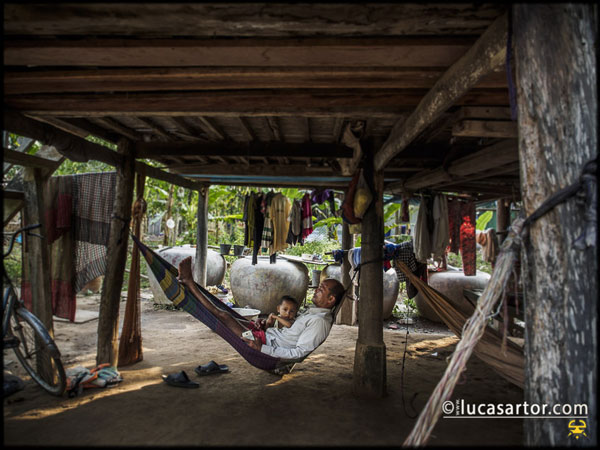
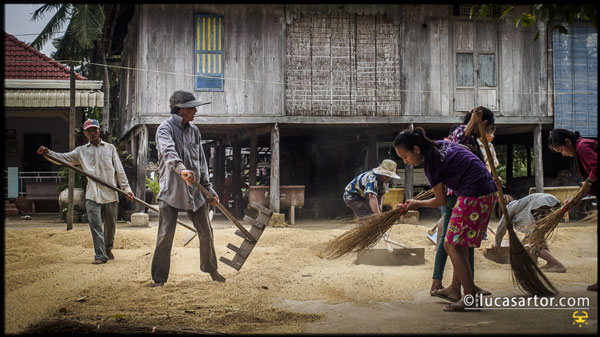
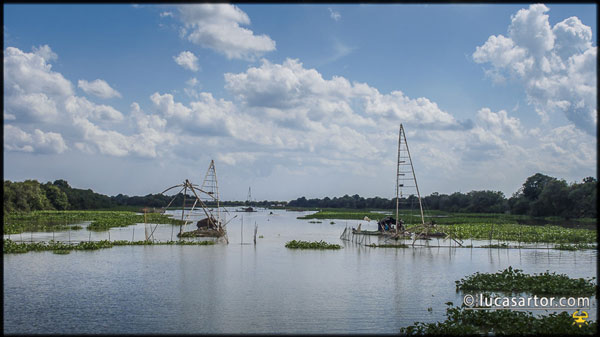
These images are a small selection from a larger archive built over years of documenting Cambodia through its landscapes, communities, food culture and the details that rarely make it into guidebooks.
If your project requires imagery or destination knowledge from a specific region, subject or visual perspective, I’d be happy to discuss how I can help.
Available for travel brands
These stories, photographs and field notes are part of a wider archive built through years of living in and experiencing Asia.
I work with travel brands, tour operators, DMCs and creative teams to develop destination narratives, research and content that go beyond standard itineraries.