


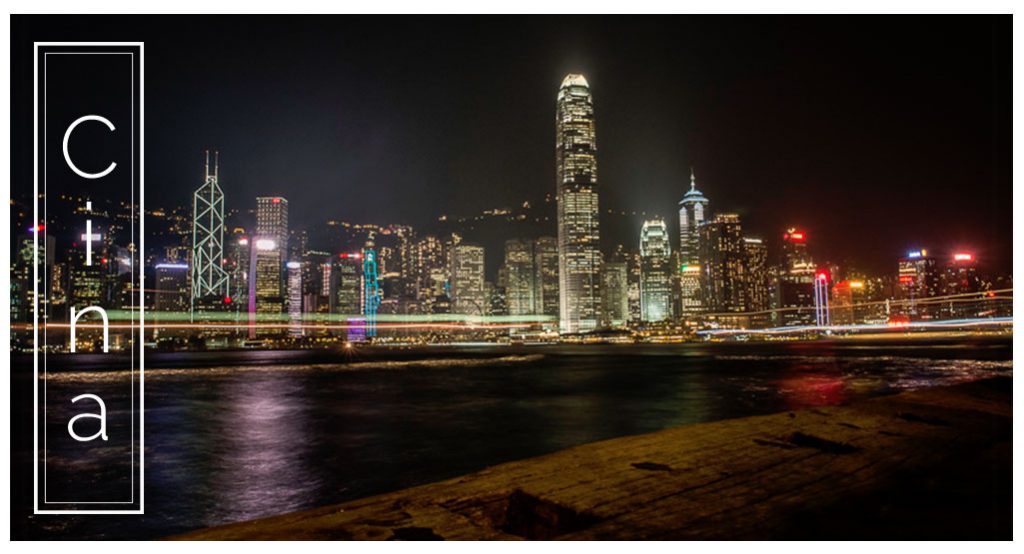
…through culture, history, food and everyday life, drawn from years of living, travelling, and experiencing this corner of Asia since 2010.
Beyond the Wall: The Impact of a New World
The first time I entered China, I had no idea what to expect. I had heard discouraging stories about visas and a country that seemed impenetrable. Then, the border opened without a hitch, and I found myself crossing from Vietnam into the Yunnan region. It was the beginning of a true enlightenment.
China is not simply another country you visit; it is a parallel universe that challenges every Western coordinate. In my years in Asia, I’ve learned that this giant has developed on its own millennium-old historical axis, with no need to mirror itself elsewhere. This is exactly what disorients you, forcing the traveller to recalibrate their own perspective.
Observing China provides an infinite wealth of experience. The differences we tend to fear transform here into a stern mirror: they force you to look at yourself without filters and become the most powerful lever for growth. The feeling wasn’t one of bewilderment, but expansion: indecipherable alphabets, new forms of art, lifestyles, and ways of thinking so different, and foods with completely new flavours. To be exposed to all of this is a true treasure.
A Mosaic of Contrasts: Between Mysticism and Verticality
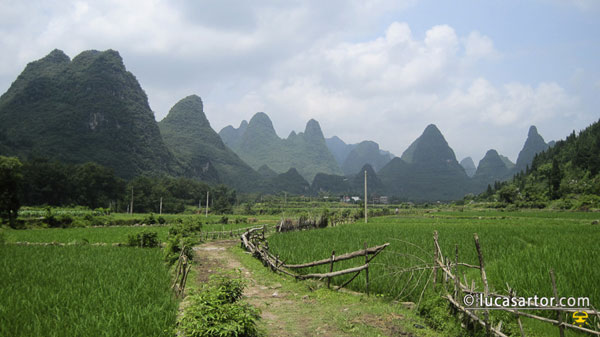
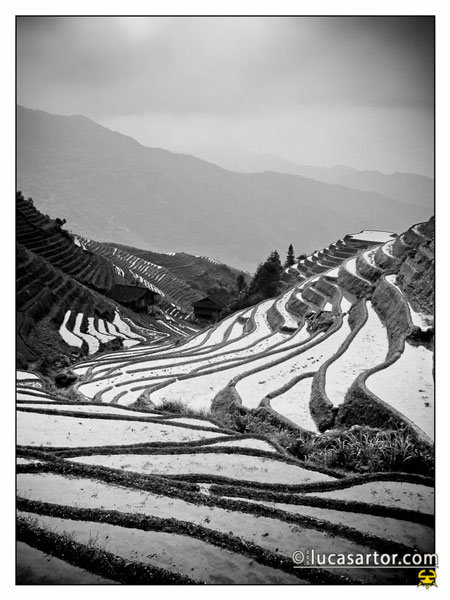
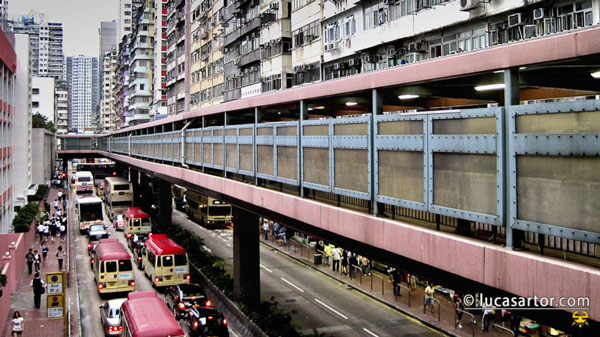
Exploring China means moving between extremes. You transition from the silence of Tibetan villages in Sichuan and Yunnan to the magnetic chaos of Beijing or Hong Kong. Then there is the China that looks like it stepped out of an ink painting: the limestone formations of Guilin, the peaks of Zhangjiajie, or the Longsheng rice terraces, which shape the mountains like a “dragon’s backbone.”
Moving through this immense space is part of the adventure: from domestic flights to legendary train rides that last for days, the journey is made of miles and wonder. China is a super-populated giant racing toward the future, becoming more modern every day, yet still harbouring corners of ancient and unexpected delicacy.
An Emotional Language: History Through People and Food
The true soul of China, however, is discovered in the less monumental details: a bike ride through the countryside of Yangshuo, watching the elderly practice Tai Chi in Beijing’s parks, or seeing a solitary kite fly against the metropolitan sky.
I have been fortunate enough to experience the hospitality of these people many times. I remember a month spent living with a dear friend’s family: to his children, I had become “Shushu” (Uncle)—a guest transformed into a part of their daily life. The culture here is as vast as the geography. My friend’s wife, a professional chef, allowed me to travel through flavours: from the delicate dishes of Guangdong and Hong Kong to the spicy fire of Sichuan.
Another indelible experience was participating in the preparations for a friend’s wedding, travelling to meet his family and announce the nuptials. It was there that I experienced true hospitality: tasting foods—some quite strange to my palate—that I enjoyed savouring with them, accepting the challenge of one more glass of their rice wine, and finally feeling not like a stranger, but like a guest at that banquet called life on planet Earth.
Curated experiences: what not to miss in China, according to me.
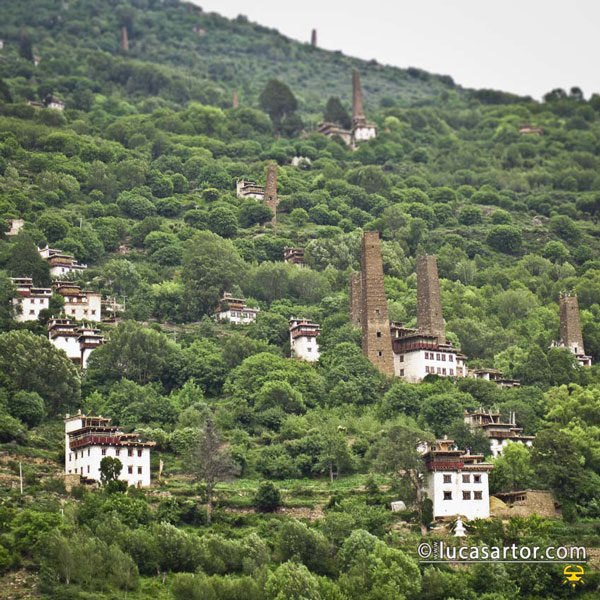
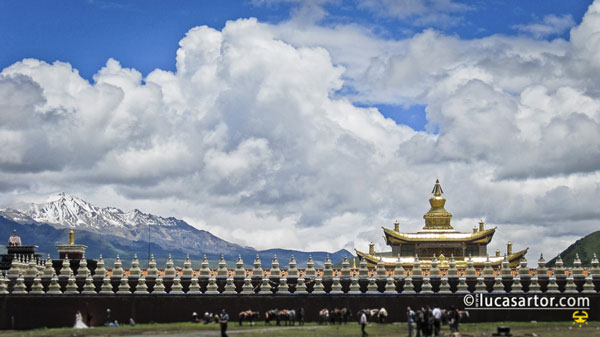
The Tibetan Echo: Visit the villages bordering Tibet in the Sichuan and Yunnan regions. Even without the special permits required for central Tibet, these areas offer a powerful and authentic atmosphere—a true glimpse into that thousand-year-old culture.
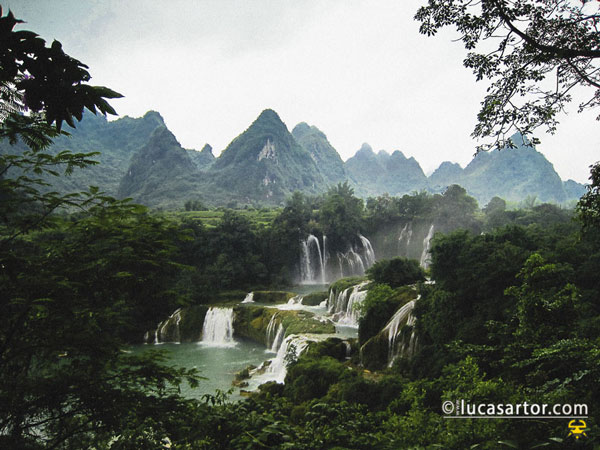
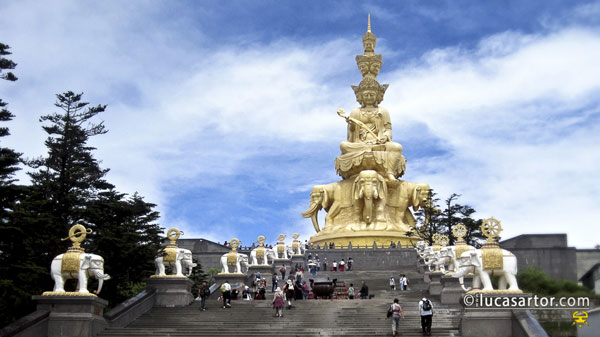
Earth’s Geometries: Get lost among natural wonders, from the Four Sacred Mountains to the breathtaking Detian Waterfalls near the Vietnam border. From the Southern rice terraces to the limestone karsts of Guilin, or the fairytale landscapes of Zhangjiajie, China’s nature looks as if it were painted by hand.
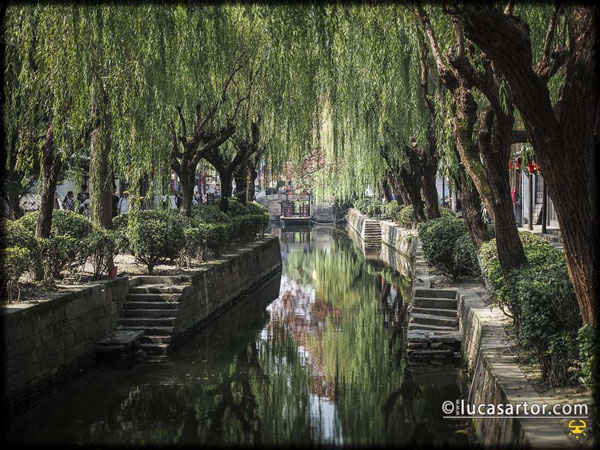
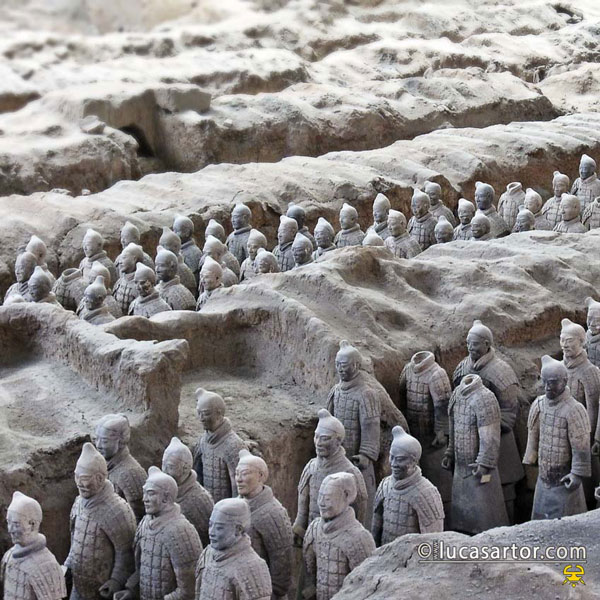
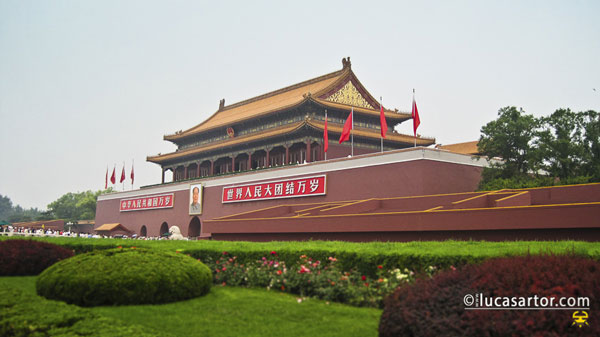
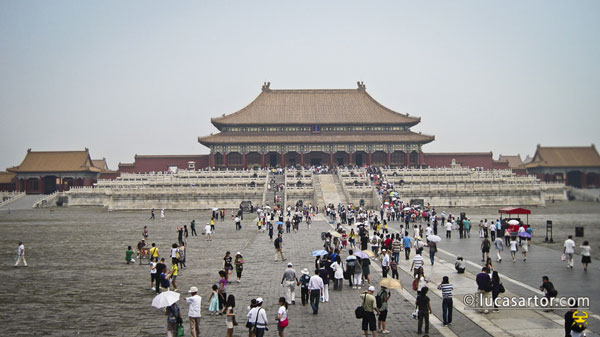
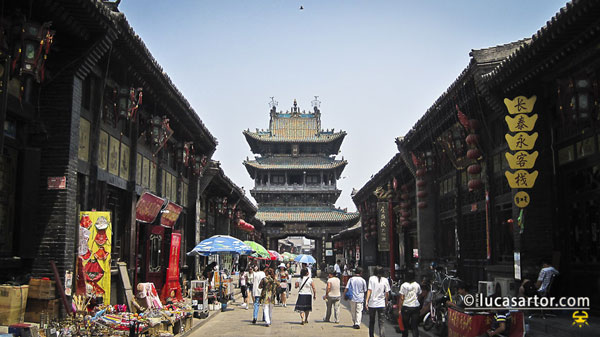
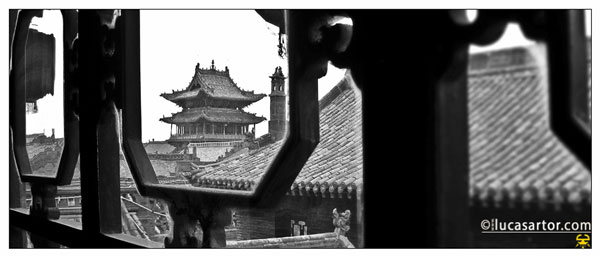
Between Past and Future: Experience the contrast between the soaring skylines of Shanghai and Hong Kong and the eternal history of Beijing, Nanjing, and Xi’An. Discover the charm of ancient water towns like Tongli or medieval villages like Pingyao, where time seems to have stood still.
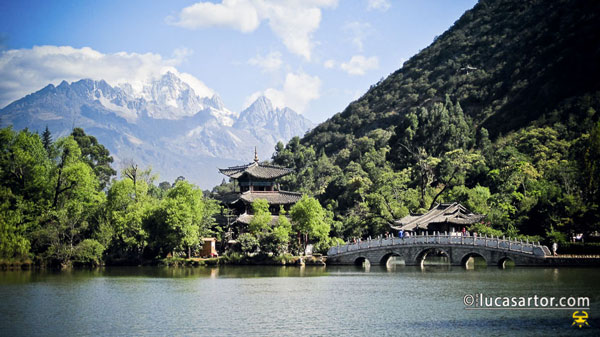
Local Fragments: A bike ride through the Yangshuo countryside or the mountains of Lijiang, a visit to the Panda Conservation Centre in Chengdu, or an evening at the enchanting Peking Opera. These are the moments where China reveals itself in its most intimate details.
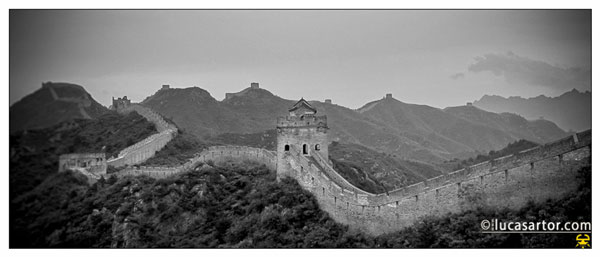
Gazing into Infinity: Take a walk along the Great Wall, watching this millenary construction disappear into the horizon. It is an experience that redefines the very concept of human limits.
My Advice: Don’t just stay on the surface. Taste every dish you encounter—Chinese cuisine is an infinite cultural treasure, worlds away from what we are used to in Italy. But above all, seek out the people: it is in a shared glass of rice wine or a smile exchanged in a park that you will find the experiences you’ll remember forever.
Some info about China:
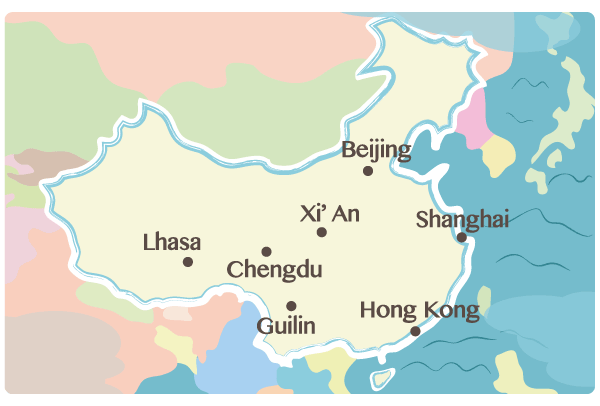
Capital of China: Beijing
Population: About 1 billion 400 million
Official language: Chinese (Mandarin) + other regional languages.
Currency: Yuan
Calling Code to China: +86
Visa: Entry requirements have seen major updates recently. Citizens of several countries now enjoy visa-free entry for short stays (usually 15 to 30 days for tourism or business). However, many other nationalities still need to apply for a visa in advance through Chinese Visa Application Centres. You will always need a passport with at least 6 months of validity.
Connectivity & VPN: Essential. Buying a local SIM (China Mobile or China Unicom) is easy with your passport, but remember that many Western sites and apps (Google, Social Media, WhatsApp) are blocked. A reliable VPN installed before you depart is your most important travel tool.
Language & Currency: The local currency is the Yuan (CNY). Cash is becoming obsolete: I highly recommend setting up Alipay or WeChat Pay, which now support foreign credit cards. The official language is Mandarin; while there is a language barrier in rural areas, translation apps and a positive attitude will open every door.
N.B. Always double-check with the official Chinese embassy in your home country before booking your trip, as visa exemption policies vary greatly by nationality and can change without notice.
China, when to go?
China is immense, encompassing drastically different climates within its borders. Choosing the right time is crucial to enjoying your trip without constantly battling the elements.
The Golden Seasons (Spring & Autumn): The months from April to May and September to October are undoubtedly the best times to visit. The temperatures are mild, the skies tend to be clearer, and the light offers the best colors for photography, from spring blooms to autumn foliage.
The Extremes (Summer & Winter): Summer brings a humid heat that can become truly oppressive almost everywhere, often accompanied by heavy rains, especially in the South. Winter, on the other hand, divides the country: while the South remains relatively tolerable, temperatures in the Center and North (like Beijing) plummet freezing cold below zero.
The Insider’s Tip: Beware of major public holidays! Can be challenging traveling during Chinese New Year (falling between late January and mid-February, dates vary annually), the first week of May (Labor Day), and the first week of October (National Day) at all costs. During Chinese New Year, you’ll witness the largest annual human migration on Earth: train tickets are impossible to find, attractions are incredibly crowded, and many shops and family-run restaurants close for the holidays. Finally, remember that global weather patterns are shifting: always pack a bit of flexibility, as seasons no longer follow strict rules.
China: Visual Archive
These images are a small selection from a larger archive built over years of documenting China through its landscapes, communities, food culture and the details that rarely make it into guidebooks.
If your project requires imagery or destination knowledge from a specific region, subject or visual perspective, I’d be happy to discuss how I can help.

Available for travel brands
These stories, photographs and field notes are part of a wider archive built through years of living in and experiencing Asia.
I work with travel brands, tour operators, DMCs and creative teams to develop destination narratives, research and content that go beyond standard itineraries.